Kevin Keegan: A Heartbeat Lost in English Football
Alan Shearer called him his hero. His manager. His friend. On Monday, English football lost Kevin Keegan – and for Newcastle United, it feels like losing a heartbeat.
Keegan’s death has drawn a wave of emotion from Tyneside to Wembley, a measure of a man who left fingerprints on every part of the English game. As a player, he was a Ballon d’Or winner and a talisman for club and country. As a manager, he became something else entirely on Tyneside: the architect of belief.
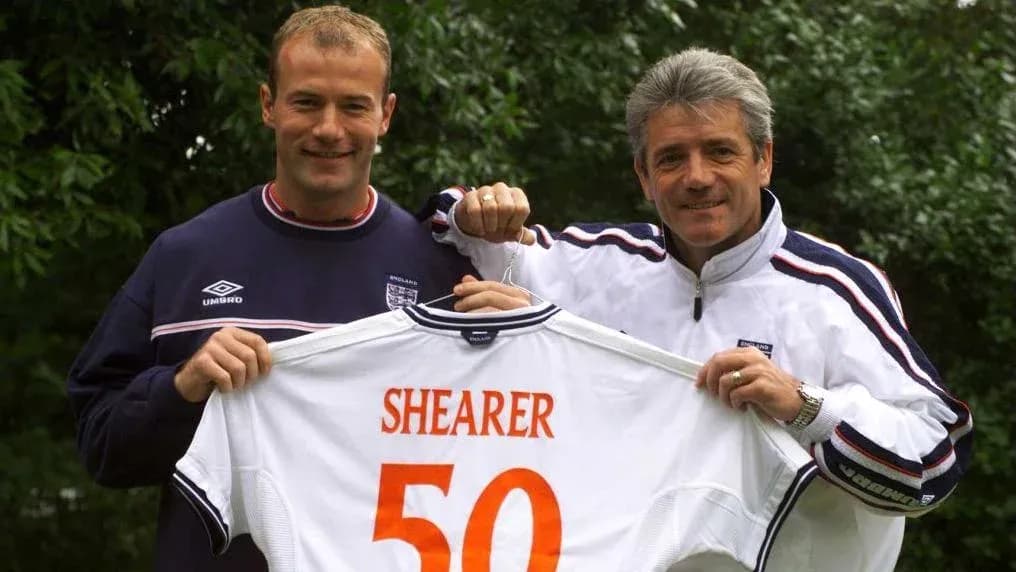
For Shearer, Newcastle’s record goalscorer and former England captain, the connection ran deep. Keegan brought him home in 1996, smashing the world transfer record to sign him for Newcastle at the height of the club’s swashbuckling “Entertainers” era. The partnership of manager and centre-forward defined a generation on Gallowgate.
“He was my hero. He was my manager. For Newcastle and England,” Shearer said, reflecting on the man who not only signed him for his boyhood club but later coached him on the international stage. The bond was personal as much as professional.
“He was my friend. A man everyone loved. For his passion. For his energy but most of all for his friendship. He loved football and he loved Newcastle more than anything. I'm so honoured to have known him. We will miss you Kevin.”
Those words cut straight to the core of what Keegan represented. Passion. Energy. An almost childlike joy for the game that never seemed to leave him, whether he was leading England out at Wembley or standing on the touchline at St James’ Park, swept up in the noise and the hope.
On Tyneside, the tributes have a different weight. For many, Keegan didn’t just manage Newcastle; he changed what the club thought it could be. BBC Radio Newcastle’s Matthew Raisbeck has described him as “one of the most significant” figures in the club’s history, a man whose arrival felt less like a job move and more like a homecoming.
Raisbeck’s tribute revisits Keegan’s upbringing and the roots of that fierce competitive streak, but it also lingers on why his spell at Newcastle resonated so deeply. The old audio from the Keegan era carries echoes of a time when the club dared to dream loudly, when the football was bold and the connection between team and city felt almost electric.
That is why the reaction has been so raw. Keegan did not simply win matches or sell tickets. He made people feel something. He made a club feel alive.
On a day of mourning, those memories – the noise, the belief, the sense of coming home – are what endure.