Kevin Keegan Reveals Stage-Four Cancer in Newcastle Appearance
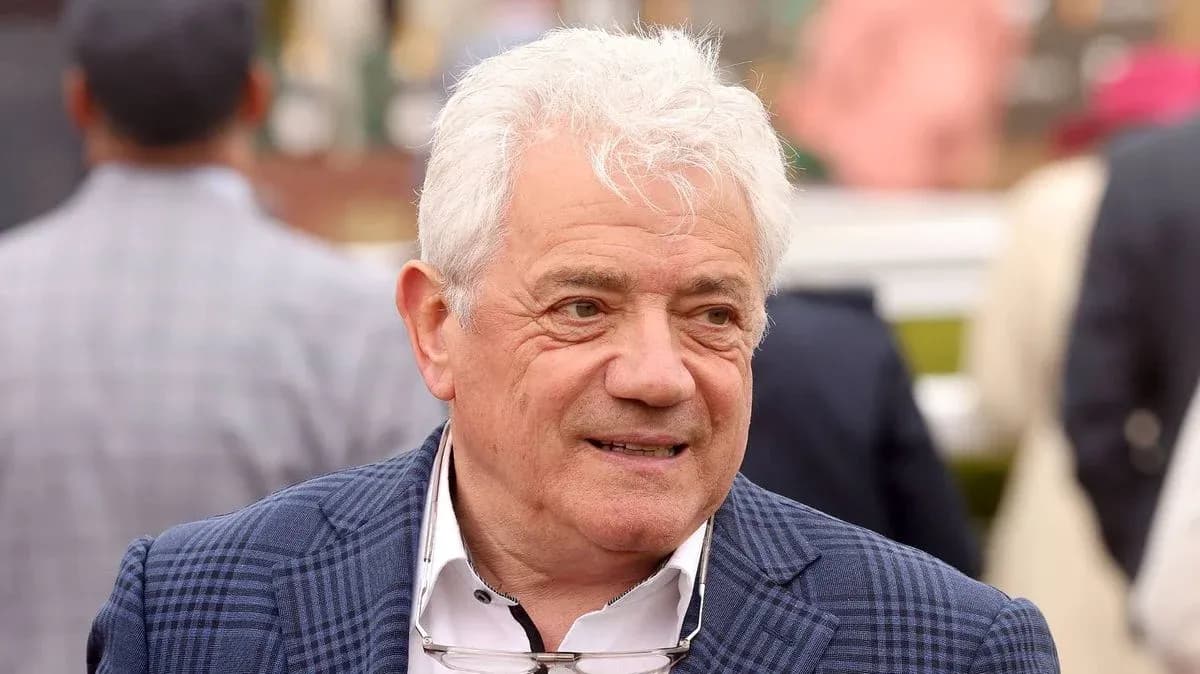
Kevin Keegan has revealed he is battling stage-four cancer, sharing the news with supporters during a poignant public appearance in Newcastle.
The former Newcastle United, Manchester City and England manager, one of English football’s most charismatic figures, spoke openly about his diagnosis on stage at the Tyne Theatre over the weekend, telling the audience he is fighting the most advanced form of the disease.
News of Keegan’s illness first emerged in January, when his family released a statement confirming he was to undergo treatment. The reaction across the game was instant and heartfelt, with messages pouring in from his former clubs and supporters who grew up on his football and his personality. Newcastle, where his name still carries a rare electricity, led the tributes by publishing that family statement and urging fans to get behind their former manager.
On Saturday night, Keegan did what he has always done best: he walked into a room full of Geordies and lit it up.
Appearing in good spirits in a short video before taking to the stage, the 75-year-old then chose to share more detail about his condition once in front of the crowd. As reported by The Mail, he explained how he was introduced to a specialist with a novel approach to treating his illness.
“They said we have a top doctor with this new way of fighting what you have got. Which is stage four cancer,” Keegan told the audience. “He was a Liverpool supporter so I went to meet him. I knew I wouldn’t be walking alone, if you know what I mean.”
Even in the heaviest of moments, Keegan leaned on humour, the same quick wit that once disarmed press rooms and dressing rooms alike. He recalled asking his doctor about his record in treating the disease, expecting reassuring numbers.
“I said: ‘Fantastic! What is your strike-rate?’ He said: ‘33 per cent’,” Keegan quipped. “Oh. I thought he might say 80, maybe 90! Anyway, I am still here at the moment…”
The line drew laughter, but it also underlined the blunt reality of what he is facing. Keegan, though, has rarely shied away from a challenge, on or off the pitch.
A Ballon d’Or winner twice over and one of the most decorated English players of his generation, Keegan starred for Liverpool and later for his beloved Newcastle as a player before returning to Tyneside in 1992 to transform the club as manager. Under his watch, “The Entertainers” came agonisingly close to winning the Premier League, playing a brand of front-foot football that still shapes how Newcastle fans see their club.
He managed Newcastle across two spells, first from 1992 to 1997 and briefly again in 2008, taking charge of 251 games and winning more than half of them. His impact, though, was always about more than numbers. He gave a city belief and a team that matched its sense of itself.
Now, as he confronts the toughest fight of his life, Keegan’s thoughts have turned back to St James’ Park and to the farewell he feels he never had.
Having left abruptly in 2008 amid acrimony with the club’s hierarchy at the time, he told the Tyne Theatre crowd he wants the chance to walk out there once more, to wave to the supporters who still sing his name.
“I want to say goodbye. I didn’t get the chance when I left the club last time,” he said.
The idea is simple but powerful: one last appearance on the pitch he helped turn into a stage for dreams, a final salute from the man who gave Newcastle some of its most vivid modern memories.
Despite his towering status, Keegan remains uncomfortable with the idea of permanent monuments. A statue at St James’ Park has often been suggested, but he was quick to bat the notion away again.
“You will have to wait until I die,” he said. “My statue is the way people receive me.”
For a generation of fans, that reception has never changed. Keegan’s football lit up their weekends, his passion mirrored their own, and his honesty – even now, in revealing a stage-four diagnosis with a joke and a shrug – is exactly what made him theirs in the first place.
If he does walk back out at St James’ Park to say goodbye, the roar that greets him will say more than any bronze figure ever could.