Kobbie Mainoo's World Cup Journey: A Teenager on the Bench
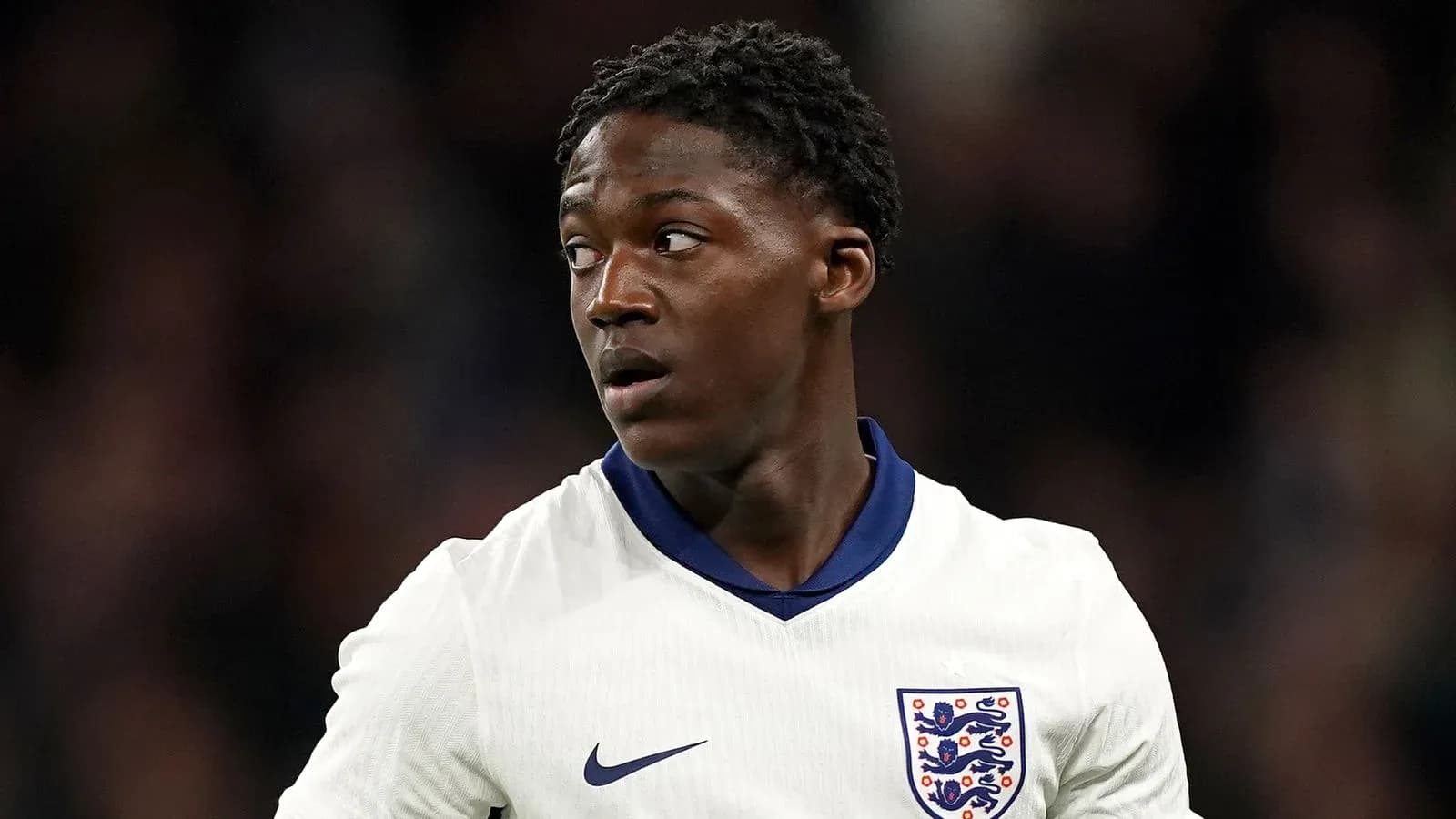
Kobbie Mainoo walks quickly. Head down, boots still half-done, straight out of the dressing room and onto the team bus. No fuss, no scene, no sulk. Just a teenager who feels a long way from the centre of a World Cup he once looked destined to own.
At this tournament he has become a familiar sight in one sense only: tracksuit on, bib off, unused. He is one of just three outfield England players not to have played a single minute. Ivan Toney and Trevoh Chalobah are the others, but their stories are different, cleaner, easier to process.
Chalobah arrived late, a replacement for the injured Tino Livramento, always knowing he was the spare part at the back. John Stones has sat ahead of him in the pecking order and on the bench. No mystery there.
Toney’s role was spelled out even more bluntly. Thomas Tuchel told him he was a “finisher”, the man for an emergency, not the man to start while Harry Kane was fit. Kane has been more than that: fully firing, six goals, and England have not gone near a penalty shoot-out. No late Toney cameo required, no broken promise.
Mainoo’s situation feels different. More complicated. More painful.
This is the midfielder who started a European Championship final for England at 18. The Manchester United prodigy who looked, just a year ago, like the future of the national team’s midfield. A boy playing like a man on the biggest stage, seemingly at the beginning of a glittering international run.
That future has not vanished. But this World Cup in the USA and Mexico has brought it to an abrupt, jarring pause. Six games, not a second of action.
The disappointment has been visible in the small details. For every match, Mainoo has been the first player out of the dressing room, the first on the bus. Often alone, drifting through the mixed zone without a word, not seeking company, not invited into it. He has not pouted or thrown glances at the cameras. He has simply looked… spare. Like a player without a role.
Circumstances seemed to open the door for him. Jordan Henderson’s tournament ended the moment he broke his wrist celebrating after the Mexico game. A senior midfield slot suddenly sat empty. If there was a moment for a young, energetic passer to step forward, this was it.
Tuchel saw it another way.
Declan Rice and Elliot Anderson have been the manager’s chosen pair, and they have largely justified that faith. Rice, the vice-captain, is inked into the team sheet whenever he can stand. Illness, knocks, fatigue – he has carried them all and stayed on the pitch. Anderson, whose move to Manchester City went through mid-tournament, has grown with each game, his performance against Norway in the quarter-final his best in an England shirt.
Then came Miami.
Rice had been floored by a Mexican stomach bug, confined to bed for three days before Norway. He could manage only 45 minutes in the oppressive heat. For Mainoo, this felt like the crack in the door he had been waiting for.
Tuchel pushed it shut.
When Rice came off, the England head coach turned not to his young specialist midfielder but to Eberechi Eze. An attacker by trade. Tuchel wanted more incision, more risk, more passing through the lines. The Arsenal man came on to tilt the game forward, to add guile rather than control.
Mainoo, watching from the bench, could only wonder. His own game is built on energy, tidiness in possession, the ability to knit play together when others begin to tire. The conditions in Miami – the heat, the humidity, the heavy legs – seemed made for exactly that profile. He stayed seated.
Then came the second twist. Midway through the second half, with the game still alive, Reece James was sent on in midfield. Not at right-back, not in his natural lane, but in the centre of the pitch, the role that might have been Mainoo’s.
James had been managing a hamstring problem, yet Tuchel trusted him in that screening role. The Chelsea defender has become one of the manager’s favoured defensive midfield options, a tactical plug that can be moved around the board. For England, as for his club, his defined position is right-back. Tuchel chose him in the middle anyway.
When Ezri Konsa, deputising at right-back, cramped up and had to come off, the reshuffle seemed to be writing a different ending. James slid back into defence. A midfield slot opened again. Mainoo stood, metaphorically if not literally, on the threshold.
Again, Tuchel looked elsewhere. Morgan Rogers came on. Eze drifted out to the left wing. Mainoo stayed where he has been all tournament: on the periphery.
Harsh? Absolutely. Illogical? Not entirely.
Tuchel’s decisions have followed a clear line: experience, versatility, players he trusts in multiple zones under pressure. James offers defensive security and tactical flexibility. Eze brings a creative spark that can change a knockout tie in a single moment. Rogers adds legs and directness. In the ruthless mathematics of tournament football, the manager has backed those qualities over the promise of a teenager still learning the rhythms of the international game.
For Mainoo, that truth stings. This is not a case of a youngster failing to impress in training or acting out in frustration. By all accounts, he has kept his head down, worked, waited. The opportunities simply have not come.
And yet Tuchel is two wins from the ultimate prize. The cold reality of World Cup management is that sentiment does not get a vote. If the head coach believes that bending his system to accommodate a rising star weakens his chances, the rising star sits. However bright the talent, however loud the calls from outside.
So Mainoo waits. Still 19, still a Manchester United midfielder who has already started a major final for his country, still widely regarded as one of England’s most gifted young players. This World Cup may end for him without a single step onto the pitch, without a moment to cling to.
It is a brutal lesson in timing and trust. And as Tuchel drives on towards a potential World Cup crown, Mainoo can only ask himself the question that will define his next chapter: when the next tournament comes around, will he still be the one walking alone to the bus, or the one walking out into the noise?