Lazio Ends Polymarket Sponsorship After Regulatory Hurdles
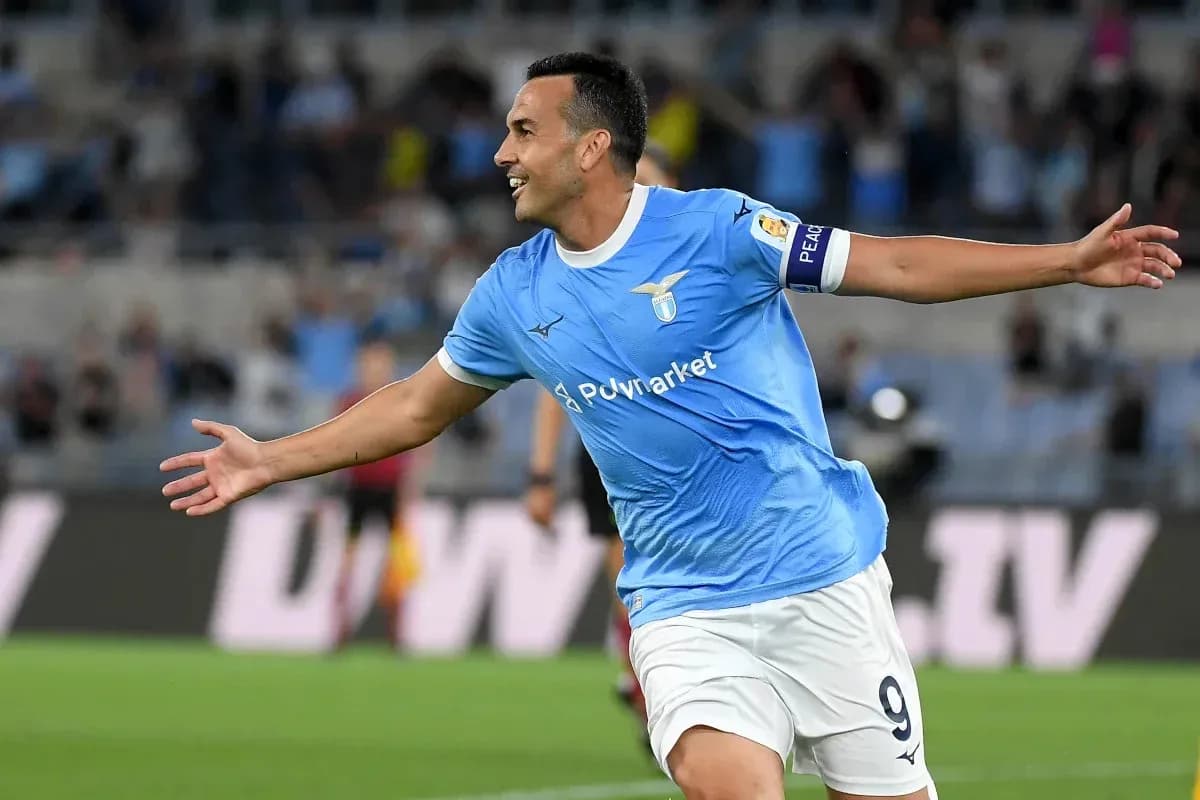
Lazio’s latest attempt to close the commercial gap on Serie A’s elite has lasted barely a few months. The club confirmed that its €19 million agreement with Polymarket has been torn up by mutual consent after Italian authorities ruled the platform illegal in the country.
For a club that went an entire season without a main shirt sponsor, the April 2026 deal with Polymarket had looked like a long-awaited breakthrough. Two years guaranteed, an option for 2028-29, and the kind of money that helps bridge the distance to the division’s biggest earners.
Then the regulators stepped in.
From prediction market to banned betting site
Polymarket had tried to present itself as a prediction market, a place where users exchange odds and information rather than simply place wagers in the traditional sense. That distinction mattered, because Italy’s laws on gambling advertising are among the strictest in Europe.
The Customs and Monopolies Agency (ADM) was unmoved. It classified Polymarket as a betting site, not a neutral marketplace. With that label came a hard stop: access to the platform was blocked from within Italy.
Once that decision landed and Polymarket’s appeal failed, Lazio’s position became untenable. An official sponsor that Italian fans could not legally access and that fell foul of domestic advertising rules was never going to survive scrutiny. The club, already walking a tightrope between commercial ambition and regulatory reality, had to step away.
A clean break – with the money intact
Lazio’s statement framed the separation as orderly and respectful, stressing “mutual cooperation” and the need to adapt to “new measures” from the authorities. The key line for the balance sheet, though, was buried in the middle: as part of the settlement, Polymarket will still pay the full amount due for the 2026/27 season.
In practical terms, Lazio lose the logo but keep the cash for one crucial year.
For a club still chasing Champions League qualification and trying to refresh its squad, that matters. Shirt deals in Serie A do not often touch the upper reaches of Premier League money, so a €19m package was already significant. Securing the 2026/27 payment softens the blow of losing the longer-term upside.
The club also made a point of underlining that “mutual respect and cooperation” remain intact and that both parties would “look favourably” on working together again if the regulatory framework ever changes. That is a big if. For now, Italy’s stance on gambling-linked advertising shows no sign of loosening.
Back to square one on the shirt
The optics are awkward. Lazio had already stood out last season as the only Serie A side without a main shirt sponsor, a rare sight in a league where every inch of fabric is usually monetised. The Polymarket deal was supposed to end that anomaly and project a more modern, commercially aggressive image.
Instead, the club find themselves back in familiar territory: a prestigious jersey, a global fanbase, and an empty space on the chest.
In a market where crypto firms, betting companies and emerging tech platforms have flooded into football sponsorship, Lazio’s experience is a sharp reminder that not every lucrative offer survives the legal filter. Italian law, especially around gambling, remains a hard boundary. Clubs who try to push up against it do so at their own risk.
Lazio now have money in hand for one season and time on the clock to find a new partner. The question is whether they can secure a deal of similar value that also fits neatly inside Italy’s regulatory lines—or whether the Stadio Olimpico will again play host to a big club wearing a surprisingly bare shirt.