Lazio vs Pisa: Serie A Final Round Analysis
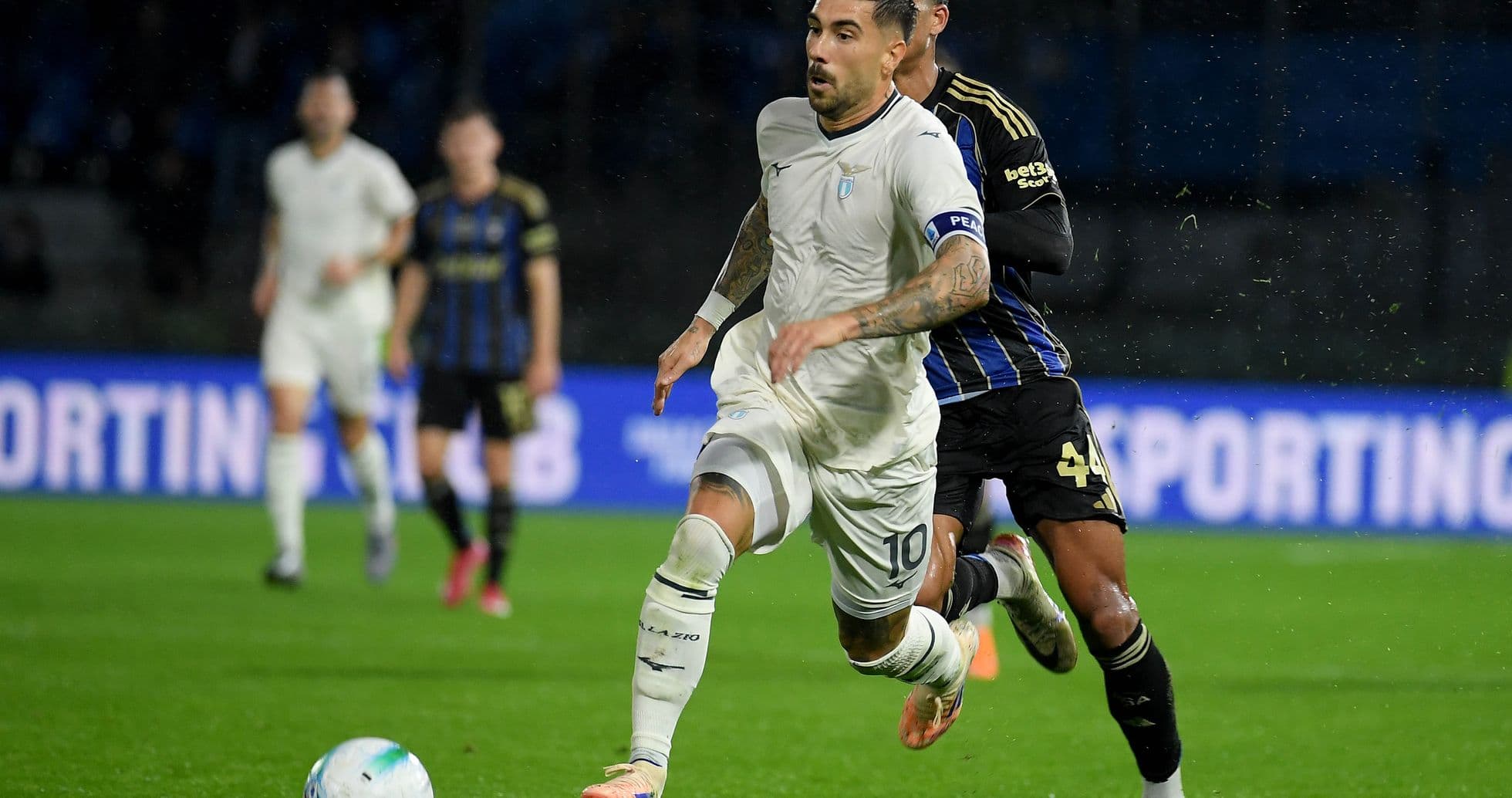
Lazio host Pisa at Stadio Olimpico in Rome in the final round of Serie A in 2026, a low-stakes game for mid-table Lazio but a symbolic end to a grim campaign for already-doomed Pisa, who sit bottom and are confirmed for relegation to Serie B. In the league phase, Lazio are 9th with 51 points from 37 matches, perfectly balanced at 39 goals scored and 39 conceded, while Pisa are 20th with 18 points, having scored 25 and conceded 69.
Head-to-Head Tactical Summary
The only recent meeting in the data between these sides came on 30 October 2025 in Serie A Round 9 at Arena Garibaldi - Stadio Romeo Anconetani in Pisa, and finished 0-0. The half-time score was also 0-0. That match profile points to Lazio struggling to break down Pisa away from home despite their superior quality, and Pisa showing they can compact the game and protect their box when required.
Global Season Picture
- League Phase Performance:
Lazio: In the league phase, Lazio’s profile is that of a mid-table, balanced side: 13 wins, 12 draws, 12 losses from 37 games, with 39 goals for and 39 against. At home they have 7 wins, 6 draws, 5 losses, scoring 25 and conceding 24, underlining how often matches at Stadio Olimpico are tight on the scoreline.
Pisa: In the league phase, Pisa’s numbers are those of a relegated side with structural issues: 2 wins, 12 draws, 23 defeats, only 25 goals scored and 69 conceded. Away from home they have 0 wins, 8 draws, 10 losses, with 16 goals scored and 43 conceded, underlining a fragile defense (43 goals against) and a limited attack (16 goals for) on the road. - Season Metrics:
Scope detection shows team_statistics and standings both at 37 games, so these are also in the league phase.
Lazio: Lazio average 1.1 goals scored and 1.1 conceded per match in the league phase, reflecting a balanced but not especially explosive attack and a defense that is solid rather than dominant (goals for 39, goals against 39). They have kept 15 clean sheets, but also failed to score in 17 matches, suggesting a streaky, low-margin game model. Their disciplinary profile shows late yellow and red cards concentrated in the final quarter of games (for example, 26.32% of yellows between 76–90 minutes and 55.56% of reds in the same range), which can disrupt closing phases of matches.
Pisa: Pisa’s league-phase averages are 0.7 goals scored and 1.9 conceded per match, pointing to a blunt attack and a porous defense (25 for, 69 against). They have only 5 clean sheets and failed to score in 21 games, underlining how rarely they control territory or chance volume. Their card distribution is also weighted towards the final 15 minutes (25.97% of yellows between 76–90 minutes), which often compounds late-game collapses. - Form Trajectory:
Lazio: In the league phase, Lazio’s recent form string of "LLWDW" indicates inconsistency but with some resilience: two consecutive losses, followed by a win, a draw, and another win. That pattern fits a side oscillating between European-chasing performances and mid-table lapses.
Pisa: Pisa’s form string of "LLLLL" in the league phase signals a side in free fall, with five straight defeats and no late-season response to the threat of relegation. Combined with their goal difference of -44, this suggests confidence and structure have both eroded.
Tactical Efficiency
With no explicit Attack/Defense Index or xG values available in the comparison block, we infer tactical efficiency from league-phase outputs and team_statistics volume patterns.
Lazio’s league-phase averages of 1.1 goals for and 1.1 against, plus 15 clean sheets, point to a control-oriented side that can protect its box but often lacks cutting edge in the final third, especially given 17 matches without scoring. Their frequent use of a 4-3-3 formation (35 matches) hints at a structure that prioritizes width and midfield stability over overloading the box, which explains why they can keep games tight but do not consistently turn territorial advantage into goals.
Pisa’s league-phase averages of 0.7 goals scored and 1.9 conceded, together with only 5 clean sheets and 21 games without scoring, indicate very low tactical efficiency at both ends. Their rotation through multiple back-three-based systems (3-5-2, 3-4-2-1, 3-4-1-2, 3-4-3, 3-5-1-1) suggests the staff have searched for solutions without finding a stable platform. The defense concedes heavily, especially away (43 goals), while the attack rarely generates enough volume to compensate.
In this context, Lazio’s structural solidity and Pisa’s chronic defensive issues mean the home side are tactically better equipped to control the match and limit risk, while Pisa are reliant on low-block resilience and set-piece efficiency to recreate the 0-0 they achieved at home in October 2025.
The Verdict: Seasonal Impact
For Lazio, this final-day match is about marginal gains rather than transformative stakes. A win would likely cement a top-half finish and could edge them closer to the European places if other results align, but from 9th with 51 points and a neutral goal difference, their main seasonal narrative is consolidation rather than a late surge into the top four. Dropped points, however, would underline their inconsistency and could see them slide a place or two, affecting prize money and the perception of progress heading into 2027.
For Pisa, already 20th on 18 points with a -44 goal difference and tagged for relegation to Serie B in the league phase, the result will not change their fate but can shape the tone of their rebuild. A heavy defeat would confirm the gap to Serie A level and reinforce the need for a major defensive overhaul. A competitive performance or a draw, especially away where they have not won all season, would offer a small psychological platform and a tactical reference for how they might organize in Serie B.
Overall, the seasonal impact is asymmetric: for Lazio, it is about securing a respectable final ranking and validating their balanced but limited statistical profile; for Pisa, it is the last data point in a season that already demands structural change, with this match more about future planning than immediate league consequences.