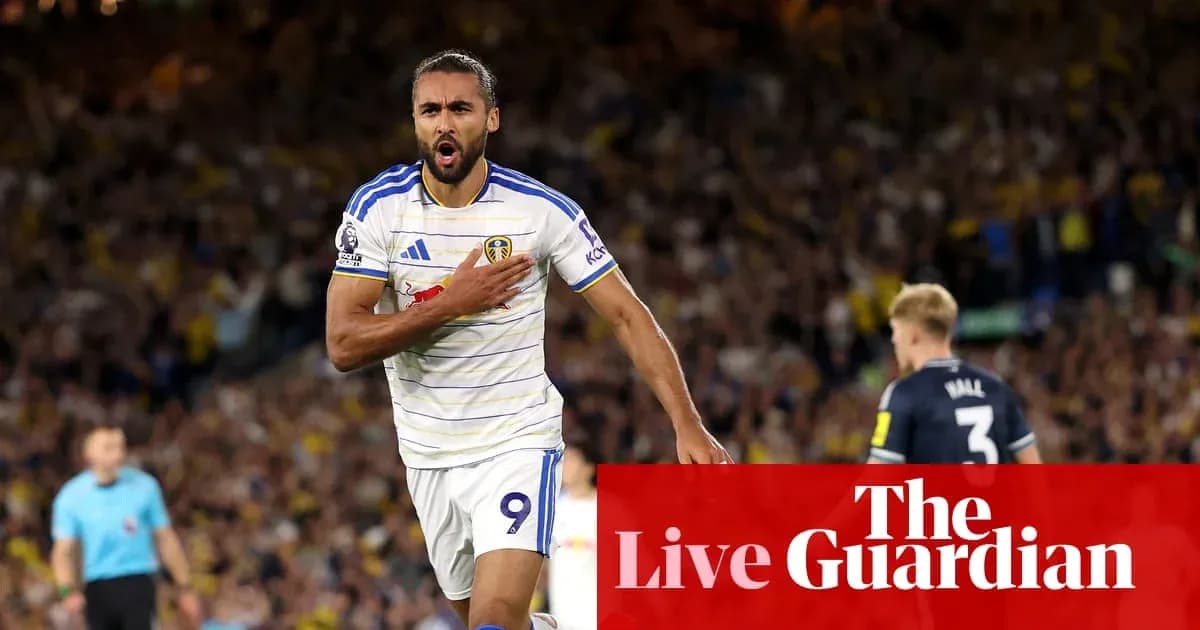
Leeds vs Newcastle: A Historic Clash at Elland Road
Elland Road crackled long before a ball was kicked. Leeds v Newcastle might not sit in the gilded tier of English football rivalries, but under the lights, in this old bear-pit, it carries its own weight in history and noise.
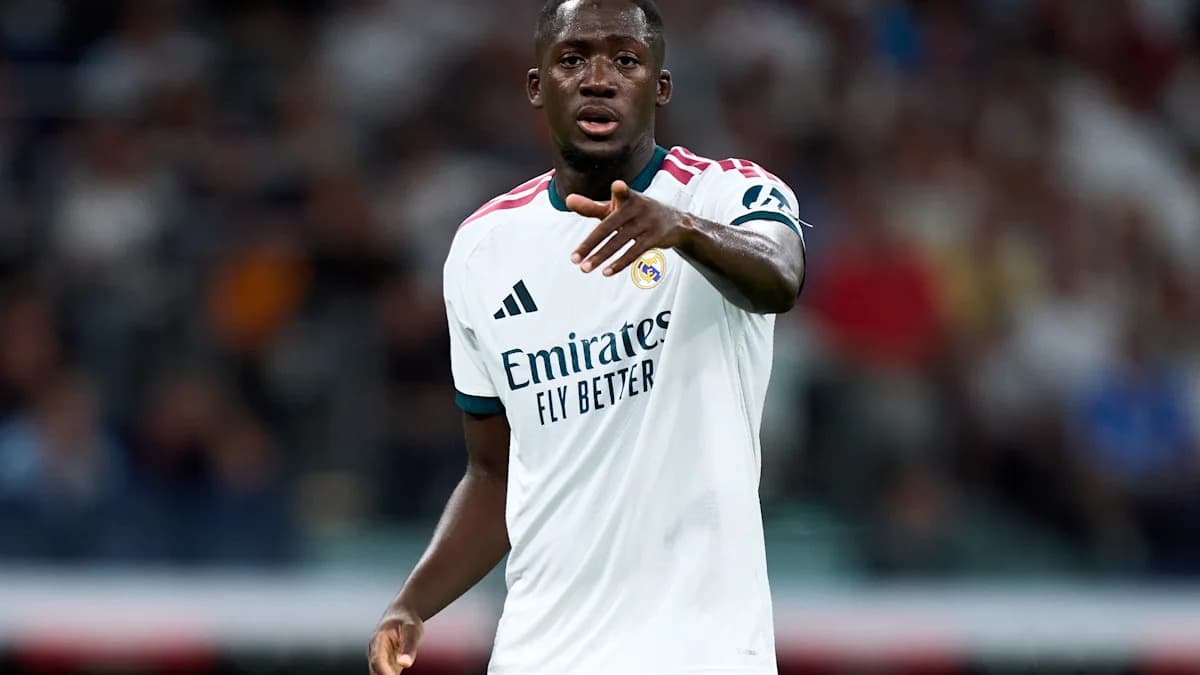
Leeds came into the night unchanged from their 1-1 draw with Brighton, Daniel Farke trusting the same XI despite a chaotic 6-3 defeat at Chelsea in the Rumbelows Cup. James Trafford kept his place in goal, shielded by a back three of Ricardo Pereira Justin, Nico Elvedi and Tarik Muharemović. Out wide, Jayden Bogle and Jóhann Berg Gudmundsson were handed licence to fly, with Ethan Ampadu and Ao Tanaka anchoring midfield. Anton Stach and Noah Okafor buzzed behind Dominic Calvert-Lewin in a 3-4-2-1 that screamed intent.
Newcastle arrived as a club in transition that doesn’t look like one. Matthias Jaissle has already reshaped Eddie Howe’s legacy without tearing it up. Out went key figures in the summer – the captain, the best midfielder, another first-choice midfielder, the standout attacker – and yet the side look sharper, leaner, more dangerous.
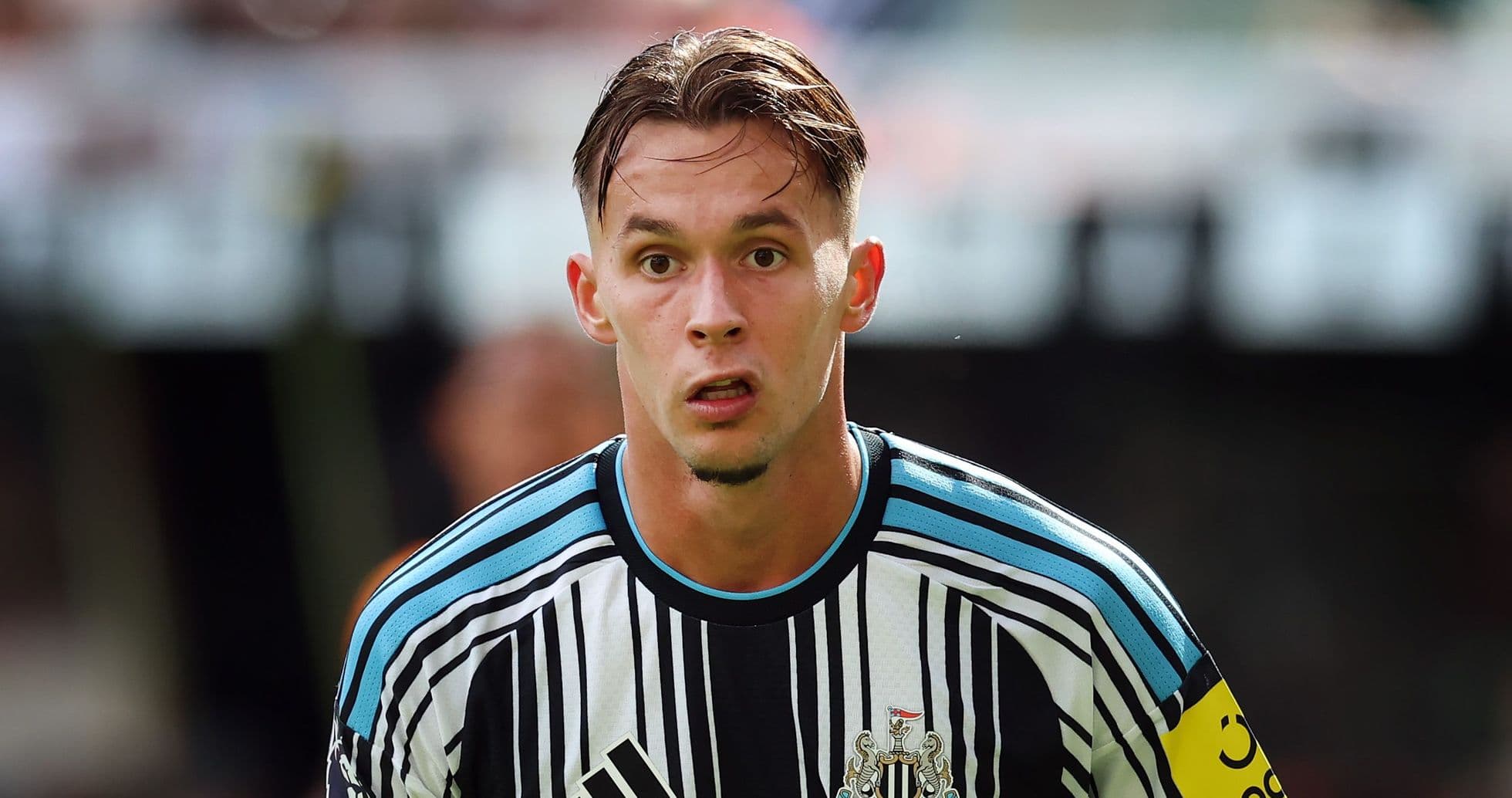
At Elland Road, Jaissle tweaked his front line. Two of the front four who started their last league game made way: Anthony Elanga missed out through injury, Joe Willock dropped to the bench. In came Jacob Murphy and Matias Fernandez-Pardo, the latter handed his first start for the club. Behind them, the structure remained familiar: Martin Hornicek in goal; Amar Dedic, Malick Thiaw, Sven Botman and Lewis Hall across the back; Nico González and Lewis Miley patrolling midfield; Yoane Wissa and Harvey Barnes supporting Fernandez-Pardo as the nominal No 9. On the bench, another curiosity: Mason Miley, brother of Lewis, waiting for a chance.
Farke knew exactly what he wanted from his side. Leeds were set up to attack down the flanks, their wing-backs pushed high and wide, protected by three centre-backs and a double pivot. Okafor, starting from deeper, was primed to dart beyond the last line, hard to track without a designated marker. Stach would drop in to overload midfield, slip passes into Okafor and Calvert-Lewin, and feed those wing-backs for front-post crosses and cut-backs.
Newcastle’s plan was more subtle. They would look to get at Leeds down the sides of the outside centre-backs and in behind the wing-backs – the standard route against a back three. Hall could invert into midfield to help with the numbers game, Wissa would drift up alongside Fernandez-Pardo to pin the Leeds defence, and Lewis Miley would time his runs to crash the box. The idea was clear: survive the early storm, then take control of the middle.
When the whistle went, chaos followed.
Within a minute, Leeds were in behind. A ball dropped into the inside-right channel for Stach, who probably should have taken on the shot. He chose to cross instead, and Newcastle scrambled it behind for an early corner. Elland Road roared. Leeds smelled blood.
From that corner, Newcastle tried to break but were dragged into controversy. As Fernandez-Pardo attempted to carry the ball away, it bounced awkwardly off the turf on the edge of the box and clipped his hand. Leeds appealed for a penalty, arms thrown up in unison. Referee Adam Herczeg waved play on. The officials agreed it was accidental; the ball had simply kicked up off the turn.
The home crowd didn’t buy it. Nor did everyone in the commentary box. Don Goodman noted that Fernandez-Pardo’s arm was raised at chest height – not above his head, but not tight to his body either – and called it marginal. The counter-argument was simple: he was running, using his arms naturally, and the deflection from the ground made it harsh to punish. The decision stood. No penalty. The temperature rose another notch.
Leeds refused to be distracted. They played with a terrific energy, the game frantic, almost shapeless, but pulsing to their rhythm. Okafor repeatedly tore down the left, testing Dedic and Thiaw. One surge ended with a cut-back to Stach, who rolled the ball to Ampadu. The Leeds captain hurled himself into a full-blooded strike that was heading on target before smashing into Calvert-Lewin, stood in an offside position. Hornicek had flung himself anyway and looked set to save, but the ricochet killed the move.
Newcastle tried to breathe. At 9 minutes, they slowed the tempo, knocking the ball around the back, looking to take the sting out of Leeds’ press. It didn’t last. Leeds snapped at their heels, forced them back to Hornicek, who had no choice but to launch long.
The game didn’t just have intensity; it had jeopardy. At 5 minutes, Wissa chased down a dawdling Trafford, blocking his clearance and sending the ball looping dangerously. It reared up and away to safety, and Leeds broke instantly down the left. Gudmundsson drove into the box and fired a square ball across goal. It slammed straight into Gonzalez’s face. Elland Road howled for another penalty, misreading Herczeg’s whistle. The referee had stopped play so the dazed midfielder could receive treatment, not to award a spot-kick. Gonzalez eventually got to his feet and carried on “looking OK for a bloke who’s just had his bell rung”, as the commentary had it.
The pattern hardened. Leeds went wide and early, Tanaka and Ampadu fizzing passes into the channels, wing-backs racing on. Newcastle sat compact, waiting for the chance to spring. At 14 minutes, Leeds produced their best move. Tanaka stood up a cross to the far post, Justin climbed well to nod it back across goal, and Bogle, now at the near post, spun on the dropping ball to hook a low shot towards the corner. Hornicek reacted brilliantly, diving low and thrusting out a strong right arm to tip it away. It was a proper save, the kind that settles a goalkeeper and a back four.
All the while, the subplots that frame a season swirled around the main event. Jaissle had already admitted to Sky that Elanga’s injury “could be long-term” and that the winger needed an MRI. Hall, newly re-signed, was hailed as exactly the type of player he wants to execute this more aggressive, technical style. As for Lewis Miley, this was “time” – time to step from promising kid into central pillar.
Farke, for his part, spoke of momentum and suffering. Leeds have started well in terms of both performances and points, he said, but this Newcastle side, especially in transition, represents a serious test. The fans, scarred by recent seasons, have allowed themselves to get excited again. Nights like this explain why.
The wider landscape matters too. With Liverpool, Chelsea and Manchester United still trying to fix obvious flaws they can’t fully address until January, the door creaks open for more settled, balanced sides. Neither Leeds nor Newcastle set out this campaign with Europe as a non-negotiable target. Yet here they are, both with coherent structures, clear ideas, and a sense of something building. It no longer feels fanciful.
Newcastle’s recruitment under Jaissle reflects that ambition. Gonzalez has slotted smoothly into central midfield, knitting play and setting tempo. Lewis Miley is growing into the all-round force many inside the club always believed he would become. Elanga, Willock and Wissa, players who often found themselves on the fringes previously, now look central to the project. And this is before Newcastle have had a proper, extended look at Fernandez-Pardo, Bazoumana Touré and Aladji Bamba.
Leeds have done their own smart work. Trafford behind a new-look defence of Muharemović and Elvedi, the graft and guile of Ampadu and Tanaka, the thrust of Okafor and the penalty-box craft of Calvert-Lewin. Add Harry Wilson’s mercurial invention into the mix when he is involved, and the squad looks deeper, more layered, than in the desperate days of survival scrambles.
By the time the clock ticked past ten minutes, the game still hadn’t found a fixed shape, but it had found a tone. Leeds urgent, Newcastle patient. One side looking to overwhelm down the sides, the other waiting to pounce through the middle. One of English football’s more evocative fixtures, played out in a stadium that still feels like it’s leaning over your shoulder, was already living up to its billing.
And as the season stretches out ahead, with the traditional giants still tripping over their own problems, the real question hangs over nights like this: which of these two well-drilled, quietly ambitious clubs will still be chasing Europe when the lights come back on in spring?