Liverpool's Youth Recruitment Strategy: A Quiet Revolution
Liverpool’s senior transfer business may be stuck in neutral, but behind the scenes the club has just landed another piece of what it believes will be its next great midfield.
A highly rated young midfielder has agreed a five-year contract with Liverpool, the latest product of a youth recruitment drive that is quietly reshaping the club’s future while the first team waits for reinforcements.
Hughes under pressure, clock ticking
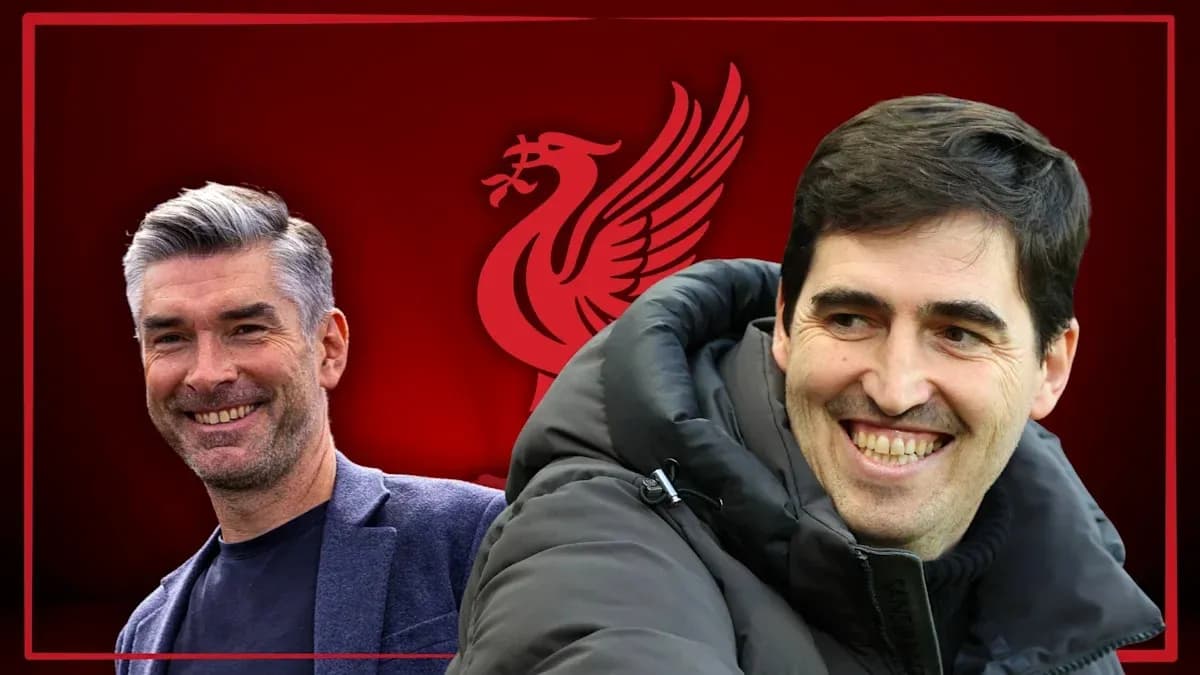
Richard Hughes did not walk into an easy first summer at Anfield. The new sporting director knows the list on his desk is long and unforgiving: replace key departures, refresh a squad entering a new era, and do it all in time for Andoni Iraola to mould something coherent before the Premier League season starts.
The days are slipping away. The mood in the stands and online is turning from curiosity to concern as the window drifts by without a major senior signing. Missing out on Yan Diomande, the preferred target who chose to go elsewhere, felt like a jolt. Since then, the trail has gone quiet.
Whether that silence is by design or a symptom of stalled negotiations is known only to those inside the recruitment bunker. Hughes and his team may simply be working in the shadows, away from the noise. Or they may still be wrestling with a market that has become more complicated and more expensive with every passing week.
What is not in doubt: Liverpool are running out of time to give Iraola the squad he wants before the real football starts.
Iraola’s demands, Liverpool’s dilemma
Iraola has not played the polite newcomer. At his unveiling at Anfield, and again during the club’s pre-season tour stop in Chicago, he made his stance plain. This team needs help. At least two positions, he stressed, must be strengthened if Liverpool are to meet the demands of a new season and a new style.
The message landed. Supporters heard it. So did the dressing room.
Yet the senior market remains frozen. No marquee additions. No late-summer dominoes falling. Just tension, expectation and a manager who knows his system relies on specific profiles that he does not yet fully have.
While that drama unfolds in the spotlight, Liverpool have chosen a very different tempo in another part of the club.
Quiet revolution in youth recruitment
If the first team is waiting, the academy is not.
Over the past year, Liverpool have aggressively expanded their global scouting network, stretching deeper into emerging markets and age groups where the next wave of talent is still largely unknown to the wider public. The operation has been driven by Head of Global Talent Matt Newberry, a name supporters are starting to hear more often.
Newberry’s fingerprints are already visible. Armin Pécsi, Mor Talla Ndiaye and Ifeanyi Ndukwe have all arrived as part of this shift, each one a calculated bet on upside rather than a safe purchase for the present.
Pécsi and Ndiaye wasted little time justifying the faith. Both impressed with the Under-21s last season, showing flashes of the technical quality and temperament that persuaded Liverpool to move quickly to bring them in. Ndukwe has gone a step further, earning a place on the first-team pre-season tour of the United States and giving Iraola and his staff a closer look at what might be coming down the pipeline.
These are not headline-grabbing deals. They are not the kind that dominate talk shows or send social media into meltdown. Yet inside the club, they are seen as crucial.
Each signing arrived for a relatively modest fee. Each is viewed as having the potential to grow into a first-team asset. That balance of cost and ceiling is exactly what Liverpool believe can keep them competitive in a market where the price of proven quality is spiralling.
A deliberate shift in strategy
This is no accident. It is a strategic turn.
Liverpool are no longer content to wait for players to explode elsewhere and then pay the premium. The club has doubled down on finding elite young talent before the rest of Europe drives the price into the stratosphere.
Talks are already under way with more prospects, including Diego Pelembe and Andria Bartishvili, as the club continues to fish in waters that used to be left to more speculative operators. The idea is simple: identify, convince and develop before the wider market fully wakes up.
The latest midfielder to agree a five-year deal is another product of that thinking. A long contract, a clear development pathway, and a belief that in two or three years’ time, this could be a player stepping into the senior picture rather than one being chased at three or four times the cost.
Building tomorrow while today waits
This dual reality defines Liverpool’s summer. On one side, a restless fanbase watching the days tick down without the senior signings Iraola has publicly requested. On the other, a methodical rebuild of the club’s talent base, one teenage prospect at a time.
The tension between those timelines is obvious. Supporters want to see a team ready to compete now. The club wants to ensure it can still compete five years from now without being held hostage by the market.
For Hughes and Iraola, the challenge is to make both tracks meet: to land the ready-made quality the manager needs, while ensuring that the “special midfielder” signing today for the academy is not just a footnote, but a future pillar of the next Liverpool side.
If that balance is struck, this quiet contract could end up telling us far more about where Liverpool are heading than any frantic late-window scramble.