Man City Verdict's Impact Reaches Beyond Football, Influencing UK-UAE Relations
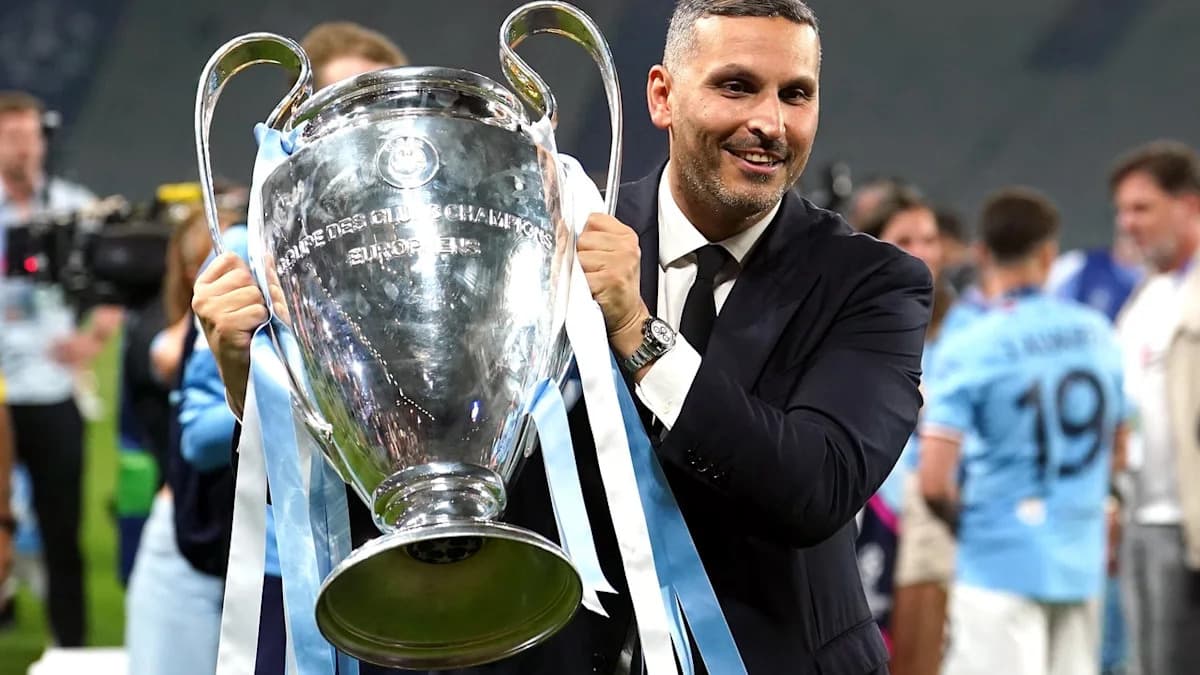
Manchester City chairman Khaldoon Al Mubarak has publicly addressed the club's expected guilty verdict for breaching Premier League financial rules. Despite the gravity of the charges, he firmly asserted the club's innocence in a letter to supporters following reports that the independent panel is likely to rule against them.
Al Mubarak emphasized his confidence in proving the club’s position, referring back to statements made when the allegations first surfaced in February 2023. At that time, the club claimed to have presented "a comprehensive body of irrefutable evidence." Yet, the anticipated ruling suggests much of this evidence was challenged.
In his letter, Al Mubarak also highlighted ongoing efforts by some to undermine Manchester City's progress, vowing not to allow such attempts to succeed. This stance reflects a defiant tone despite the legal challenges faced.
Political and Business Stakes Extend Well Beyond Sport
The case carries significance beyond football, touching on international relations between the United Kingdom and the United Arab Emirates. Al Mubarak, who plays a major political role in Abu Dhabi, is seen as a key figure bridging sport and diplomacy. His influence extends into government and business, holding positions such as chairman of the Executive Affairs Authority and CEO of the Mubadala wealth fund.
Reports have linked the UAE's strategic economic interests, including previous threats over UK arms deals, to the sensitivity surrounding this verdict. Such geopolitical undercurrents add layers of complexity to the situation, with trade relations potentially affected by the fallout.
Al Mubarak’s Background and Influence
Son of a former UAE ambassador who was assassinated, Al Mubarak’s upbringing included international education aimed at cultivating expertise outside the ruling family. Now in his 50s, he is considered the most influential non-royal in the UAE, acting as a close advisor to President Mohammed bin Zayed. His leadership at Manchester City mirrors broader UAE values and ambitions.
The chairman has previously demonstrated a readiness to confront football authorities aggressively, once stating he would invest heavily in legal battles against UEFA over prior disputes.
Potential Consequences for Club Leadership
If the verdict stands, there could be significant reputational damage for club owner Sheikh Mansour and those associated with him. Political insiders speculate on whether such a public setback might impact their standing within Abu Dhabi’s power structure. The possibility of removing senior figures like Al Mubarak from the club, while deemed unlikely, raises questions about precedent in elite football given his political stature.
Case Unprecedented in Scale and Geopolitical Reach
This controversy is probably the largest of its kind in European football history, not only for the volume of charges but also because of its state-level implications. The intertwining of sport, politics, and international finance makes it unique.
Abu Dhabi’s investments in private equity and executive changes across rival clubs suggest shifting attitudes toward Manchester City’s situation. Meanwhile, UK Prime Minister Andy Burnham, formerly Manchester’s mayor during significant UAE investments in the city, maintains positive relations with Emirati leaders, adding another dimension to the backdrop.
Unexpected Strength from Al Mubarak
The robust response from the club’s chairman surprises many, given the depth of the charges and the extensive resources available to Manchester City. Despite the odds, Al Mubarak’s unwavering confidence signals a belief in overcoming this crisis, highlighting the complex interplay of sport, politics, and power.