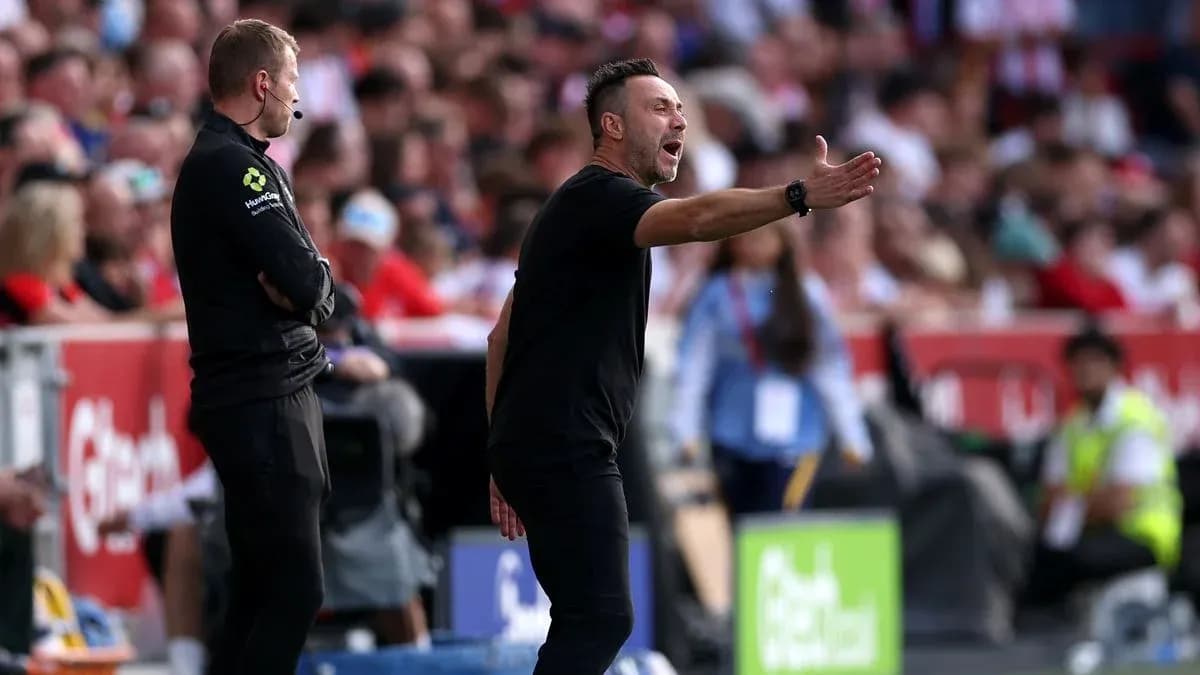
Manager Reflects on Defeat Against Brentford: A Physical Shortcoming
The verdict from the dressing room was brutal: this was a bad game, and his team were second best in every duel.
The manager cut a frustrated figure as he picked through a defeat he felt had been decided in the most basic area of the pitch – the physical contests Brentford relish and his side repeatedly lost.
“We lost and suffered the difference in the duels. It was the key of this game,” he said, not bothering to sugar-coat what had just unfolded. “We didn't fight in the right way. Maybe credit to them because it's the best quality Brentford have.”
He knew his side were short. He just hadn’t expected it to look quite this stark.
Physically short, tactically late
The explanation began with fitness. Several players returned late after the World Cup, others are only just bedding into a new squad and a new starting XI. The manager admitted the group were nowhere near the physical level required.
“Our physical condition was not at the right level for all players because many came later after the World Cup and there were many new players in the squad and first XI,” he said. “But we have to analyse this game better because we can't play this way in this type of game.”
The surprise in his voice was real. Not at the issues he knew existed, but at how ruthlessly Brentford exposed them.
“I am surprised by the result and performance. I knew we were not in the right condition. We can't find an excuse. I am sorry for the result and performance. We are starting a new project and we couldn't find the principal.”
Key names were singled out not for criticism, but as examples of where the group is physically.
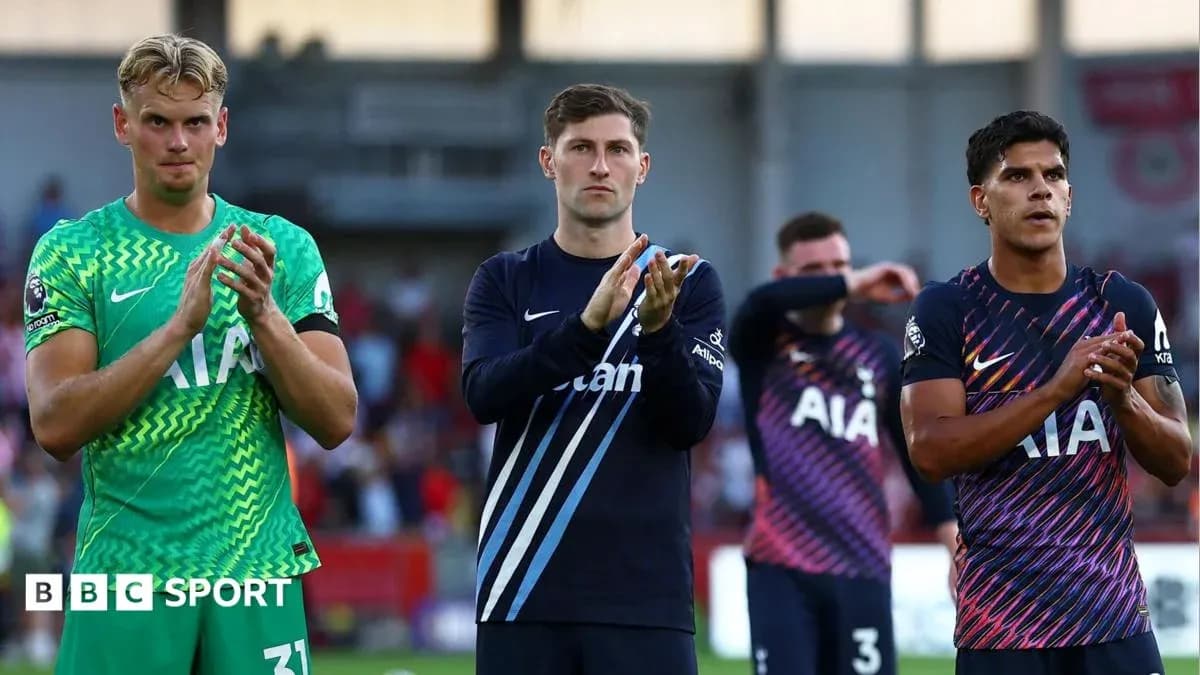
“Marcos Senesi, Jan Paul van Hecke and Sandro Tonali are not in the best physical condition. We knew that before the game. We have to improve on that and many other things, like organisation and pressing.”
The pattern was clear: late to challenges, late to presses, late to second balls. Against Brentford, that is a recipe for punishment.
Duels lost, spirit questioned
The manager returned again and again to one theme: duels. His side didn’t win enough of them, particularly in a first half that allowed the game to tilt decisively Brentford’s way.
“We suffered physically but we knew that before the game. We were not ready to fight the duels,” he admitted. “We made a lot of mistakes in the timing of the pressure with Mikey Moore. We arrived too many times late and we lost too many duels to compete with Brentford.”
He rejected the idea that his players lack character or memory of what made them competitive last season, but he did not spare them from responsibility.
“Especially in the first half, we were not in the right position to make the right pressure. If you analyse the game, you can see how many duels we lost in the first half when the game went in Brentford's direction.
“We didn't play well. We didn't fight in the right way. Not because we didn't remember the last season. Because these players are good people and with value and memory. But we lost too many duels.”
He insisted there was “soul” in the performance, but not the right kind of fight.
“With a lot of new players, we knew we needed soul and style of play to become a team. Today I think there was the soul but we didn't fight in the right way.”
New project, same expectations
This is a team in transition, loaded with new signings and short of rhythm. The manager knows it. He just refuses to hide behind it.
“There were many new players but it was the first game. It's part of our journey,” he said. “We can improve quickly but first, we have to understand this game better. I know their physical condition and new players but we have to put something more. We had to fight more. Players know I have a lot of confidence in them and we hope to improve quickly.”
On recruitment, he was firm. He does not want the narrative to drift towards blaming the starting XI.
“I don't want the excuse that the first XI was not enough to compete and get a result. Brentford's spirit on the pitch was great, it has to be the right example for us.”
The standard, in his mind, is non-negotiable. Whoever starts, they must match that intensity.
No destruction, but a clear warning
Asked if this defeat would trigger sweeping changes, he backed his players but underlined the need for a rapid response.
“The first XI should be able to compete normally if the game went in this way. I don't lose confidence in my players and these people. We have to work and improve, analyse the game better and find the improvement.”
He stressed that the project remains on track, even if this performance was a jolt.
“We have to analyse this game. We cannot destroy everything because we are working well. Physical condition is not the same for all players because many started the season later.
“I don't want to make excuses but we need to keep improving. We need to find the right spirit to fight but today, it wasn't there. I expected better for sure. I didn't expect this result but I knew the problems we would find today.”
The message was blunt: the ideas are there, the “soul” is there, but until his side win their battles and run at Brentford’s level, this new project will remain just that – a plan on paper, waiting to come alive.