Manchester City Pursue Elliot Anderson for Record Transfer Fee
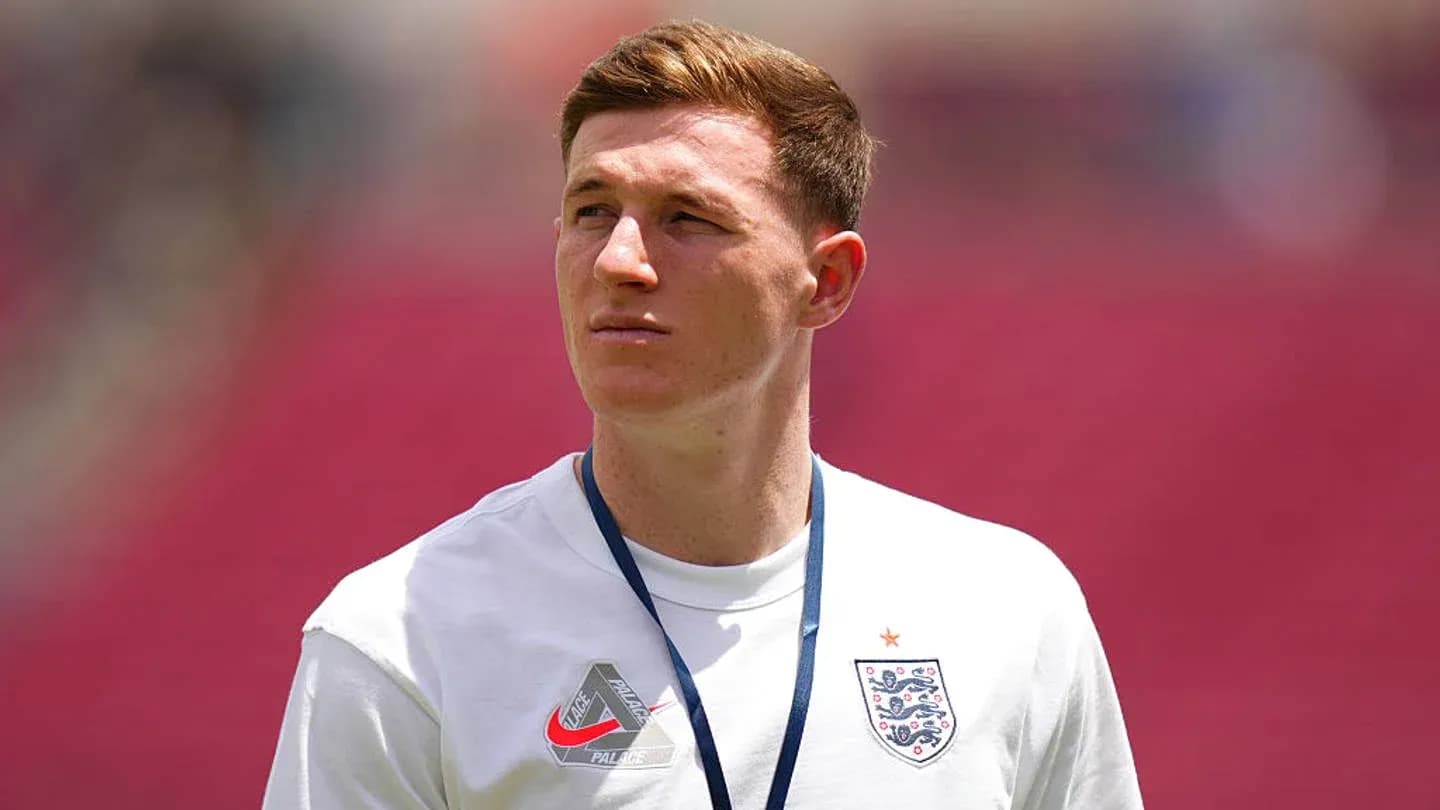
Manchester City are testing the limits of the transfer market again, and this time the spotlight falls on Elliot Anderson.
The Premier League champions have moved to make the Nottingham Forest midfielder the most expensive English player in history, tabling an offer that underlines just how highly they rate the 23-year-old as they reshape the squad for life after Pep Guardiola.
City Push to Smash English Transfer Record
City’s proposal, relayed on Wednesday by Fabrizio Romano and The Athletic’s David Ornstein, starts at $141.7 million (£106 million) guaranteed and could climb beyond $160.4 million (£120 million) with add-ons. The fixed fee alone edges past the package Arsenal agreed for Declan Rice in 2023, which currently stands as the benchmark for an English player.
That still isn’t enough.
Forest, stubborn and fully aware of the leverage they hold, are pushing for more guaranteed money. Their internal yardstick is clear: the 2025 deal that took Alexander Isak from Newcastle United to Liverpool for $167.1 million guaranteed, with only minor add-ons attached. In Forest’s eyes, Anderson sits at least in that bracket.
If they get their way and the guaranteed fee tops the Isak deal, the move would set a new Premier League record. Only Neymar and Kylian Mbappé have commanded higher base fees in world football before add-ons. That’s the company Forest believe their midfielder belongs in, at least in financial terms.
Anderson’s Rise and Forest’s Leverage
Forest can demand it because Anderson has played his way into this position.
During the 2025–26 season, he didn’t just emerge; he exploded into the conversation as one of the Premier League’s standout midfielders. His form forced its way into the England setup in time for the 2026 World Cup, and he backed it up with big performances against both Manchester clubs. Those games tend to stick in the minds of decision-makers in Manchester.
Anderson is under contract for another three years. There is no ticking clock, no looming free transfer to undercut Forest’s stance. That security, combined with his age and trajectory, gives the club real power.
For Forest, this is the kind of dilemma ambitious clubs crave. Keeping him strengthens their hand on the pitch. Selling him at their price transforms what should have been a prohibitive valuation into a war chest. Either they retain one of the league’s most complete young midfielders for at least another season, or they bank a sum that can reshape the squad.
From their perspective, there is no need to blink first.
The Market That Made a $170m Midfielder Possible
On the surface, putting an almost $170 million tag on a midfielder looks wild. The recent market makes it less so.
Rice’s move to Arsenal, Enzo Fernández’s switch to Chelsea, Moisés Caicedo’s record-breaking arrival at Stamford Bridge after Liverpool had also seen a huge bid accepted – all three transfers landed in 2023 and dragged the ceiling for elite midfielders upwards. Since then, the sport’s finances have only swelled, and clubs have adjusted their valuations accordingly.
Forest’s reference point, Isak, is not a like-for-like comparison. He is a striker, and his first season at Liverpool was disrupted by fitness problems, a broken leg and another injury setback on his return. Yet the figure Liverpool paid still matters. It set a tone. When one forward with question marks can move for $167.1 million guaranteed, a 23-year-old midfielder driving games in the Premier League and playing at a World Cup starts to feel like a similar financial proposition.
Football has been here before, in a different era and on a different scale. In 1993, Forest sold Roy Keane to Manchester United for a British record £3.75 million, with Blackburn Rovers having actually offered more. That fee looked enormous at the time. It now barely registers in the modern economy of the game. Context shifts. Numbers grow. The logic stays the same: precedent shapes the next deal.
Why City Are Willing to Go This High
Strip away the shock of the headline figures and City’s thinking becomes clear.
They are not buying a short-term fix. Anderson turns 24 in November. If he succeeds, he could anchor their midfield for a decade. Spread over that kind of timeline, even a fee approaching $170 million starts to resemble the kind of long-range investment City have made before.
The club’s modern era is built on players who arrived for big money and then stayed long enough to justify every pound and more: David Silva, Yaya Touré, Sergio Agüero, Kevin De Bruyne, and, more recently, John Stones and Bernardo Silva. City do not cling to every signing, but when they get one right, they tend to keep them through their prime years.
They also back their recruitment department. City rarely get major transfers badly wrong, and the fact they are prepared to go this high suggests they see Anderson as a central piece of the post-Guardiola puzzle, not a luxury add-on. His all-round skillset, his ability to influence games in and out of possession, and his proven performances against elite opposition all feed into that conviction.
Manchester United’s interest only sharpens the picture. When both halves of the city circle the same player, the price climbs and the stakes rise. City appear ready to go where the market leads.
Now it comes down to one question: will Forest hold the line long enough to force a Premier League-record guarantee, or will City’s latest offer be the one that finally breaks their resolve?