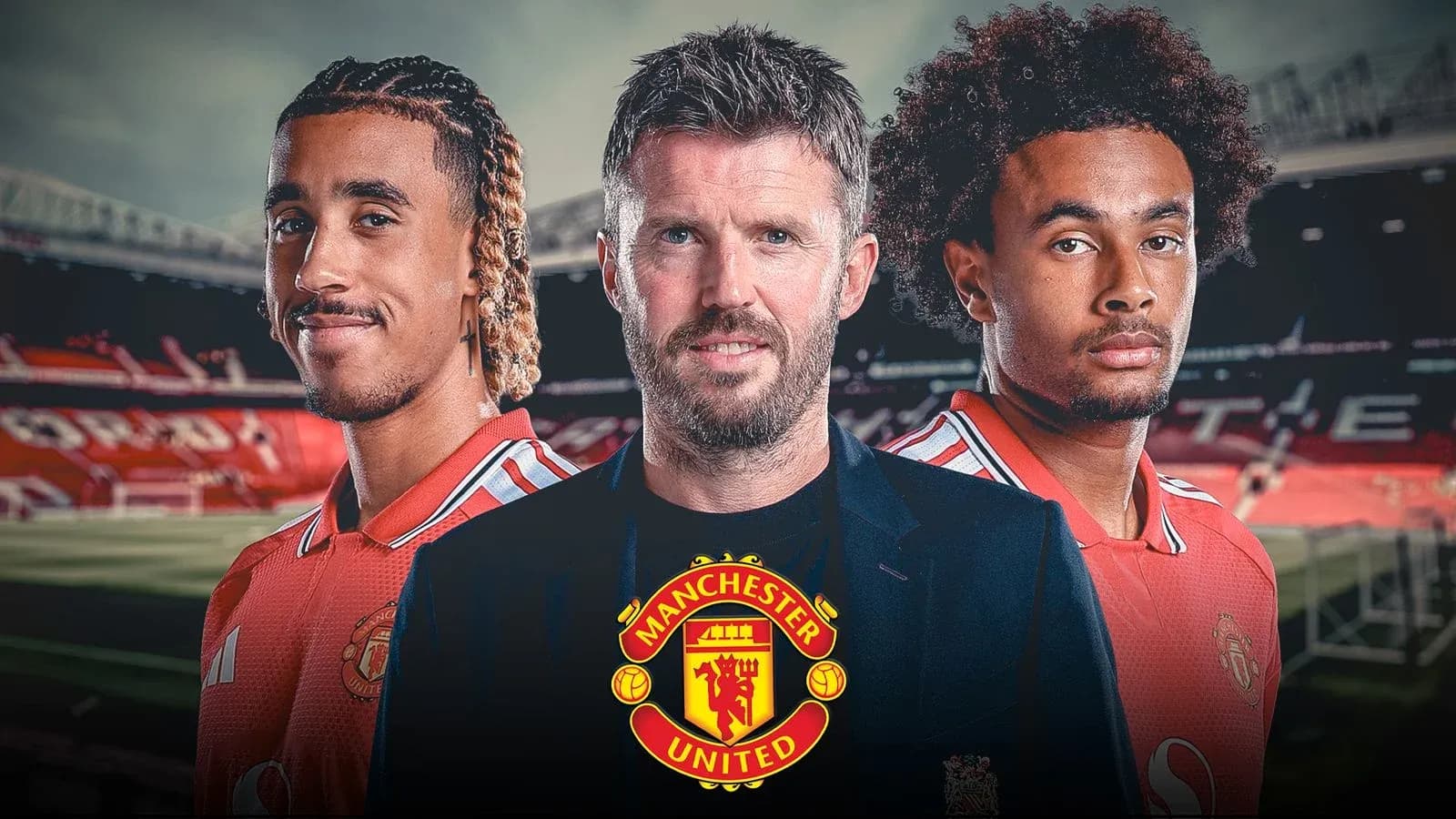
Manchester United's Crucial Week: Champions League and Manchester Derby
“It puts a bit of pressure on United. They've got City next week and European games starting in midweek.”
Gary Neville said it in passing after the 2-2 draw with Everton. It now hangs over Manchester United’s week like a warning siren. It is still only September, but for Michael Carrick this already feels like a stretch that could shape his season – and maybe his future.
Easiest start on paper, toughest reality
When the 2026/27 Premier League fixtures dropped, the numbers were kind. Statistically, United had the softest opening six games in the division. A gentle runway, supposedly. Three matches in, they have spilled more points than they have banked.
Now the schedule sharpens its teeth.
On Thursday night, United launch their Champions League campaign at Old Trafford against Azerbaijan champions Sabah. Three days later comes the first Manchester derby of the season. City. The champions, the benchmark, the unforgiving measuring stick.
You don’t need a coaching badge to know what Carrick will be wrestling with. Rotate on Thursday and protect key legs for City? Or lean on his strongest XI to make sure Europe starts with a statement? Either way, this is the first real stress test of his squad, not just his team.
And that is where the doubts pile up.
Big squad, small comfort
On the face of it, United cannot complain about numbers. Transfermarkt lists them as having the second biggest squad in the Premier League. No manager looks at that and thinks, “I’m short of bodies.”
But the numbers lie.
The squad is heavy in all the wrong places. Up front, they are stacked. No club in the league has greater depth in forward areas. Once you move back a line, the picture changes. Eighth for midfield depth. Tenth in defence. Strip it back even further and the cracks widen: ninth for right-back options, 18th at left-back.
That last one has been a running sore. Luke Shaw’s injury history has been a talking point for years, yet United still find themselves exposed on that flank. Since 2022, only Everton and Liverpool have invested less in their backline. For a club that has spent as heavily as United, that is a choice, not an accident.
The result is an imbalance that Carrick cannot ignore. One problem is structural. The other is brutal: when he turns to his bench, the drop-off in quality is obvious.
£1bn spent, competition still missing
United’s hierarchy can point to financial restrictions and regulations. They can talk about the market. The reality is starker. Since 2022, no Premier League club has a higher net spend. No one.
Yet that outlay has not produced a squad where places are genuinely under threat. It has produced a first XI and then… a cliff.
Look at Everton on Sunday. Carrick waited until the 70th minute to make his first substitutions. From that moment, United changed – and not in the way a coach wants to see.
The data tells the story. After the changes, United spent more time in Everton’s half, but their play lost its edge. Fewer passes found the final third. Chance creation dipped. They engaged in fewer duels, retreated under pressure and conceded more opportunities.
Yes, context matters. Everton were chasing the game, throwing more forward. The final 20 minutes never mirror the first 70. But the pattern fits a wider theme: when Carrick turns to his fringe players, they are not matching the level of those they replace.
Benjamin Sesko is the clear exception, a substitute who changes games rather than simply fills minutes. One player, though, cannot solve an entire squad’s depth problem.
The same warning signs appeared against Hull. On the surface, the numbers after the substitutions looked better. But that night, Carrick’s changes nudged the team closer to what would become his preferred XI for the following games against Ipswich and Everton. In other words, the “improvement” came when the bench dragged the level up towards the first team, not away from it.
And that’s the crux. Even when Carrick tweaks fewer than half his side, the collective level often drops. In a season of three-games-a-week football, that is a fault line.
Audition night in Europe
So Thursday becomes more than just a Champions League group opener against Sabah. It becomes an audition.
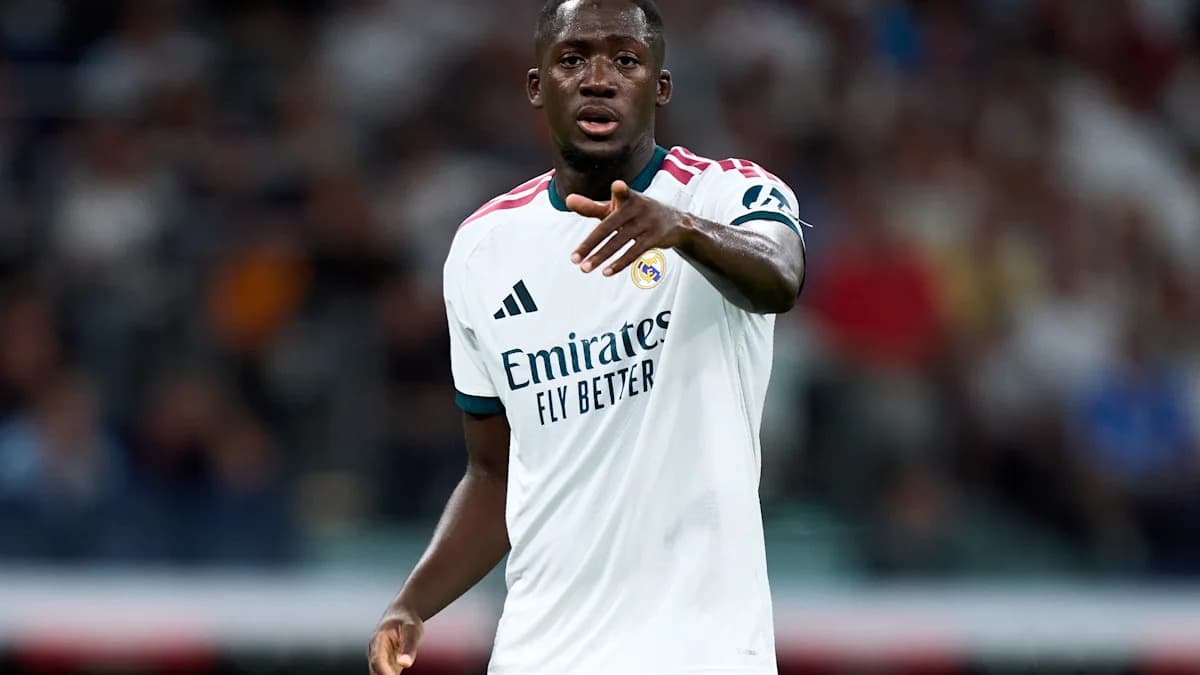
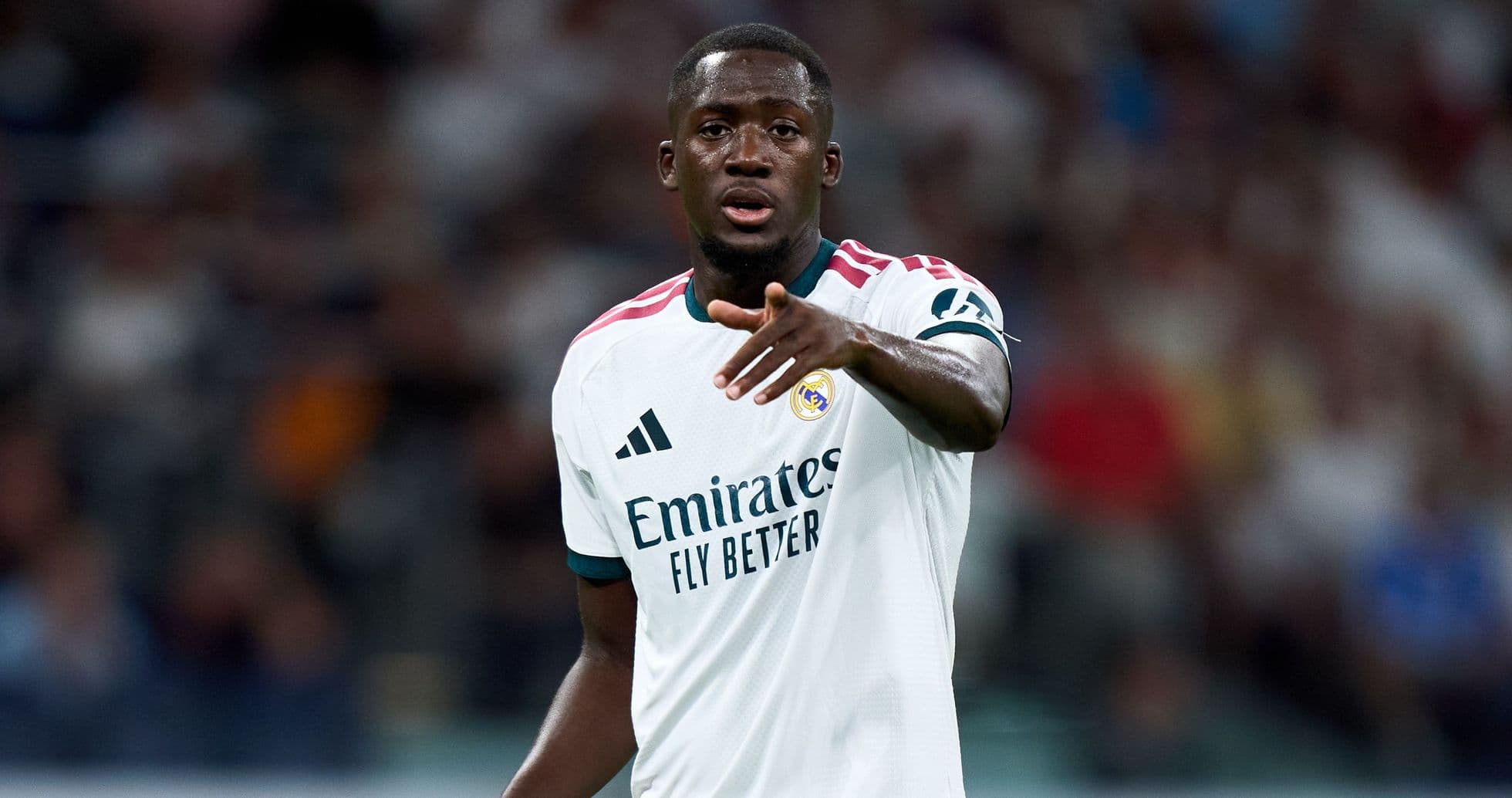
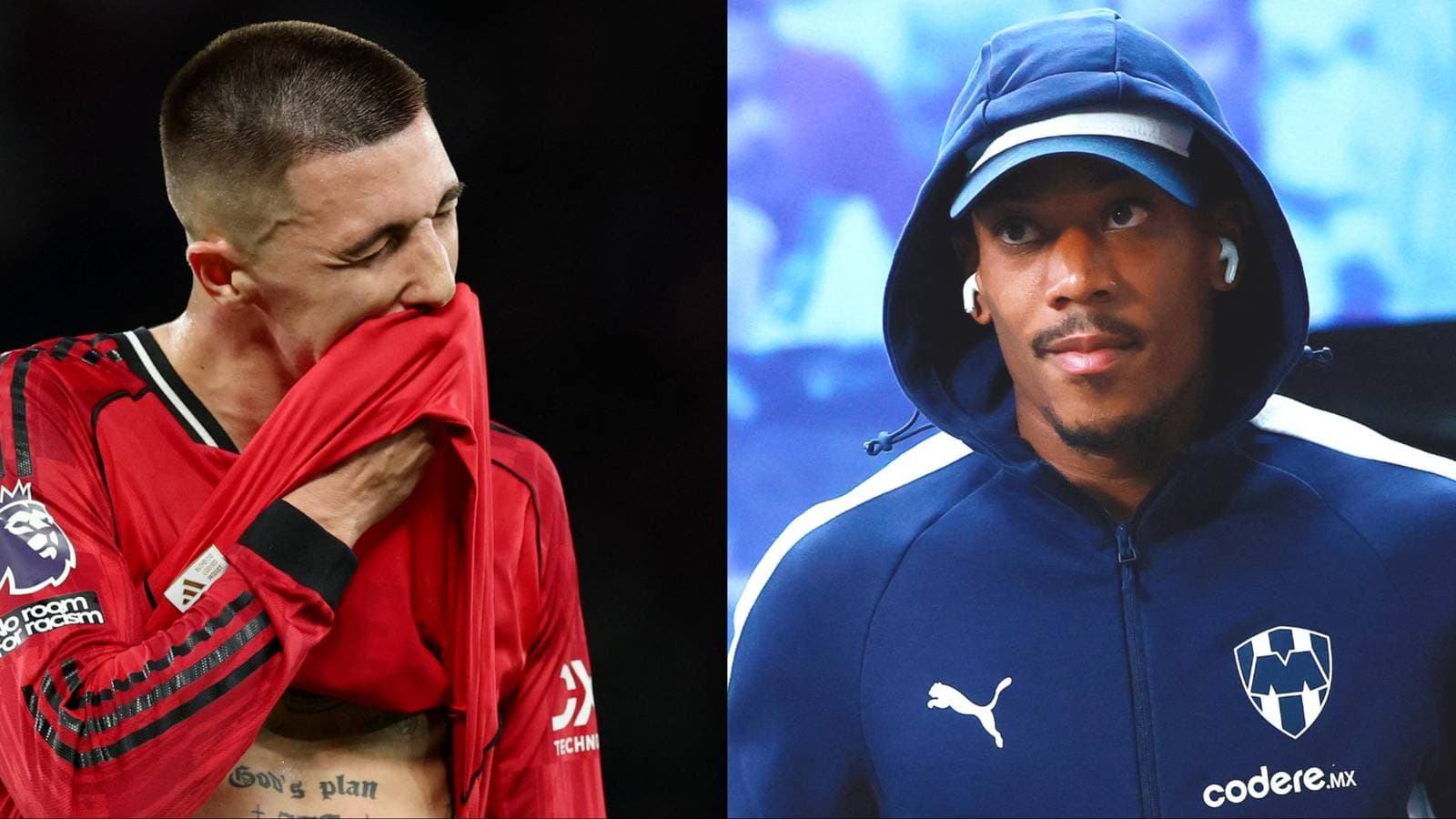
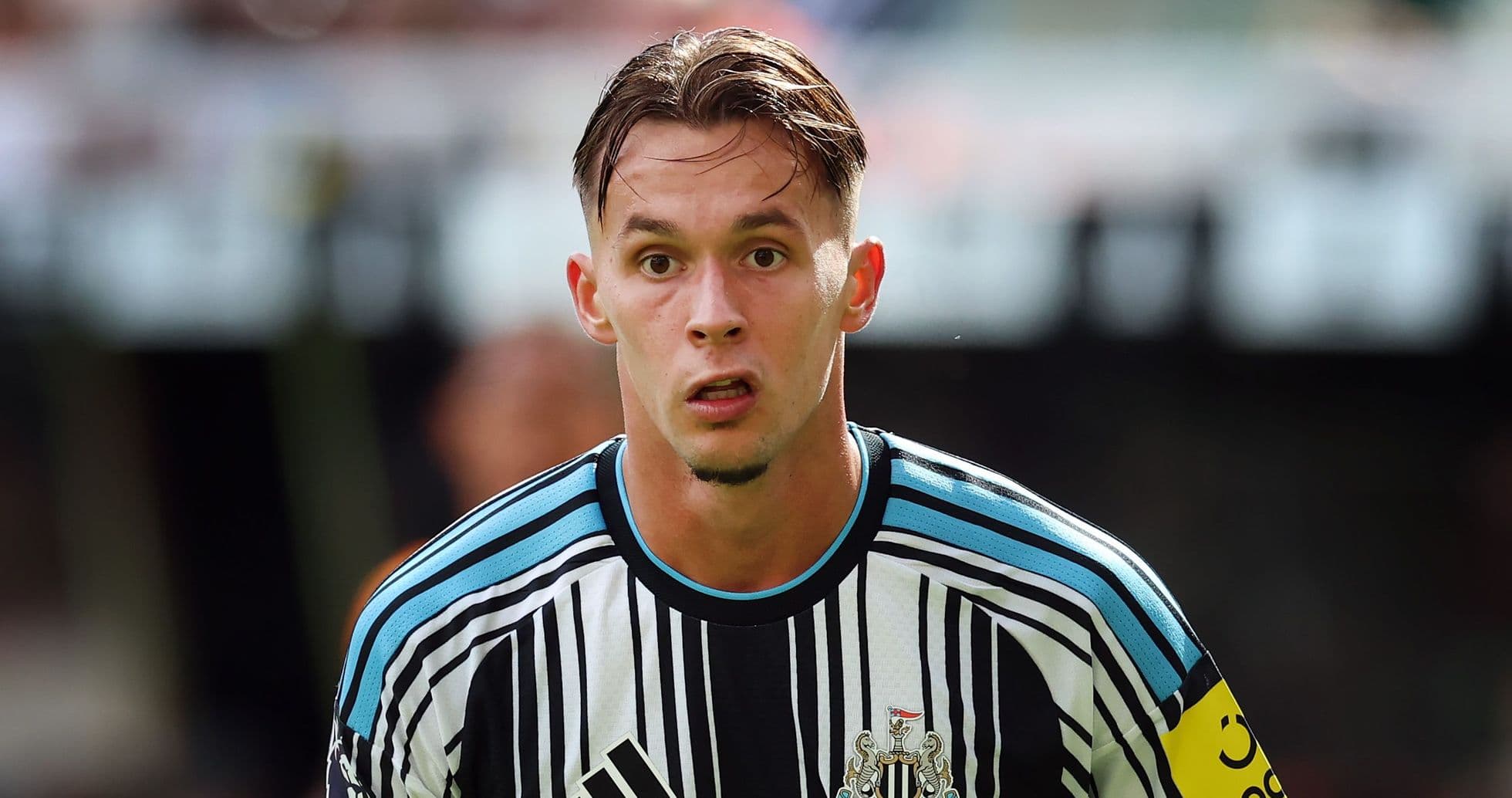
For Leny Yoro, Patrick Dorgu, Andrey Santos and Joshua Zirkzee, this is the night. The golden window to prove they belong in the inner circle, not on the margins. All of them will dream of starting the derby. All of them know that a flat display in Europe almost certainly closes that door.
Carrick needs them as much as they need him. He cannot run the same core of players into the ground by Christmas. Not with City on Sunday. Not with Europe stretching all the way to spring if United do their job.
Neville talked about Carrick having to earn the trust of the fans. That trust does not come from one big result. It comes from the sense that this is a team – and a squad – with layers, with answers on the bench when the legs go or the plan needs to change.
The same applies to the players on the fringes. They need to convince Old Trafford that they are more than names on a teamsheet when others are tired or injured.
Beat Sabah, and some of the noise quietens. A confident performance, goals shared around, fringe players stepping up – that buys Carrick time and belief before City roll into town.
Stumble, though, and the mood shifts again. The questions about the £1bn rebuild grow sharper. The scrutiny on selection, on recruitment, on the club’s priorities in the market, intensifies.
United’s season will not be decided in one week. But for Carrick, for those on the edge of his XI, and for a squad still searching for balance, this is the week when the excuses run out.