Manchester United's Champions League Chase: Survival and Financial Stakes
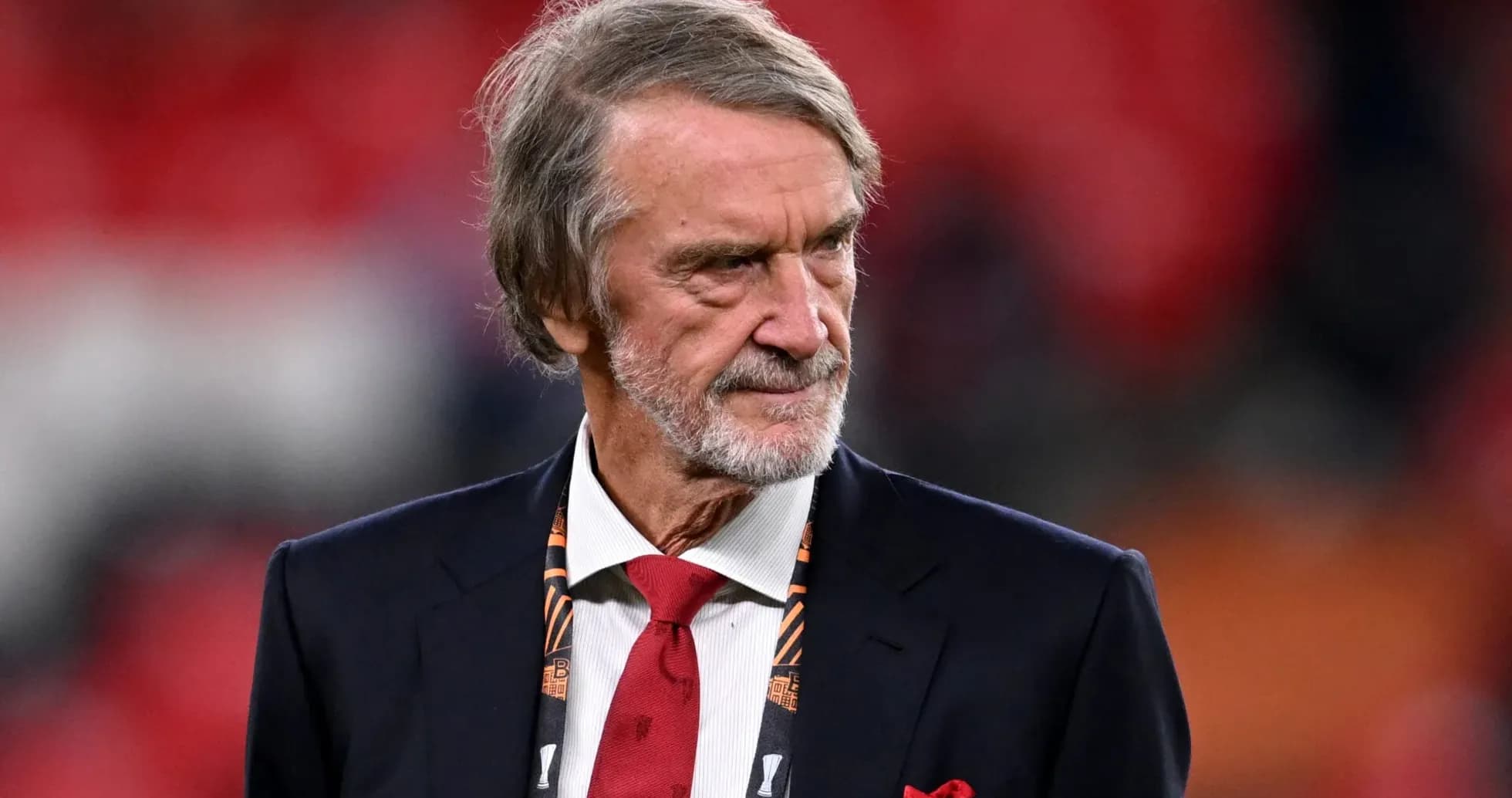
Twelve months after Sir Jim Ratcliffe warned that Manchester United could “go broke”, the numbers behind the soundbite are starting to bite. No European football this season has not just bruised the club’s ego; it has punched a sizeable hole in the balance sheet.
Right now, United are pushing for a return to the Champions League, and the stakes could hardly be higher. This is not just about prestige, or the anthem, or the glint of a midweek under the lights. It is about money. Serious money.
The Richest Table in Town
The Champions League remains Europe’s great cash machine. Last season, PSG are reported to have banked around £125 million from winning the competition, a figure that underlines how far the financial gap can stretch between those at the top table and those peering in from the outside.
Even the new league phase, before the knockouts begin, offers sizeable rewards. Wins alone can stack up to around £16 million in that opening stage. For a club trying to rebuild its squad and its infrastructure, that is not a bonus; that is a lifeline.
So what does it actually mean for United if they get back in? United in Focus’ football finance expert Adam Williams has crunched the numbers – and the range is stark.
£50m Just for Turning Up
“There are a lot of variables when you’re looking at how much United might earn from a season in the Champions League. Ultimately, it comes down to how deep into the competition they go,” Williams explains.
United do not start from scratch in UEFA’s system. Years of regular European participation mean they carry relatively strong five and 10-year coefficients, and they also benefit from the fact that the UK’s Champions League TV deal is the biggest on the market. Those two factors feed into UEFA’s “value pillar” – the mechanism that allocates the bulk of prize money before a ball is even kicked.
For United, that value pillar, combined with the flat participation fee all clubs receive, is likely to be worth in the region of £50 million on its own. That is the worst-case scenario. Qualify for the Champions League, lose every single league phase game, and that is still the baseline.
Then comes Old Trafford.
Four guaranteed home matchdays in the league phase, matchday revenue, hospitality, commercial activations, and the built-in bonus from the club’s deal with Adidas all stack on top. Williams estimates that those elements would push the figure to at least £80 million before United even think about progressing.
This is why qualification is non-negotiable. It funds the next step. It pays for the signings, the wages, the rebuild that Ratcliffe and his team insist must happen if United are to compete again at the very top.
The Ceiling: A £300m Dream
That £80 million is the floor. The real intrigue lies in the ceiling.
Wins in the league phase bring in around £1.8 million each. Progressing through the knockouts only increases the payouts. The deeper a club goes, the more the numbers swell.
“Remember, that’s a worst case,” Williams says. “In a best-case scenario where you win the Champions League, qualify for the Super Cup, and gain entry to the revamped Club World Cup, you can genuinely be looking at revenues approaching £300m.
“So clearly the actual figure is going to be somewhere between those two amounts and likely much, much closer to the lower end, but that’s the range of money on offer.”
Between £80 million and £300 million. That is the spread that hangs over United’s run-in.
April, Leeds, and the Cost of Failure
United’s immediate future now narrows onto the league fixtures that will decide whether they make it back into Europe’s elite. Three games in April, starting with a home clash against Leeds, will help determine whether Old Trafford hears the Champions League anthem next season or settles for silence again.
Every point in that run-in carries a price tag. Drop out of the Champions League spots, and the club are not just missing out on glamour nights; they are walking away from tens of millions of pounds that could have underpinned the summer’s transfer plans.
For a club still wrestling with the financial hangover of past missteps, this is the crossroads. Either United step back into the Champions League and unlock the funding to accelerate the rebuild, or they face another year looking on from the sidelines, trying to fix a superclub on a tighter budget.
The question is no longer whether Manchester United need the Champions League. It is how much it will cost them if they fail to get there.