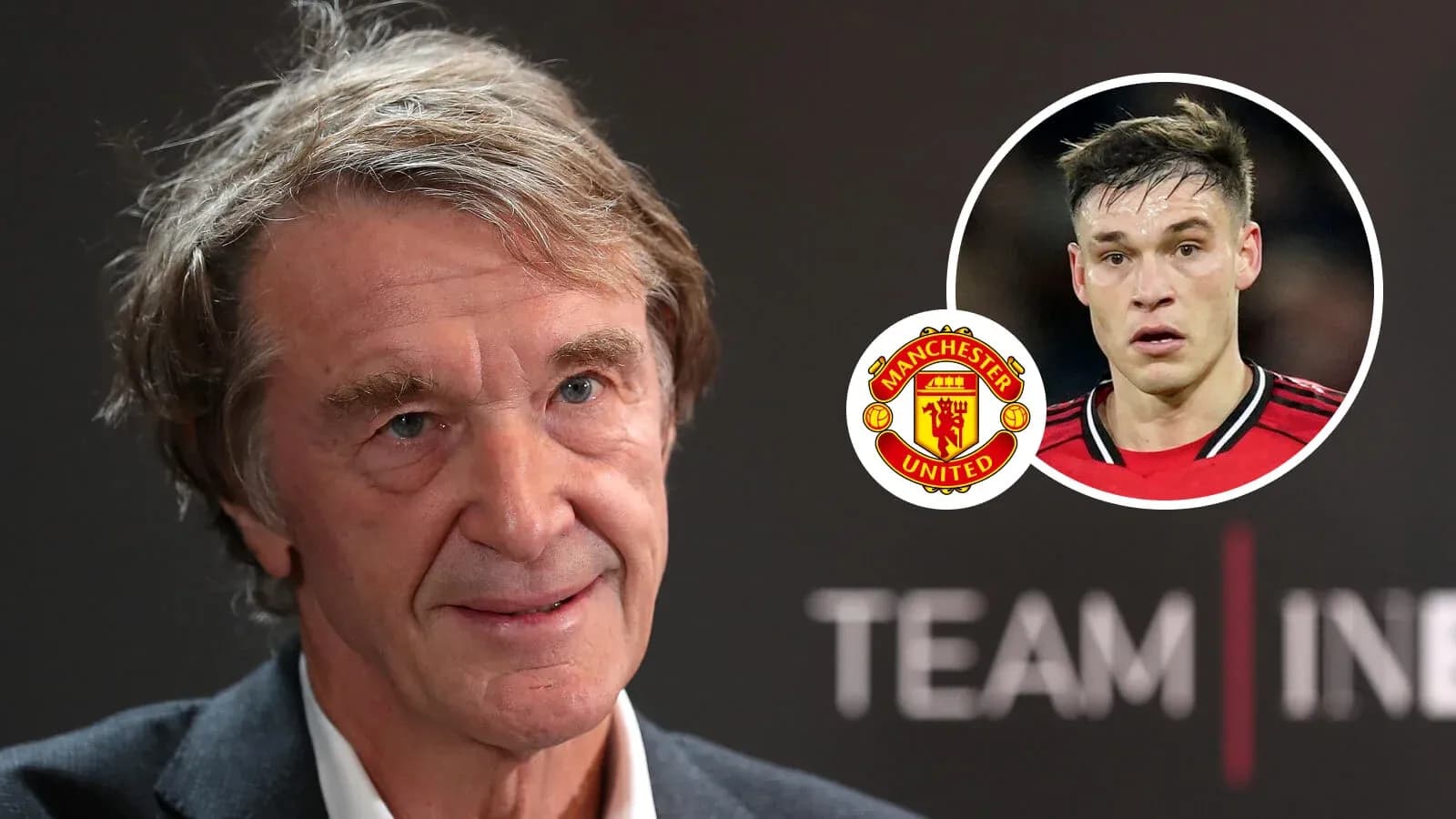
Manchester United's Manuel Ugarte Dilemma: A Long-Term Problem
Manchester United thought this summer would be the clean break. A chance to quietly move on from Manuel Ugarte, cut their losses and reset a midfield that has never truly settled since his arrival.
Instead, they are staring at a problem that could drag on for years.
Ratcliffe made his mind up early
Sir Jim Ratcliffe did not hide his feelings. According to a report in The Athletic back in April, the INEOS chief had seen enough of Ugarte during a live outing against Leeds United and wanted him sold. Not eased out. Sold.
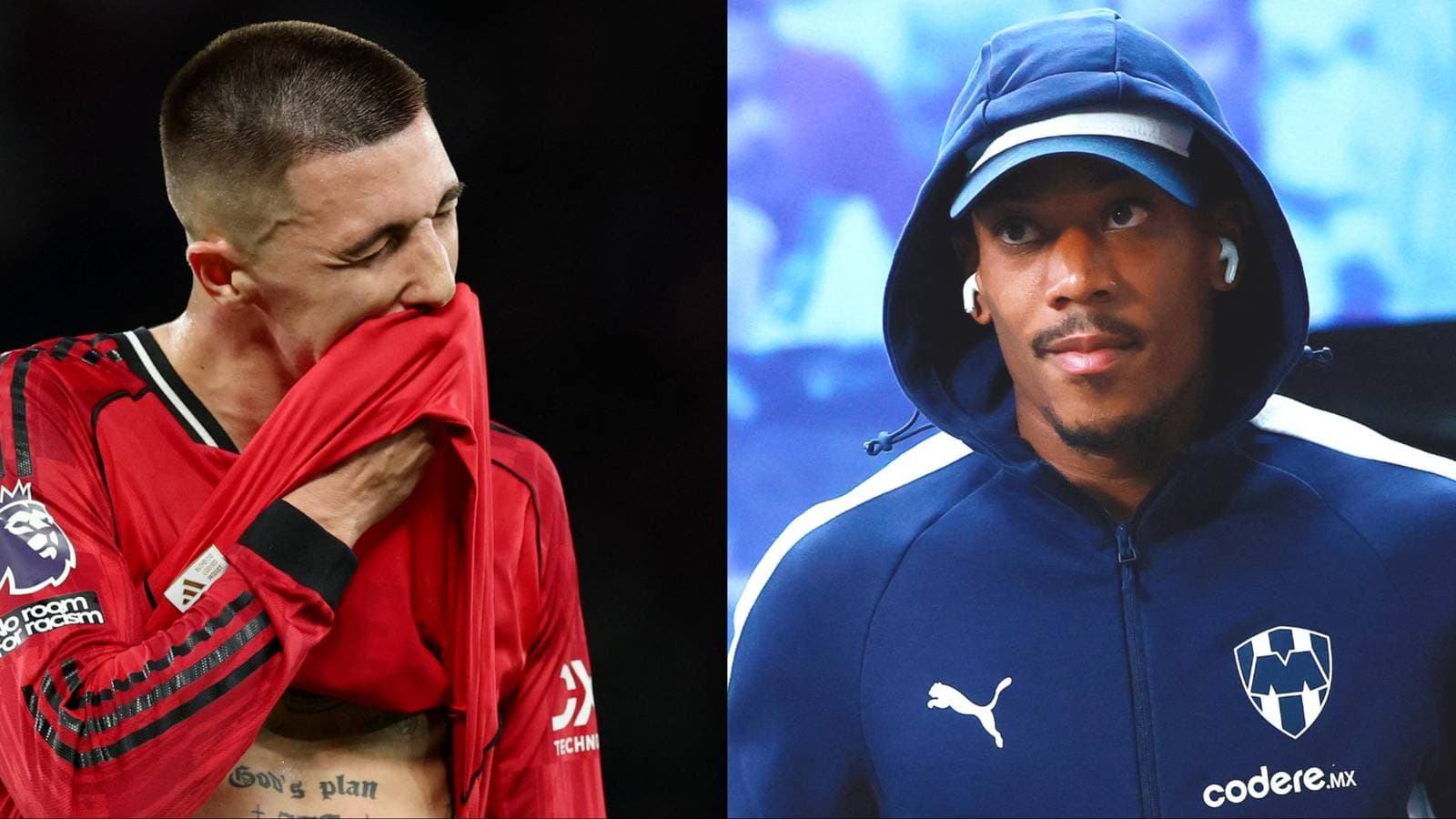
Ugarte, signed for more than £50 million in 2024, had already endured two flat campaigns. The energy and bite that were supposed to transform United’s midfield never really materialised. By the time this summer’s window opened, the club were ready to listen to offers.
They knew the reality. ESPN report that United accepted they would be lucky to get around £20 million, a figure shaped by form and by wages that limited the pool of potential buyers. A permanent sale looked ambitious. A loan, with another club picking up his salary, was the most realistic escape route.
Then the World Cup intervened.
Injury changes everything – and nothing
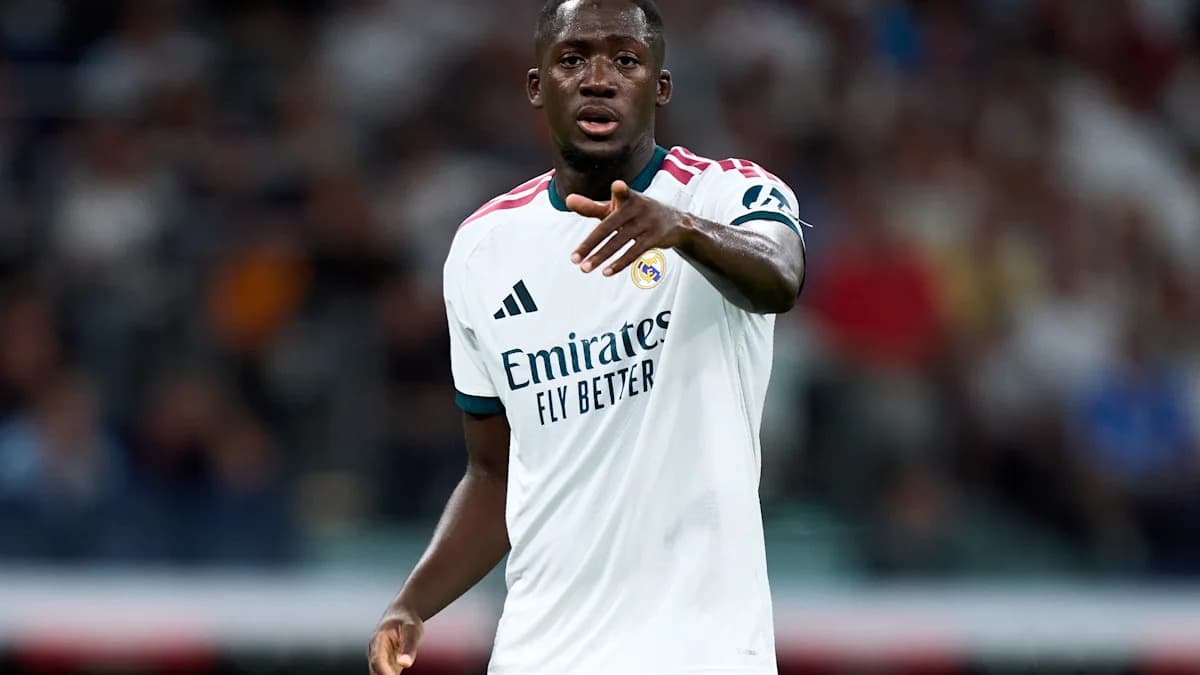
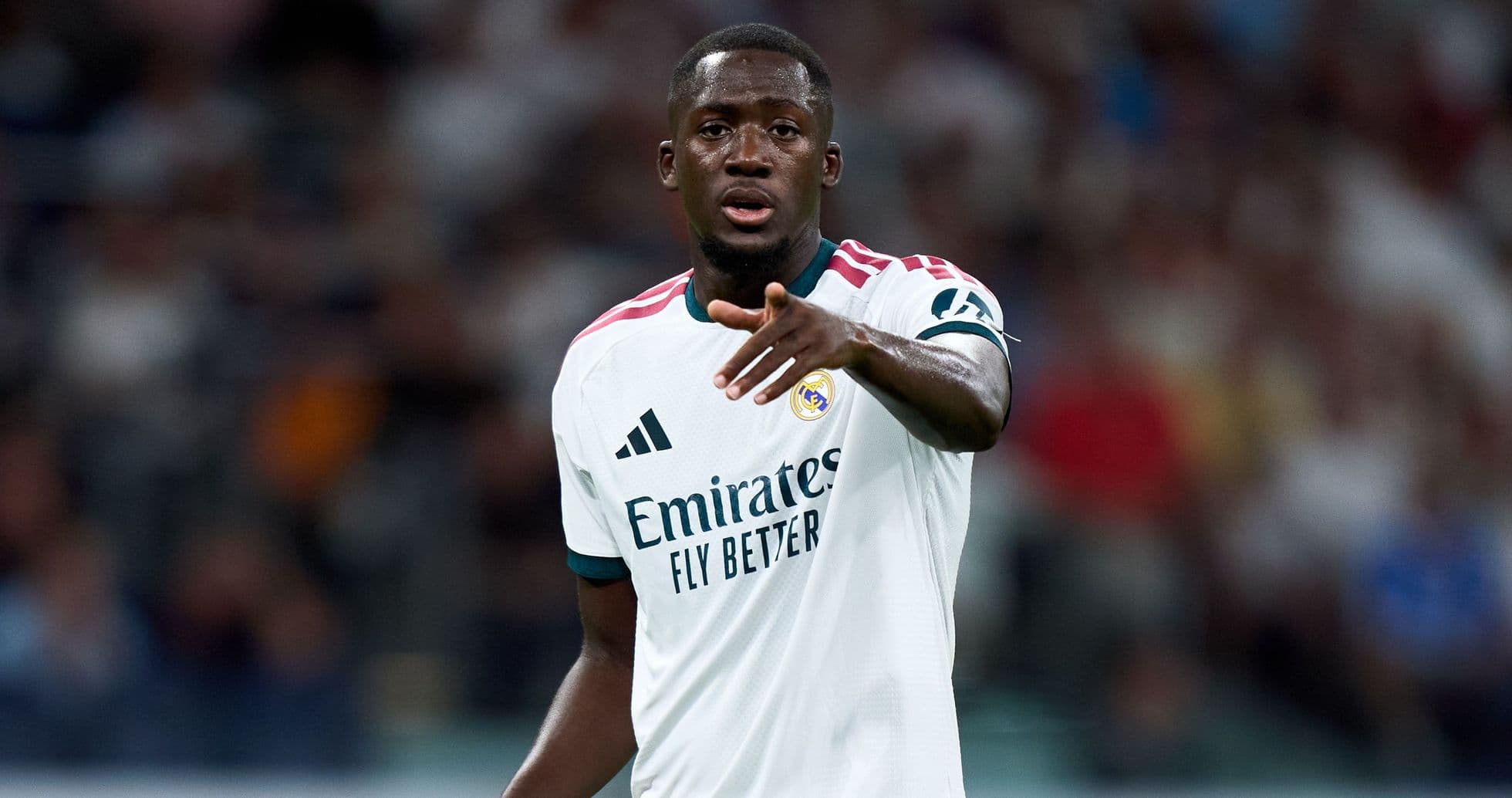
Playing for Uruguay at the 2026 World Cup finals, Ugarte suffered a serious knee injury. Any faint hope of a move vanished in an instant.
United are at least protected in the short term. Under the FIFA Club Protection Programme, the midfielder’s wages will be covered while he recovers, easing the immediate financial hit. On the balance sheet, that helps. On the pitch and in the long-term planning, it changes very little.
Ugarte is under contract at Old Trafford until June 2029. That is five years from his arrival and, as ESPN point out, potentially another three summers of searching for a way out if his situation does not improve.
The injury has not solved United’s problem. It has simply pushed it down the line.
This is exactly the sort of scenario new powerbrokers Omar Berrada and Jason Wilcox are desperate to avoid: a high-earning, underperforming asset on a long contract, difficult to shift, awkward to build around, and increasingly symbolic of the club’s recent transfer missteps.
Next summer, United will be back in the same position, only with an added layer of uncertainty over how Ugarte recovers from a long-term knee problem. Any buying club will factor that in. Any negotiating leverage United hoped to have shrinks further.
Zirkzee stays – and sees opportunity
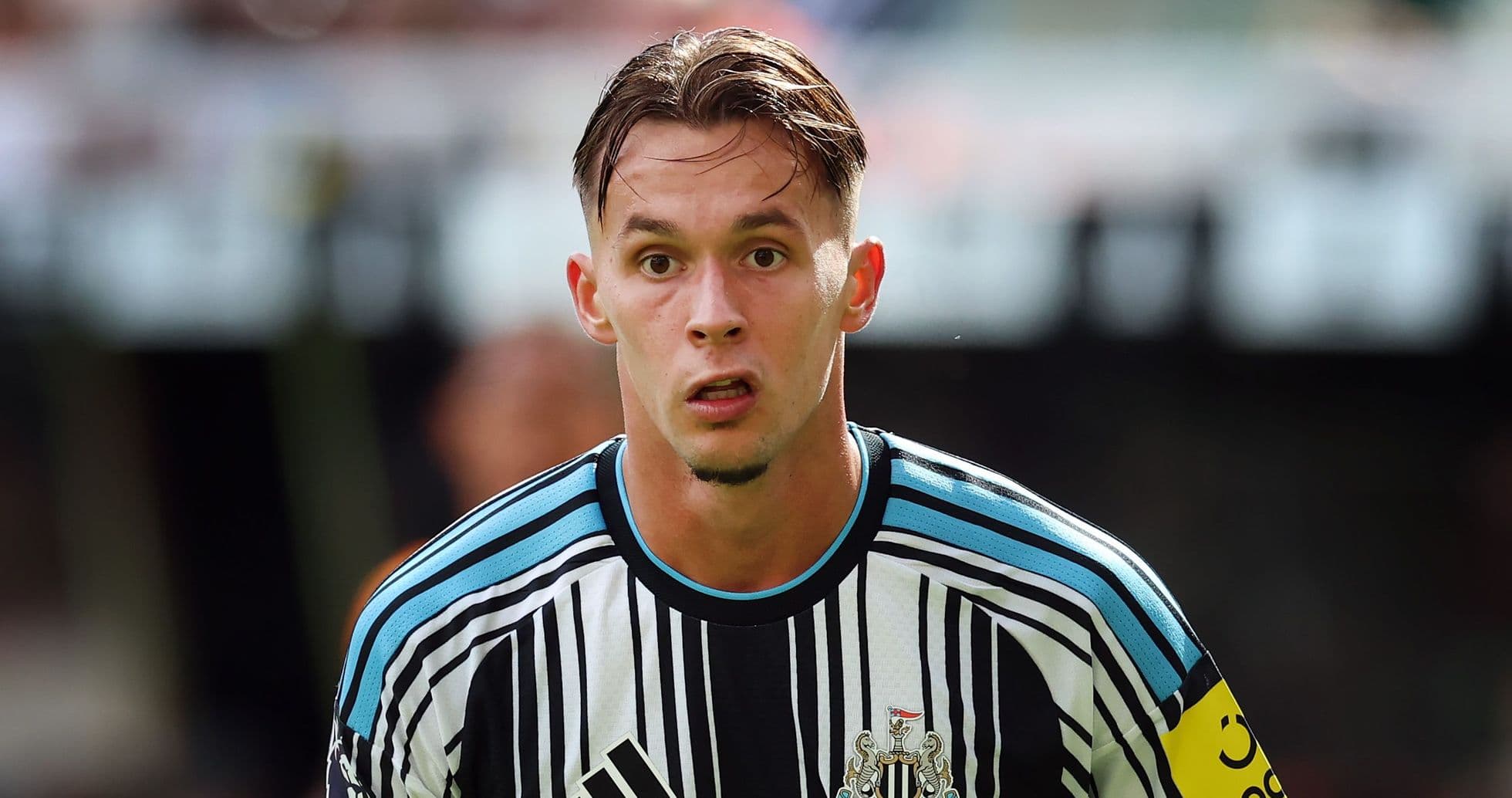
Ugarte is not the only player United were ready to move on. Joshua Zirkzee was also made available in the summer, but his story has taken a different turn.
The Dutch forward remains at Old Trafford, and unlike Ugarte, he has a manager publicly backing his role in the squad.
Michael Carrick, speaking to BBC Sport, made it clear he sees value in keeping Zirkzee around.
“For sure Josh is important, for the team, for the squad the depth,” Carrick said. “Josh is happy here and I have a really good relationship with Josh.
“He wants to play more than he has but that is good healthy competition.
“We have a lot of games coming up, we have a shorter period between games, Josh can do some really top things, I have seen it myself.”
Where Ugarte has become a financial and sporting puzzle, Zirkzee looks like a live option. A player who wants minutes, believes he can deliver them, and has a manager willing to give him that chance as the fixtures pile up.
United’s new regime want a cleaner, smarter squad profile: fewer long, heavy contracts that trap the club, more flexible deals and players who either drive the team forward or retain their value in the market.
Ugarte’s situation is the cautionary tale. Zirkzee’s could yet be the template for how they turn a nearly-departure into a genuine asset.
The question now is simple: can United find a way to turn Manuel Ugarte from a long-term problem into anything else at all?