Manchester United's Strategic Transfer Moves: Tielemans and Santos Signings
For a few uneasy days at the start of the week, it felt like Manchester United’s transfer window was veering off script again. A key midfield target gone to Tottenham, familiar grumbles about hesitation and muddled thinking rising around Old Trafford.
Then the club moved – quickly, decisively, and, crucially, sensibly.
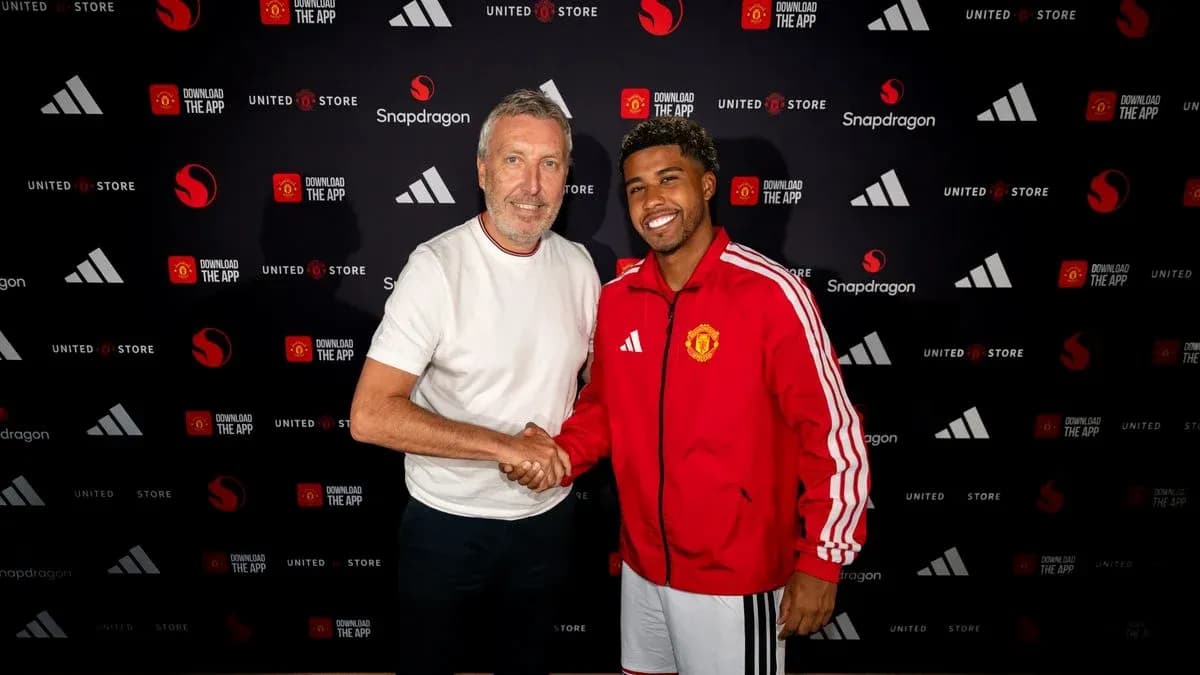
By midweek, United had three deals in the bag and two new midfielders through the door. Andrey Santos arrived first, a £50 million signing announced on Monday. Youri Tielemans followed 24 hours later for £35m. Together, they cost the same as the man United walked away from: Mateus Fernandes.
Tottenham paid West Ham £85m up front for Fernandes and backed it with a £250,000-per-week contract. United admired the player, had him on their list after missing out on Elliot Anderson to Manchester City, but refused to follow Spurs into that territory. Not on the fee. Not on the wages. Not this version of United.
That, in itself, feels significant.
Smart money, not just big money
On pure numbers, the comparison is stark. For the price of one highly rated but still unproven midfielder, United have bought two. Santos is raw, yes, but so is Fernandes. The Brazilian is not the finished article, yet Fernandes does not arrive as a fully polished star either, and his last two seasons carry the stain of back-to-back relegations from the top flight.
The potential is real with Fernandes. His underlying metrics last season placed him not far behind Anderson on key midfield measures, and that is exactly why United liked him. But Tottenham have paid top-tier money and wages for a player still climbing the ladder.
United, by contrast, have spread their risk and strengthened their core.
Tielemans brings something Fernandes simply cannot: proof. Seven and a half years of Premier League evidence. One of the division’s most consistent midfielders across that period. A player Aston Villa were desperate to keep this summer. His game is built on control and connection; few in the league have played more passes to a team-mate within three metres in recent seasons, a small detail that underlines a bigger point – he knits teams together.
At 29, he offers immediate reliability and a clear tactical tool for Michael Carrick. His range of passing is broad, his tempo management sharp, and he has operated at the heart of midfields under pressure. United are not buying a promise. They are buying a solution.
Santos, meanwhile, represents upside. A £50m investment in potential, yes, but at a price that sits comfortably below what Spurs have just committed to Fernandes alone. If either Santos or Tielemans hits their ceiling in a red shirt, United’s outlay will look even smarter. If both do, the comparison with Tottenham’s single roll of the dice becomes brutal.
A different United in the market
Not so long ago, this situation might have ended very differently. The previous regime had a habit of reacting emotionally when plans fell apart. When Frenkie de Jong slipped away, they turned to Casemiro on huge money. A fine player, but a short-term, high-cost fix that distorted the wage structure and left a heavy footprint on the balance sheet.
This time, after missing out on Anderson and then Fernandes, United did not panic. They did not chase West Ham’s valuation into dangerous territory. They did not cave to a £250,000-per-week demand that would have echoed around a dressing room where the club is actively trying to reduce the wage bill.
Instead, they pivoted. Quietly, quickly, and with a clear idea of value.
Inside Old Trafford, there is a growing conviction that the market still offers good deals if you look hard enough and refuse to be dragged into auctions. Landing Santos and Tielemans for the same combined fee Spurs paid for Fernandes will be held up internally as evidence that the new approach works.
Lessons from Amorim and a course correction
This is the same board that has taken heavy criticism in recent months, not least over the Ruben Amorim episode. The appointment was a mess from the start and the numbers are damning. In Premier League terms, Amorim posted the worst win ratio of any United manager in history, conceded more goals per game than any of his predecessors, and produced the lowest clean sheet ratio the club has ever seen in the division.
He did some things right. Big egos were pushed aside, the dressing-room culture was challenged, and certain standards were reset. But the damage on the pitch outweighed the progress off it. United’s hierarchy deserved the flak they received for hiring such a stubborn figure who never quite fit the club’s needs.
They also deserve credit when they correct course.
Recruitment has been the clearest sign of that change. It felt last summer as though the penny had finally dropped – a move away from impulse buys and marquee names for the sake of it, towards a more coherent, data-informed strategy. This window has been trickier, with targets contested and budgets under scrutiny, yet the Santos and Tielemans deals suggest that shift was not a one-off.
There is still work to do. United want – and need – a third high-quality midfield addition before the window closes. Other areas of the squad also require attention. But when Fernandes slipped away, the response was calm and calculated, not frantic.
Tielemans and the leadership gap
Tielemans’ arrival carries weight beyond his passing statistics. Jason Wilcox, speaking after the deal was confirmed, called him “one of the most outstanding midfielders in the Premier League” and highlighted his technical level, ambition and mentality. That assessment is backed by his recent history.
He was made captain of Belgium last year, a clear endorsement from a national setup not short of senior figures. At Leicester, he took the armband in his final season, stepping into a leadership void as the club fought through turbulence on and off the pitch.
United know that feeling well. Casemiro’s departure has left a glaring hole in their leadership group. For all the criticism of his legs and his wages, the Brazilian’s presence in the dressing room and on the pitch carried authority. Someone had to replace that voice.
Tielemans will not replicate Casemiro’s style, but he can help fill that gap. He leads through responsibility: taking the ball in tight areas, dictating rhythm, talking team-mates through games. For a United side still searching for a stable identity under Carrick, that blend of technical assurance and personality is priceless.
Santos, younger and less experienced, can grow in that environment rather than be crushed by expectation. The balance of the two signings feels deliberate.
United have not won anything this week. They have not closed the gap to the very top with a single flourish. But in a market that punishes hesitation and rewards clarity, they have finally started to look like a club that knows what it wants – and what it will not pay.
If this is how the new regime intends to build, the real judgment will come not now, but in May.