Manchester United Reshapes Youth Calendar for European Focus
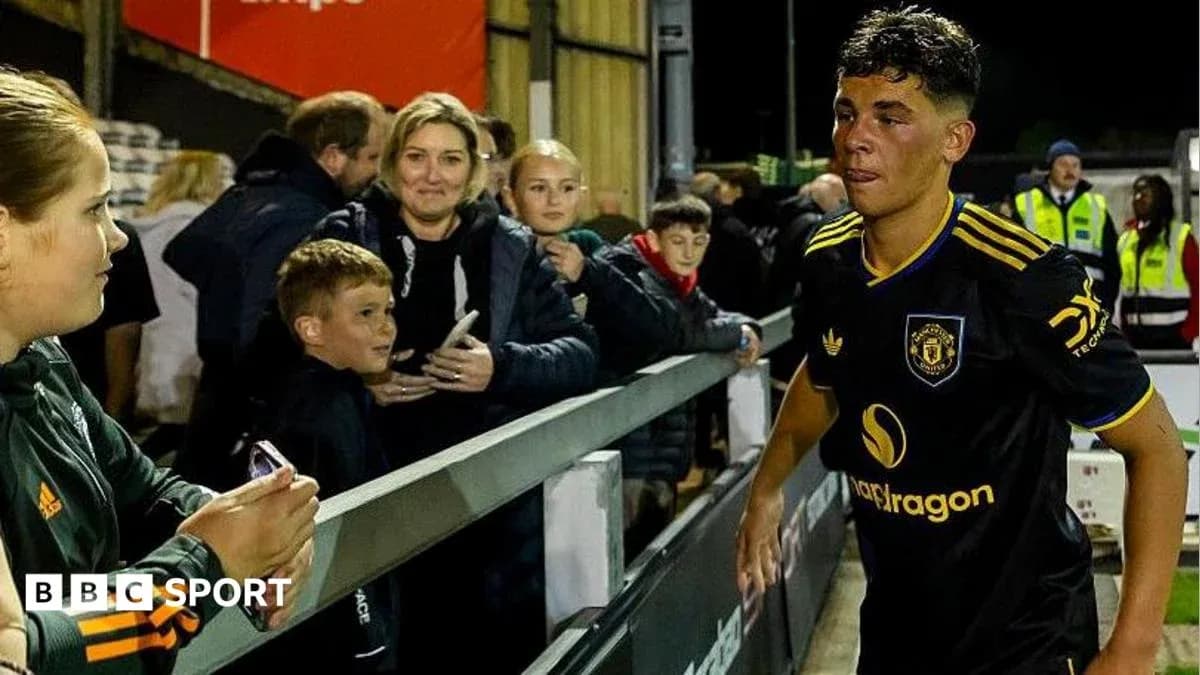
Manchester United’s academy will step away from the EFL Trophy and National League Cup in 2026-27, as the club realigns its youth programme around a return to the Uefa Youth League and a leaner development squad.
The decision marks a notable shift for a club that has spent the past few seasons testing its youngsters against senior lower-league opposition. United only entered the EFL Trophy for the first time in 2019, well after most Premier League rivals embraced the revamped format that opened the door to 16 Category One academies.
Now they are stepping back.
Europe back on the agenda
With the first team qualifying for the Champions League, United’s Under-19s regain their place in the Uefa Youth League. That competition, mirroring the senior group stage, will guarantee at least eight high-level fixtures against elite European academies.
Inside the club, that change matters. Officials point to the Youth League’s demands – travel, intensity, tactical variety – as a major factor, especially at a time when United are running a slightly smaller professional development phase group, the band of players bridging the gap between the under-18s and under-21s.
In simple terms: fewer bodies, tougher choices.
Last season underlined the strain. United’s youngsters played 10 matches in the EFL Trophy and National League Cup before Christmas alone. They failed to escape the group stage in the EFL Trophy and exited in the league phase of the National League Cup, a heavy schedule without a deep run to justify it.
The Youth League changes that equation. Fewer domestic cups, more Europe.
From “best games” to cold reality
The move comes despite strong backing for the EFL Trophy from within the club as recently as late 2024. Then Under-21s coach Travis Binnion, now promoted into Michael Carrick’s senior staff, described the competition as providing some of the “best games” for his players, a rare chance to face hardened professionals in real pressure environments.
Results, though, never quite matched the enthusiasm. United’s academy sides often entertained, but they did not progress. The club has now decided that the balance of minutes, travel and development opportunities sits more favourably with a Youth League-heavy calendar than with another campaign in the EFL Trophy and National League Cup.
United will still chase international tests. They remain committed to the Premier League Under-21 International Cup, where last season they advanced to the quarter-finals before Real Madrid ended their run at Old Trafford. That night, under the lights and in front of a sizeable home crowd, offered a glimpse of the kind of stage the club wants its prospects to grow on.
Planning beyond 2027
This is not a permanent break from the domestic cups. United have deliberately left the door open. Club officials say they will revisit the shape of the youth games programme for the 2027-28 season, once they have assessed how the trimmed schedule and European commitments affect development pathways.
By then, the size and profile of the professional development group may look different again. So might the first team’s European status. Both will feed into the next call on whether to re-enter the EFL Trophy or National League Cup.
Lawrence talks and Carrick’s imprint
Behind the fixtures list sits another key piece of the academy puzzle: who leads the Under-21s.
Talks are ongoing with Adam Lawrence over extending his stay as Under-21 manager. Lawrence returned to United after a brief spell with Newcastle, stepping back in when Binnion moved up to work with the seniors. That promotion has now been locked in following Michael Carrick’s appointment on a two-year contract.
The structure is clear. Carrick at the top, Binnion embedded in the senior set-up, Lawrence charged with shaping the next wave beneath them.
For a club that prides itself on a clear pathway from academy to first team, the decision to drop two domestic cups is more than a scheduling tweak. It is a statement about where United believe their best young players should be tested – in Europe, in targeted competitions, and under a streamlined programme designed to push quality over sheer quantity of games.
The next generation will find out soon enough whether that gamble sharpens their edge or leaves them craving the rough-and-tumble of those “best games” they are now leaving behind.