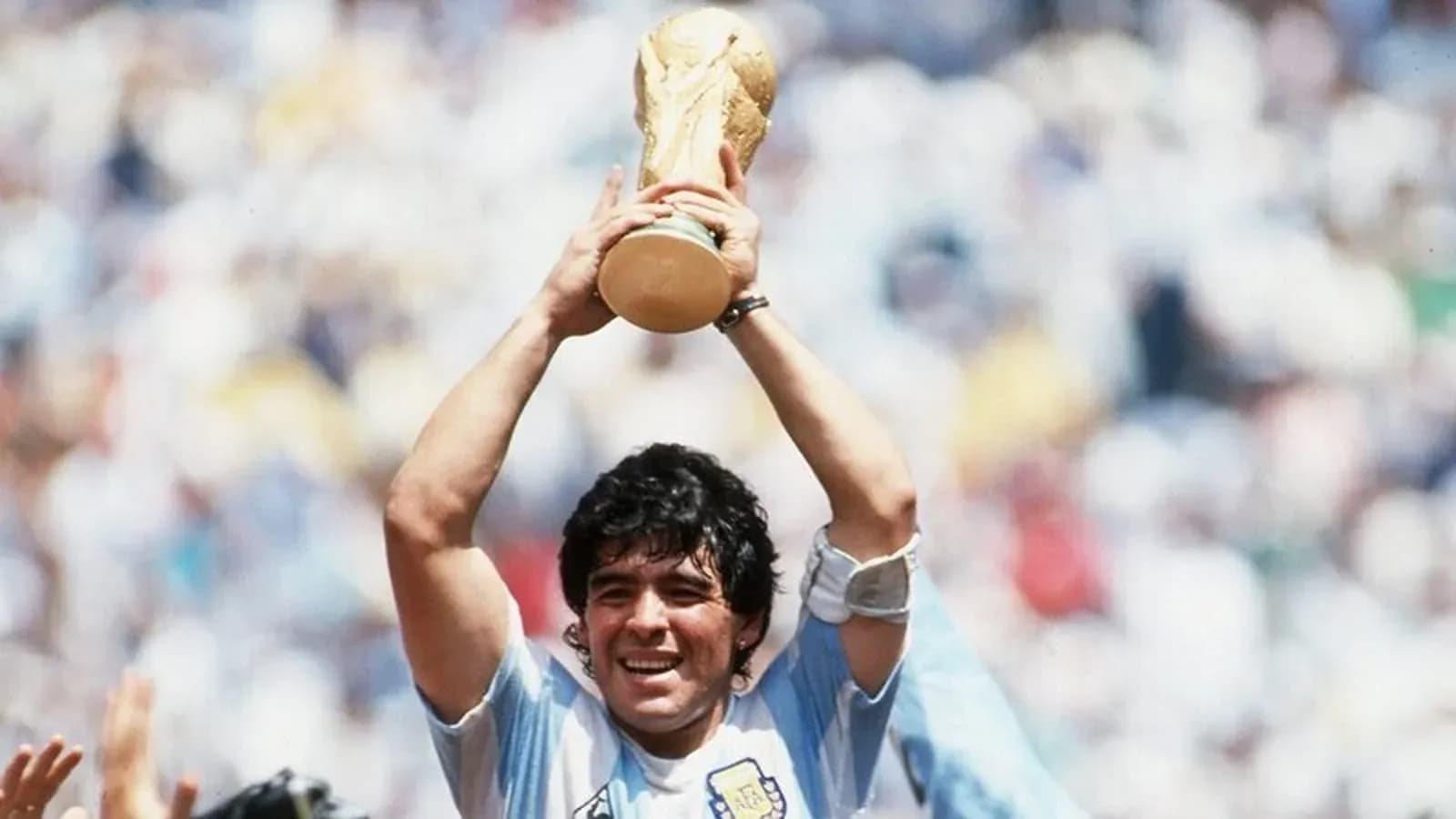
Maradona Death Trial Faces Turmoil Over Kidney Test Confusion
The trial over the death of Diego Maradona has been abruptly halted after a stunning claim that key kidney tests shown in court may not belong to the Argentina icon at all – but to his late father.
Seven healthcare workers stand accused of criminal negligence over the treatment Maradona received in the days leading up to his death at 60, in November 2020, while he was recovering from brain surgery. They deny any wrongdoing.
The case was already burdened with drama. The original trial collapsed last year after two and a half months when it emerged that one of the judges had secretly taken part in a clandestine documentary about the proceedings. That verdict was annulled, forcing everything to start again.
The new trial, which opened in April, had been edging towards its conclusion. Then the latest controversy exploded.
Kidney tests under the microscope
Defence lawyers now argue that kidney test results presented as part of the medical record were not Maradona’s, but those of his father, also named Diego, who died in 2015.
The potential mix‑up is serious enough that the court has adjourned hearings until 27 August to reassess the evidence.
At the heart of the row lies a crucial medical question. On Tuesday, a nephrologist – a kidney specialist – told the court that the condition of Maradona’s kidneys should have set off alarm bells for his medical team. According to his testimony, the football legend required “daily medical checkups, daily nursing care, blood tests and monitoring of his vital signs”.
If it is confirmed that the kidney data he and others relied on actually belonged to Maradona’s father, the credibility of the entire medical commission appointed to analyse the star’s final days could be shaken. That same commission has been fiercely critical of the care he received.
The nephrologist who testified is a member of that body.
Prosecution stands firm, defence wants closure
Despite the uproar, prosecutors insist their case remains intact. They argue that the alleged test confusion does not undermine the broader picture of how Maradona was treated in his final weeks.
“They (the defense) will not succeed in bringing down the trial,” prosecutor Patricio Ferrari declared, pushing back against any suggestion that the proceedings are fatally compromised.
On the other side, there is frustration but also a desire to reach the finish line. A lawyer representing nurse Nancy Forlini, one of the seven accused, rejected talk of seeking a mistrial.
“I want this case to end so that my client knows her judicial fate,” he said, underlining how long the process has already dragged on.
A legend’s final days under relentless scrutiny
Maradona died of heart failure and acute pulmonary edema – a build-up of fluid in the lungs – at a rented home in Tigre, on the outskirts of Buenos Aires, two weeks after surgery for a brain clot. His death sent Argentina into national mourning and triggered an immediate demand for answers.
The core allegation is simple and brutal: that the medical team entrusted with the life of one of football’s greatest figures failed to provide adequate care when he needed it most. Every chart, every test, every note has been poured over as the court tries to determine whether those failures reached the level of criminal negligence.
Now, with the authenticity of key kidney tests in doubt, the process is once again paused, the search for truth delayed but not abandoned.
When the court reconvenes in late August, it will not just be sifting through paperwork. It will be deciding how much faith it can place in the very experts asked to judge how Diego Maradona was treated in his final days – and what that means for those who stood at his bedside as the clock ran out.