Marc Skinner Departs Manchester United Women After Successful Tenure
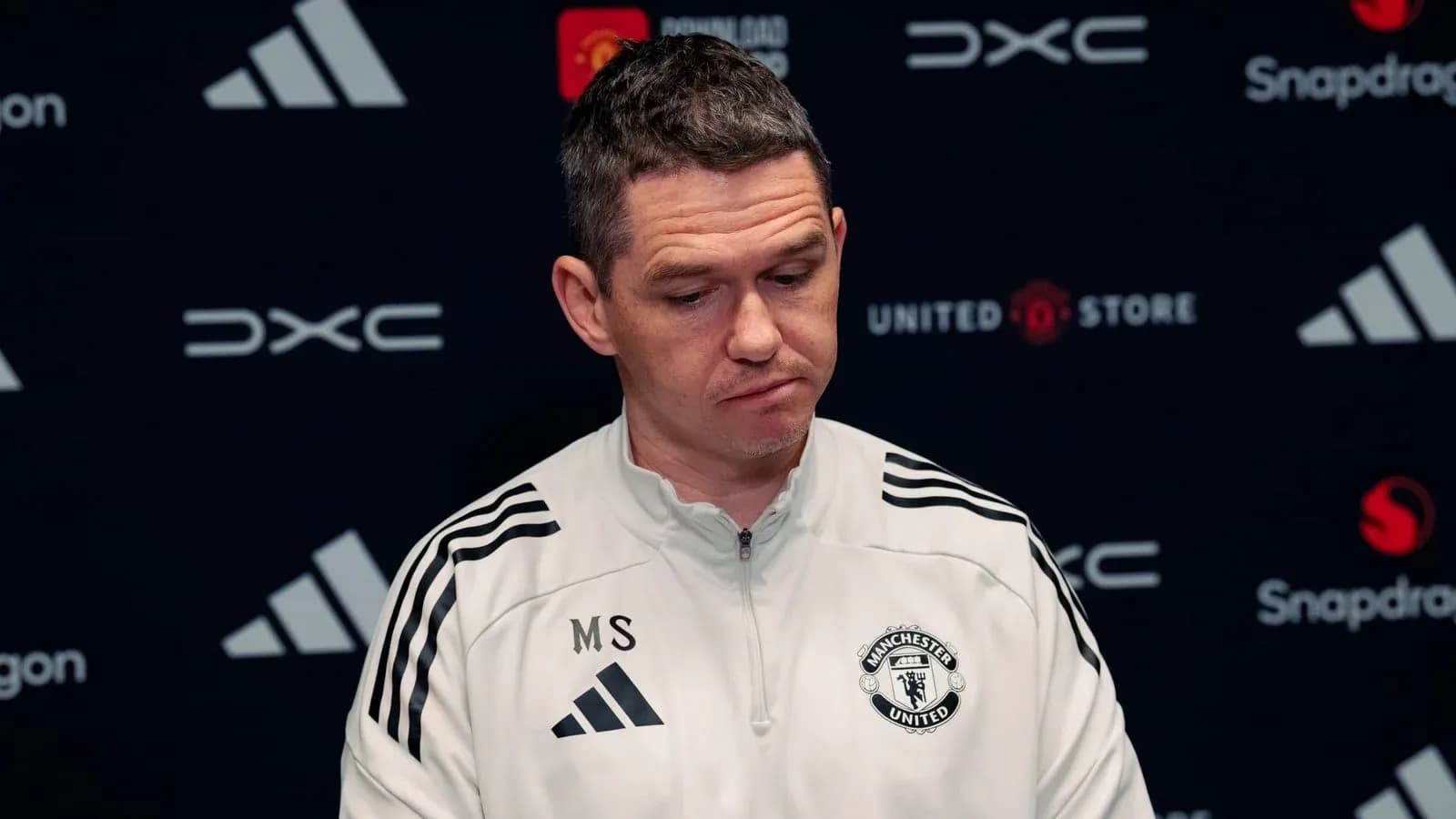
Manchester United Women are heading into a new era. One month before their new Women’s Super League campaign kicks off, head coach Marc Skinner has walked away by mutual agreement, ending a five-year spell that dragged the club into the elite and finally delivered silverware.
Skinner still had a year left on his contract. Instead of seeing it out, he steps aside with United preparing to open their WSL season away to London City Lionesses on 4 September, leaving the club with a sizeable decision and precious little time.
He arrived in July 2021, replacing Casey Stoney, and inherited a project that was ambitious but unproven at the very top level. Under his watch, United stopped being plucky contenders and started turning up on the biggest stages.
Four domestic cup finals in four seasons tell their own story. The defining moment came in 2024, when United lifted the FA Cup – the club’s first major honour in women’s football – and finally had something tangible to show for their rise.
The club’s statement on Monday was brief but pointed. “Marc Skinner has departed his role as head coach of Manchester United Women by mutual agreement,” it read, before underlining the scale of his impact. “Marc leaves having made a significant contribution to the continued progress of Manchester United Women. The club places on record its sincere thanks for his professionalism, commitment and dedication throughout his time at United, and wishes him every success in the future.”
Results back that up. In the 2022-23 season, United pushed harder than ever in the league, finishing runners-up in the WSL and, crucially, securing Champions League football for the first time in the team’s history. That breakthrough into Europe’s top competition marked a clear shift: United were no longer just building; they were competing.
They carried that momentum into the 2025-26 campaign, reaching the Champions League quarter-finals before Bayern Munich halted their run. It was a harsh lesson in the demands of Europe’s elite, but it also confirmed United’s place among them.
Last season, though, the climb stalled. A fourth-placed finish in the WSL cost them a return to the Champions League. United ended up nine points adrift of third-placed Chelsea and 15 behind champions Manchester City, a gap that underlined just how unforgiving the top of the table has become.
That backdrop frames Skinner’s exit. He leaves with a trophy, a European quarter-final and a runners-up league finish on his record, but also with the sense that the next step – turning United into serial challengers – now falls to someone else.
The club has its history-making FA Cup, a taste of Champions League nights and a squad used to operating under pressure. The question is simple and stark: who comes in now to turn that foundation into a sustained assault on City, Chelsea and the rest?