Marc Skinner Steps Down as Manchester United Women’s Manager
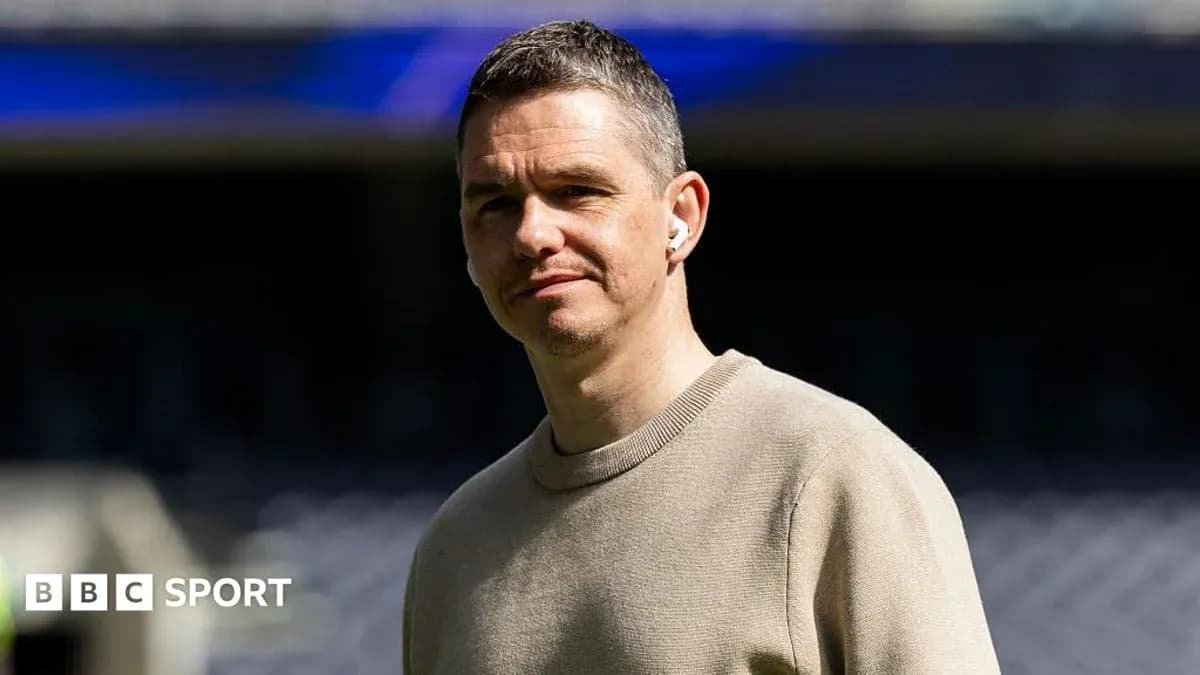
Marc Skinner has walked away from Manchester United just a month before the new Women’s Super League season, leaving a club that has never been more ambitious off the pitch yet faces mounting questions on it.
The 43-year-old departs after five years in charge, a spell that dragged United into the elite conversation and delivered something the club had never owned before in the women’s game: a major trophy. His side lifted the Women’s FA Cup at Wembley in 2024, a landmark moment that felt like the start of a new era.
Instead, it now marks the end of his.
A builder walks away
Skinner did not just coach a team; he built a project. Under his watch, United reached the Women’s Champions League group stages for the first time last season and pushed deep into domestic cup competitions, finishing runners-up in three separate finals.
They were close. Repeatedly. Just not quite close enough to turn near-misses into a sustained run of silverware.
His exit, agreed by mutual consent after talks over the summer, lands at a delicate time. United open their WSL campaign away to London City Lionesses on 4 September, under the lights at 19:00 BST, and they do so without the coach who had become the face of the women’s side.
Investment questions that never went away
Skinner had grown increasingly vocal behind the scenes about what he saw as a lack of investment in the squad. United’s summer has been quiet, almost eerily so, in a market where their rivals have moved with intent.
The club has shifted its recruitment strategy towards younger players, a long-term play designed to build a core that can grow together and keep United competitive over several seasons rather than just one. On paper, it makes sense. On the terraces and online, patience is running thinner.
Supporters have watched Manchester City, Arsenal and Chelsea strengthen again, adding depth and star power to squads already stacked with international talent. Across the league, London City Lionesses, who finished fifth last season, made one of the summer’s headline moves by signing two-time Ballon d’Or winner Alexia Putellas. Tottenham, meanwhile, lured Lyon defender Alice Sombath to north London.
Against that backdrop, United’s restraint has felt less like strategy and more like inertia to many fans.
A club changing shape
Off the pitch, there are signs of structural progress. BBC Sport reported in July that the girls’ academy will train at Carrington, the club’s main training facility, this season. That move pulls the pathway closer to the heart of Manchester United’s operations and aligns the women’s setup more closely with the men’s.
It is the kind of decision that speaks to a long-term vision. Yet it also sharpens the contrast with a first team that, in the eyes of many, has not been backed strongly enough in the transfer market to match that ambition.
Skinner’s concerns over squad investment never exploded into a public row, but they formed a clear part of the context around his departure. The club and manager held discussions during the summer and, from those talks, came the decision to part ways.
What United want next
United insist they are already deep into the process of appointing a successor. Background checks on potential candidates are said to be complete, and the profile they are chasing is clear: a coach with a proven track record of developing players.
That requirement fits the recruitment strategy. If the squad is getting younger, the next manager must be able to turn potential into performance, and quickly. The WSL is unforgiving; there is no soft landing for a club that wants to stay in touch with the country’s heavyweights.
The timing is brutal. Pre-season plans now need reshaping, players need clarity, and a new voice must step into a dressing room that has just lost the architect of its first major triumph.
United have chosen a long-term path. The question now is whether, without Marc Skinner, they can walk it at the pace the modern women’s game demands.