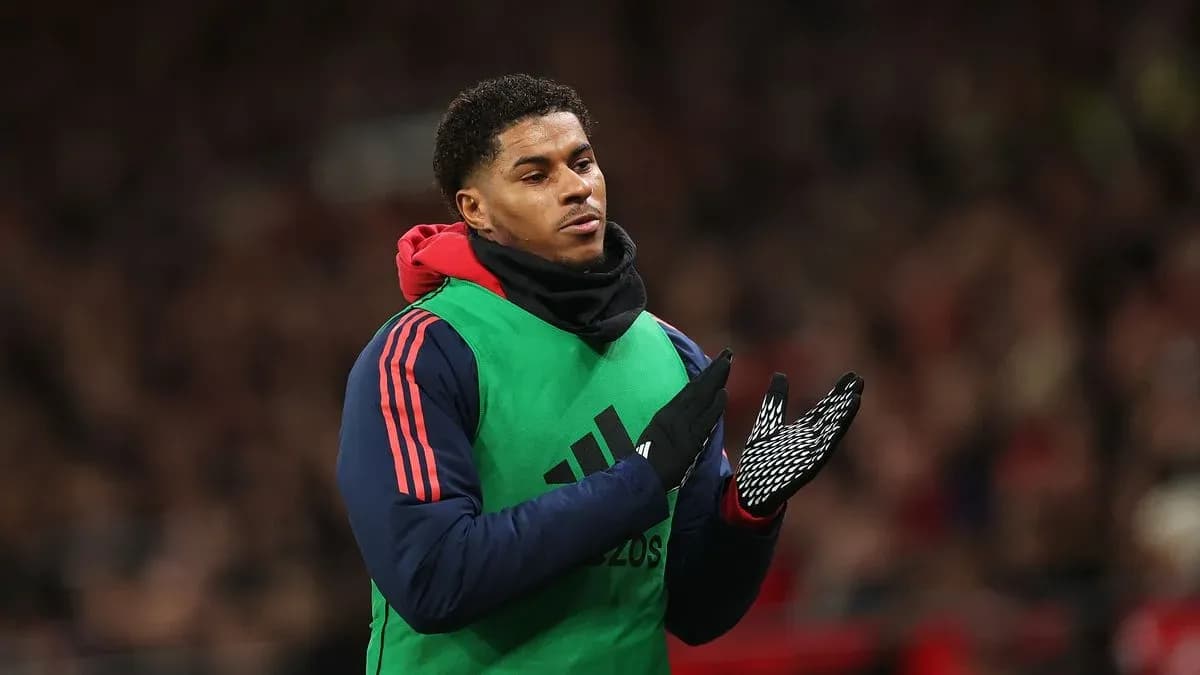
Marcus Rashford's Champions League Clause Causes Financial Strain for Manchester United
Marcus Rashford is set for a sizeable financial lift from a Champions League clause that has forced Manchester United into an awkward corner over their wage structure and transfer plans.
The England forward, who did not play a single minute for United last season while on loan at Barcelona, will see his salary jump by around £4million a year after Erik ten Hag’s side secured a top-four finish and a return to Europe’s elite competition.
Old clauses, new problems
Under United’s previous contract model, Champions League qualification alone triggered automatic wage increases for certain players. There was no requirement to hit a minutes threshold. Rashford’s deal falls squarely into that bracket.
The 26-year-old is understood to receive a 25 per cent uplift on his already substantial salary, taking him back above £300,000 per week. The bonus, worth roughly £4m annually, kicks in despite his complete absence from United’s campaign last season.
Those legacy clauses are now colliding with a stricter framework. Stung by the financial impact of missing out on the Champions League in recent years, United have changed tack. Newer contracts now demand that players feature in more than 60 per cent of the previous season’s minutes – a little over 2,000 minutes – before any Champions League-related pay rise is activated.
On that basis, Rashford and several others would not qualify. But their deals were signed under the old rules, and United are now paying the price.
Mount, Onana and the fine print
Rashford is not alone. Mason Mount, who arrived in the same summer Rashford signed his new contract, also benefits from the previous system. His clause will cost United an extra seven-figure sum in wages over the coming season, despite the midfielder playing only around half the minutes required under the new benchmark.
Andre Onana, another arrival from that window, also has the Champions League uplift built into his deal. For now, United have dodged an immediate hit because Trabzonspor are covering his salary during his loan spell. The clause still exists, though, and remains part of the wider financial picture that has made offloading him permanently more complicated.
Joshua Zirkzee sits in a slightly different category. He did not reach the new 60 per cent threshold last season, but his contract was agreed before the rule change came into force, so his wages stay flat. It is a reminder of how many overlapping regimes United are juggling behind the scenes.
Transfer plans under strain
Those details matter because United are trying to reshape their squad while operating under tight financial constraints. Rashford and Onana have both been made available for permanent transfers, but the club have struggled to find buyers prepared to match their salaries and absorb the embedded bonus clauses.
Rashford’s situation is particularly striking. He impressed at Barcelona, who admired his impact but ultimately declined to sign him permanently for financial reasons. United, staring at a player on a huge wage with a fresh Champions League bump and no obvious suitor, were keen to move him on.
That stance has softened. With the market cool and no acceptable offers on the table, a significant U-turn has taken shape. It now looks increasingly likely that Rashford will stay at Old Trafford, his future as much a product of contractual realities as footballing decisions.
Deals done, deals missed
All of this feeds directly into United’s summer business. The club have managed to strike what are viewed internally as smart, cost-effective deals for Youri Tielemans and Andrey Santos, adding depth in midfield without blowing open the budget.
Yet when the targets have been more expensive, the financial brakes have screeched on. Moves for Elliot Anderson and Mateus Fernandes fell away, with the overall cost deemed too steep given existing commitments and the weight of the wage bill.
The consequence is clear: United may now be unable to bring in a third midfielder, even though that had been part of the original plan. Attention is drifting instead towards a new left-back and a centre-forward, positions where the need is pressing and the squad looks thin.
The numbers behind the scenes are shaping the football in front of them. Rashford’s windfall, born of an old contract in a new financial era, underlines the tension at the heart of United’s rebuild: how do you refresh a squad when yesterday’s promises keep eating into tomorrow’s budget?