McNeil's Transfer Collapse: The Hidden Mental Health Impact
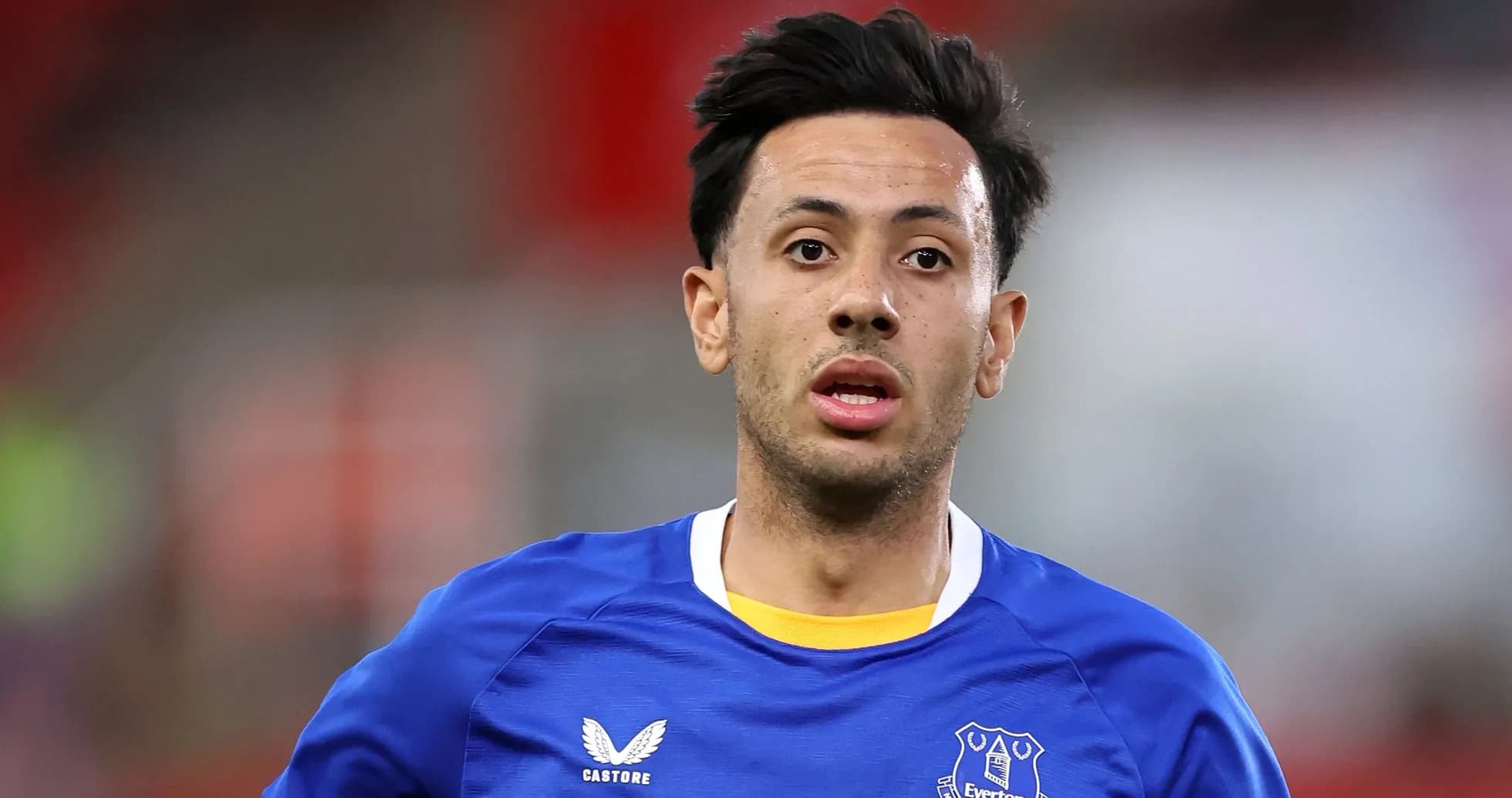
The collapse of McNeil’s proposed move to South London on February’s deadline day did more than derail a transfer. It cut deep.
What should have been a decisive career step dissolved into administrative confusion, leaving the winger’s camp stunned and embittered. The deal, expected to be completed late on, never materialised. No clear explanation. No closure. Just silence where clarity should have been.
The fallout soon spilled into public view.
McNeil’s partner, Megan Sharpley, took to social media with an emotional and pointed criticism of how the situation had been handled. Her words captured the rawness of the moment and the strain behind the scenes.
“We live in a world where everyone is aware of how big a problem mental health is. So, in football, why do we find it acceptable because these young men are on a lot of money and that's OK to mess and toy with their mental health and that it's just part of the job?
“To have something promised to you, to have been dragged along on an emotional rollercoaster and to be toyed with until the final minute. For that to be torn away from you at the last second with absolutely no explanation has hurt more than I can say.”
It was a rare, unfiltered glimpse into the human cost of deadline-day chaos. Behind the ticking clocks, the leaked negotiations and the breathless updates, a player had been left hanging, his future dangled and then snatched away in the space of a few frantic hours.
The episode raised an uncomfortable question for the sport: when the paperwork fails and the deal collapses, who is left to pick up the pieces of a player’s mental state?