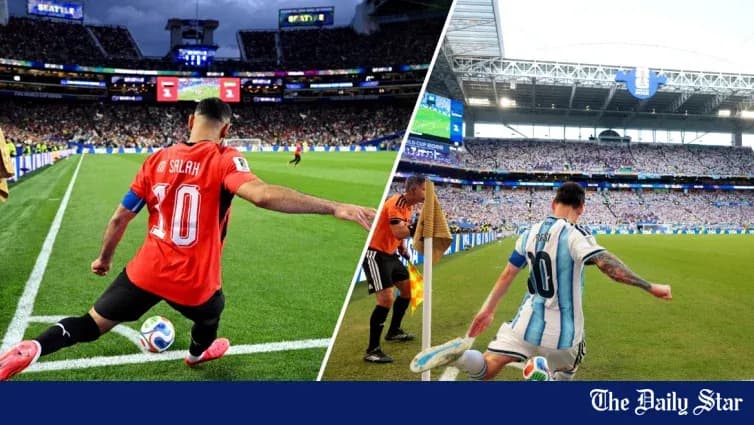
Messi vs Salah: Clash of Titans in World Cup Knockout
Two left-footed geniuses. Two exhausted teams. One ticket to the World Cup quarterfinals.
On Tuesday in Atlanta, the tournament’s reigning kings run straight into its great nearly-man. Lionel Messi versus Mohamed Salah at Mercedes-Benz Stadium is more than a last-16 tie between Argentina and Egypt; it’s a collision of eras, of legacies, of bodies pushed to their limits by a brutal schedule.
Argentina’s first wobble
For Argentina, the warning lights started flickering on Friday night.
Cape Verde, playing their first World Cup, took the holders to the edge and then a step beyond. Sixteen shots rained down on the champions. The game dragged into extra time. Only in the 111th minute did Argentina escape, and even then it needed Diony Borges to turn into his own net for a 3-2 win that felt like a narrow escape rather than a statement.
Up to that point, Lionel Scaloni’s team had glided through the group phase, looking every inch the composed, battle-hardened champions. Against Cape Verde, the control vanished. The press faltered. The legs looked heavy.
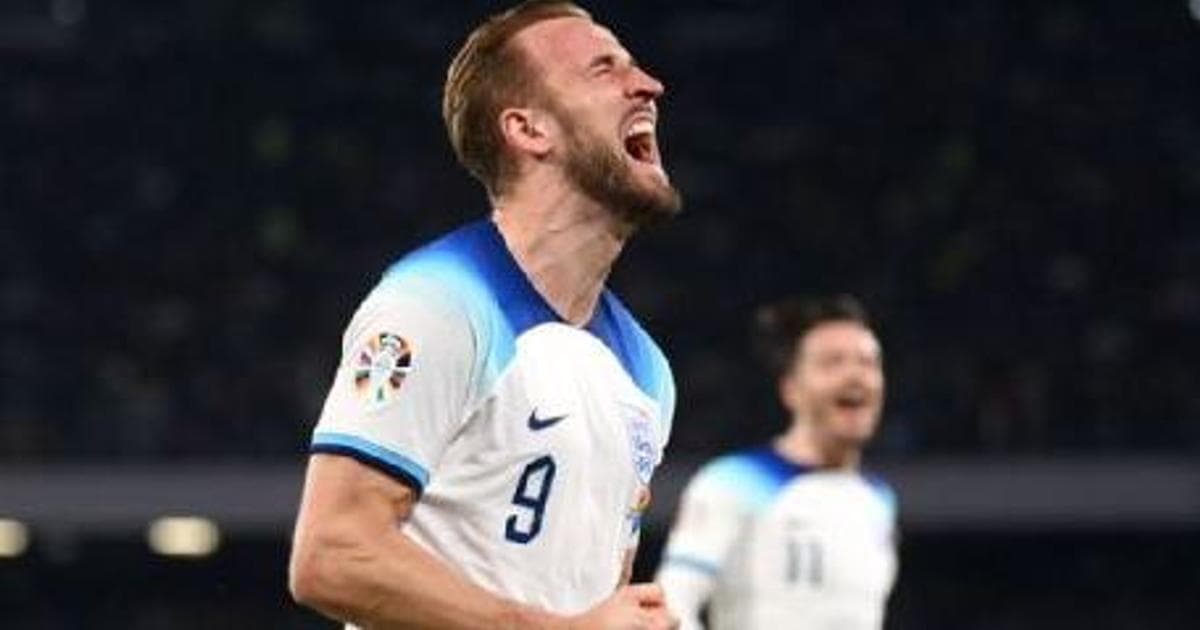
No one embodied that more than Messi. He admitted afterwards he was tired, and it showed in the way Argentina struggled to hunt high up the pitch. That’s a serious problem for a side that leans on him as heavily as ever. At 38, he remains their cutting edge, with seven of Argentina’s 11 goals in this World Cup credited to him in the team’s tally, including the own goal that helped them through.
When Messi can’t trigger the press or drift into spaces with his usual sharpness, Argentina’s whole structure feels different. Less suffocating. More human.
Bodies creaking, margins shrinking
The damage from that extra-time slog runs deeper than fatigue.
Facundo Medina limped off with severe cramp at left-back. Enzo Fernández also suffered cramp. Nicolás González stayed on despite an ankle problem, with Scaloni already out of substitutions. The morning after, the cost of survival was clear: Nahuel Molina, Fernández and Medina couldn’t complete the recovery session.
The good news for Argentina is that Medina’s issue has been played down as cramp rather than a muscular tear. Nicolás Tagliafico stands ready if Scaloni wants fresh legs at left-back. The bad news is González, whose ankle sprain leaves his involvement in real doubt and strips some thrust from Argentina’s left side.
This is where tournament football becomes as much about the physio room as the tactics board. The quick turnaround between the Round of 32 and the last 16 has turned recovery into a decisive battleground. Argentina are not alone in that struggle.
Egypt’s long wait, and Salah’s burden
Egypt arrive with their own scars from 120 minutes of tension.
Against Australia, the Pharaohs went the distance and then some, locked at 1-1 before finally prevailing 4-2 on penalties. That shootout win sent them into the last 16 for the first time in 92 years – a staggering wait for a country so steeped in football.
They did it the way Egypt so often do on the big stage: compact, disciplined, patient. Then, when the ball turned over, they looked to their stars. Salah and Omar Marmoush on the break, carrying the hopes of a nation every time they crossed halfway.
That plan will not change against Argentina. The shape will be tight, the lines narrow, the risk measured. The gamble lies in Salah’s body.
He came into the Australia tie with a hamstring concern and, at times, you could see the hesitation. The reluctance to open up fully, to sprint at absolute top speed in yet another draining 120-minute contest. Even at something less than 100%, he remains Egypt’s reference point, the man everyone else orbits.
A fully fit Salah against a tired Argentina back line would tilt this tie in intriguing ways. The question is how close he can get to that level on such short rest.
Cape Verde’s blueprint, Egypt’s belief
Egypt will have watched Cape Verde’s audacity with real interest.
The World Cup debutants refused to be cowed by the champions, pressing bravely, taking shots early and often, and exposing the fragility that creeps into even the best teams when the schedule bites. Sixteen attempts on goal against the holders is not an accident; it’s a template.
Egypt won’t mirror that approach exactly. Their strength lies in organisation first, risk second. But they will have seen that Argentina can be rattled if you force them to run backwards, if you drag that midfield into long, open transitions and ask Messi to defend as much as he creates.
For the Pharaohs, this is not just a free hit. It’s a rare chance to turn a historic qualification into something far bigger, against the most glamorous opposition imaginable.
Masters of the long game
Yet when matches stretch beyond 90 minutes, history leans heavily in Argentina’s favour.
Across all World Cups, they have gone to extra time 12 times and emerged on top in 10 of them. Four of those wins came before a shootout was needed, six on penalties. This is a team, and a football culture, that knows how to suffer, how to bend without breaking when the clock turns red and the legs scream.
That matters in a tie like this, with both sides coming off 120-minute marathons and little chance to recharge. If the game drifts into another long night, Argentina’s sense of inevitability in extra time becomes a weapon of its own.
Messi, Salah and what comes next
Strip everything else away, and the story still circles back to those two left feet.
Messi, the defending champion chasing one more deep run at 38, dragging a weary but battle-tested squad behind him. Salah, the icon who has carried Egypt for a decade, finally standing in a World Cup knockout tie with a chance to knock out the holders.
Somewhere between those narratives lies the path to Kansas City, where Switzerland or Colombia await on July 11.
One genius will move on. One will go home, spent, wondering how many more chances the game will offer.