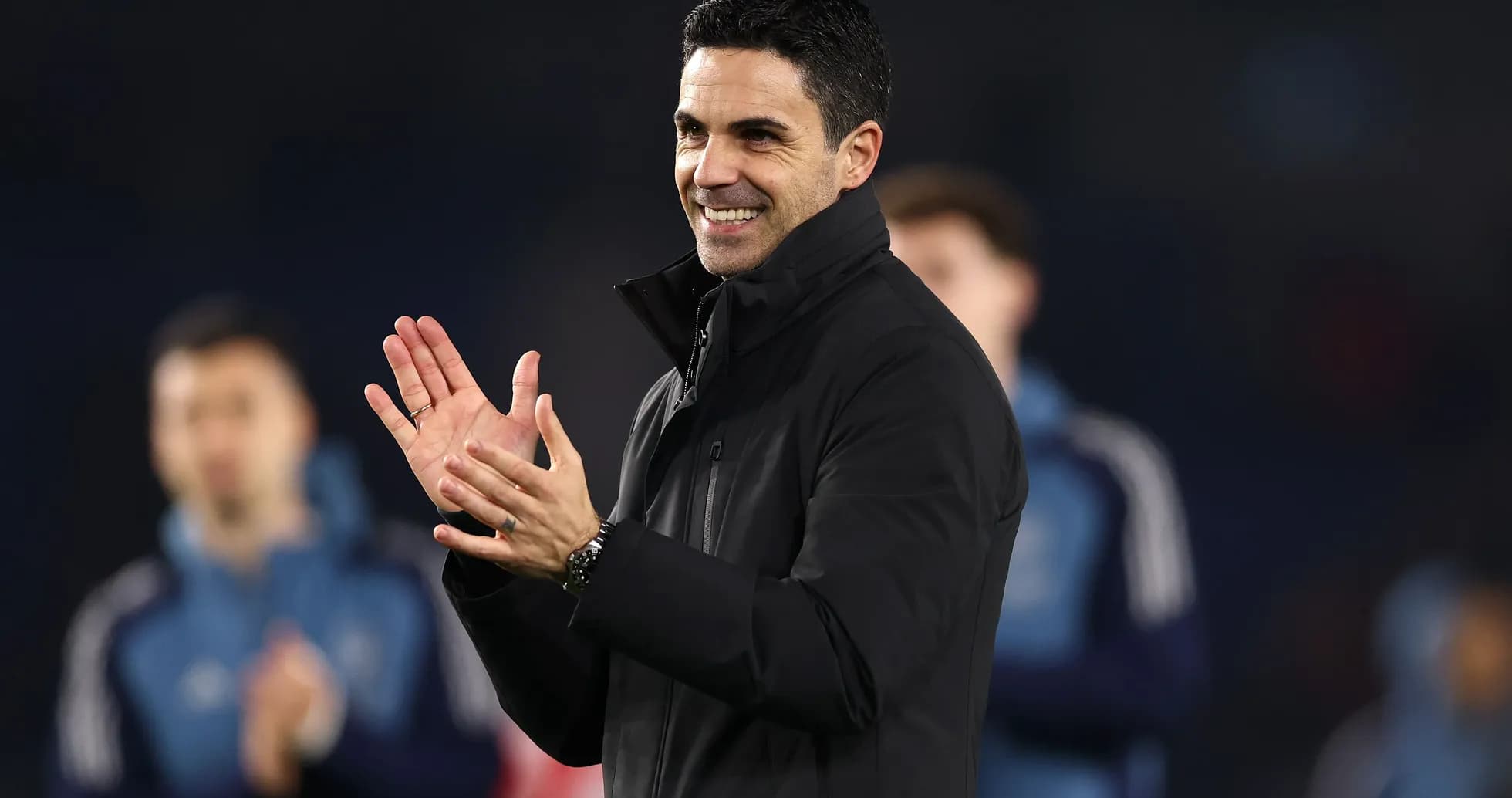
Mikel Arteta Reacts to Premier League Towel Ban and New Rules
Mikel Arteta has bristled at a new Premier League clampdown that will stop his Arsenal side from using towels to dry the ball before throw-ins – a small detail, but one that cuts right into a key weapon of his set-piece armoury.
Last season, the Gunners leaned heavily on the long-throw ability of Ben White and Declan Rice in advanced areas. Those launches into the box were often carefully prepared, ball wiped, run-up measured, chaos engineered. Now, that ritual is gone.
“Not being able to use the towels is already a big one,” Arteta said in his pre-season briefing, half-smiling as he weighed up how to replace a marginal gain. Then came the joke, masking a genuine irritation: “Let’s see what we do. Maybe we will play with hats on!”
Towels gone, time-wasting in the crosshairs
The towel ban sits inside a sweeping effort by English football’s authorities to squeeze more actual football into the 90 minutes. The message is blunt: less faffing, more playing.
Previously, towels were a murky area, allowed only if both clubs agreed before kick-off. That uneasy truce blew up last season when Riccardo Calafiori tried to dry the ball near the Newcastle United goal. Referee Jarred Gillett stepped in, removed the towel, and sparked a debate about consistency and common sense.
That grey area has now been wiped away. Players will no longer be able to stand on the touchline, ball in hand, carefully drying it before hurling a long throw into the penalty area. Critics argued those routines slowed the game to a crawl and turned every throw-in into a mini set-piece conference.
The Premier League has decided enough is enough.
Countdowns, substitutions, and no more “tactical” injuries
The towel ruling is only one piece of a much stricter framework being rolled out.
Goal-kicks and throw-ins will now be governed by visible countdowns, designed to stop teams from dragging their feet over restarts. Substitutions will be tightly marshalled into defined windows, cutting down on late-game disruption.
The treatment of injuries is being overhauled too, with a clear target: those suspicious stoppages that arrive just when a team needs to catch its breath or kill momentum.
From this season, any outfield player who receives treatment must remain off the pitch for at least one minute. The twist comes with goalkeepers: if a keeper needs medical attention, one of his outfield teammates must also leave the pitch for a minute. No more using the man in gloves as a shield to halt the game while everyone else regroups.
Arsenal have not been immune to accusations in this area. Brighton boss Fabian Hurzeler publicly called out David Raya after the goalkeeper went down three times in a narrow 1-0 Arsenal win, hinting at gamesmanship rather than genuine injury.
Those days, the league hopes, are numbered.
Arteta’s balancing act: irritation and intrigue
Arteta cuts a figure who is both annoyed by the loss of a marginal edge and intrigued by the tactical puzzle the new rules create.
“We have had the Premier League and the referees there with us to explain and go through everything,” he said. The briefings have been detailed, but the true test, he knows, will come when the whistle blows for real.
“We will have to see when the season starts and how this unfolds and what is more doable and what is less doable and what we need to adapt,” he added, underlining that every restart, every countdown, will now be part of the tactical landscape.
He is under no illusions about the stakes. “We know that everybody is paying so much to the details, all the restarts and the countdowns, that will bring something else, a different dynamic, different momentum.”
Arteta insists he likes the principle behind the overhaul. “They are really good rules because what we are doing is trying to promote more game time and the fluidity of the games which is better and hopefully that will work.”
So Arsenal, a side built on structure and detail, must now rework some of those details. No towels. Less time to breathe over a restart. Stricter scrutiny on every stoppage.
For a coach who thrives on fine margins, the challenge is clear: can he turn a clampdown designed to strip away advantages into just another edge for his team?