MLS Aims to Capture World Cup Momentum
“Thanks world, we’ll take it from here.”
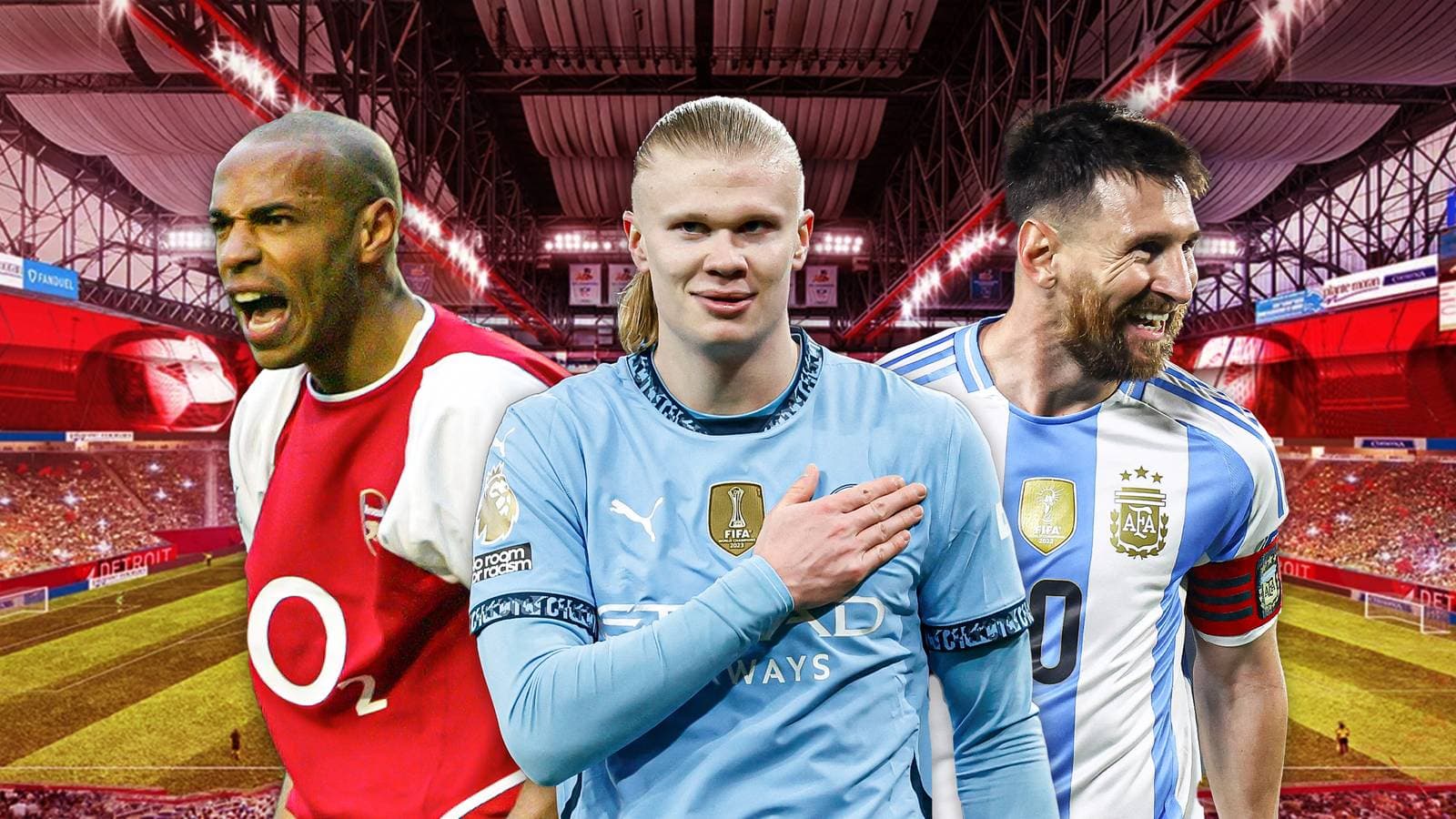
That’s the line, delivered by Lionel Messi, Son Heung-min, David Beckham and a cast of MLS stars in a glossy new campaign aimed squarely at the millions of fresh converts the World Cup has just created. The message is blunt: you’ve fallen for football – now come and find it in your own backyard.
The film rolls out World Cup names now plying their trade in the United States, inviting fans to stay with them as the MLS regular season kicks back into gear. To sweeten the offer, the league is dangling free tickets in front of newcomers. This is not a soft sell. It’s a grab for hearts, habits and weekends.
“The World Cup has now exposed millions of people to Major League Soccer,” says MLS executive vice-president Dan Courtemanche, who has been with the league since before its first ball was kicked in 1996. “We’re going to continue to capitalise on that momentum.”
The question hangs over everything: could this World Cup finally shove MLS into the conversation with football’s elite leagues?
From 10 teams and borrowed grounds to a 30-club behemoth
MLS itself is a child of a World Cup. As part of the United States’ successful bid to host the 1994 tournament, Fifa insisted the country establish a professional league. Two years later, MLS kicked off with 10 teams and not a single purpose-built stadium.
Three decades on, the picture is unrecognisable. The league has grown to 30 clubs, with almost as many football-specific grounds carved out of the American sporting landscape. What once felt like a risky experiment now looks like a fully fledged national footprint.
The World Cup has only sharpened that sense of momentum. Dire warnings about half-empty stadiums and prohibitive ticket prices never materialised. Grounds were packed, the television numbers surged, and the party carried on even after the USA’s exit.
The US team’s last-16 defeat by Belgium drew more than 33 million viewers on Fox – the most-watched football match on a single US network. England’s last-16 win over Mexico went even bigger: a combined 45 million people watched in English and Spanish across Fox and Telemundo, making it the most-watched football game in US history.
Those numbers live in the same neighbourhood as the NFL’s regular-season blockbusters, even if they still trail the colossus that is the Super Bowl. In 2025, the most-watched Super Bowl ever pulled in 127.7 million viewers across English and Spanish broadcasts and streaming, helped along by a Kendrick Lamar half-time show that attracts plenty of people who barely glance at the score.
For MLS, which has shown steady growth over 30 years, the target is clear: stop being a curiosity and start being a peer to Europe’s biggest competitions.
“I think we’re looked at as the top, one of the top leagues commercially,” commissioner Don Garber said at a recent MLS event on the league’s future and the World Cup legacy. “We’ve cracked that code. Now we’ve got to crack the rest of it.”
From “retirement home” to launchpad
On some fronts, MLS already sits at the grown-ups’ table. Forty-five MLS players took part in the 2026 World Cup, including two in the final for Argentina: Messi and Rodrigo de Paul.
The old jibe is familiar: MLS as a retirement village for fading superstars, a sun-drenched final pay cheque for the likes of Beckham and Messi after European glory. Courtemanche insists that label no longer fits. The average age of new international arrivals is now 23.8 years. Many still dream of a move to Europe, but they’re starting that journey in the US, not ending it.
The league is also reshaping itself structurally. In 2027, MLS will shift to a summer-to-spring calendar, mirroring Europe’s schedule and smoothing the pathway for transfers in both directions. It’s a technical change with a clear intent: make MLS part of the same ecosystem, not an awkward outlier.
The work goes deeper than calendars. Club owners and league bosses are pouring money into youth development, trying to turn the world’s biggest youth sports market into a conveyor belt of professional talent.
Every MLS club now runs its own academy. At an LA Galaxy viewing party for the USA’s win over Bosnia-Herzegovina, dozens of children barely glanced at the big screen. They were too busy playing on three small pitches, darting in and out of tackles, only sprinting over to the broadcast when the roar of a goal rippled through the crowd.
In a country where children’s lives are usually carved into schedules and car-pool runs, these free-flowing pick-up games felt rare – and the standard was strikingly high. Some of the kids were already in MLS youth setups.
Eight-year-old Landon – named after US legend Landon Donovan – was one of the standouts, happily switching from goalkeeper to centre-forward. His mother, coach Jen Wing, says her children attend MLS camps and play for travel teams back home in New Jersey. Landon doesn’t hesitate when asked about the dream: he wants to be a professional in MLS.
“LAFC,” he says, without blinking.
The pay-to-play problem
The optimism has its sceptics. Critics argue MLS will never truly compete with Europe until it tackles the country’s entrenched “pay-to-play” culture.
At the very top, MLS academies operate like European clubs: training and development are free for those who make it in. The barrier is getting noticed in the first place. For many families, the road runs through private coaching and elite travel teams that can cost thousands of dollars a year – a familiar story across US youth sports.
League officials insist the system is evolving. They point to scholarships at every club and constant tweaks to development leagues aimed at widening the net. Garber talks about a relentless push to produce better young players, to feed the men’s national team and to build athletes who are “better, bigger, stronger, faster”.
The ambition is clear. The question is whether the system will allow the most talented, not just the most affluent, to rise.
Messi, movie stars and money
For now, no one draws eyes like Messi. His arrival in MLS rewrote the league’s global profile overnight, and his presence remains the single biggest magnet for casual fans.
But star power runs beyond the pitch. More than two dozen entertainers and athletes have bought into MLS clubs. Will Ferrell is part of the LAFC ownership group. Reese Witherspoon is involved with Nashville SC. Matthew McConaughey is the face of Austin FC. Magic Johnson has a stake in LAFC. The league has become a playground for celebrity investors, and the returns have been spectacular.
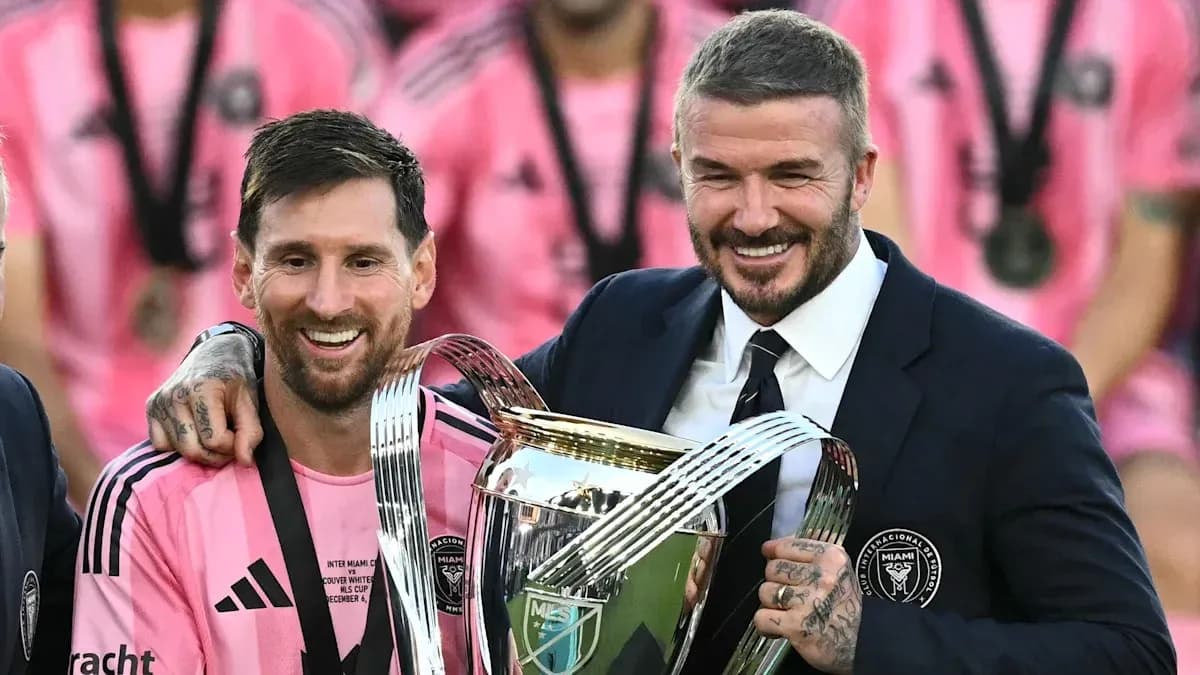
Drew Carey joined Seattle Sounders’ ownership group when the club entered MLS in 2009 for a $30m expansion fee. The Sounders are now valued at more than $900m. Beckham’s 2007 LA Galaxy contract famously included the option to buy an expansion team for $25m. That option turned into Inter Miami CF, a club now widely valued at over $1bn.
The money, clearly, believes in MLS.
Friday night lights versus Saturday morning touchlines
Yet one opponent remains stubborn: American sporting culture itself.
Brian Udovich, whose 12-year-old son Croil plays in an MLS Next Level league in Southern California, sees the crossroads up close. As boys grow into teenagers, many peel away from football towards American football, lured by the spectacle and status that still surround the gridiron game.
On Friday nights, high school football players run out under floodlights to marching bands, cheerleaders and packed stands. Their names boom over the PA, their exploits replayed on local news. Soccer, by contrast, tends to live on sleepy Saturday mornings, with parents in folding chairs and little fanfare.
“It just means so much more to other cultures than us,” Udovich says of football’s place in the American psyche.
New York Red Bulls coach Michael Bradley accepts that reality. The US, he says, simply doesn’t have the deep, generational football history that defines so many other nations. For years, that gap fed an inferiority complex – a nagging suspicion that football would always be an outsider sport in America.
That mood has shifted. The World Cup, the growth of MLS, the rise of US players in Europe, the packed bars and watch parties – all of it has given fans a new sense of ownership and pride.
“I think we can all unequivocally say in 2026, football is not going anywhere,” Bradley told the BBC.
The world has handed the ball over. MLS now has to decide how far it can run with it.