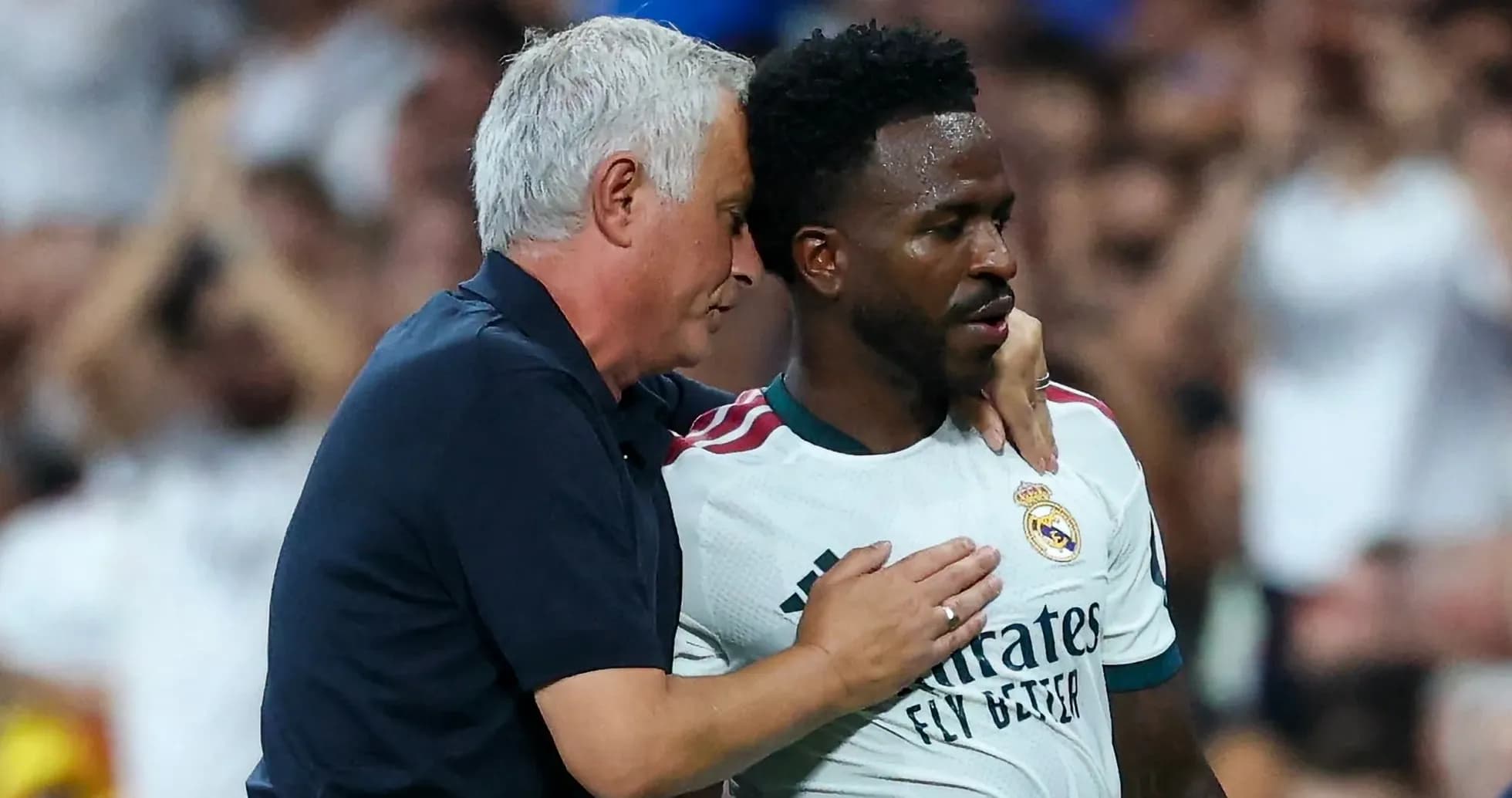
Mourinho Defends Vinicius Amid Struggles
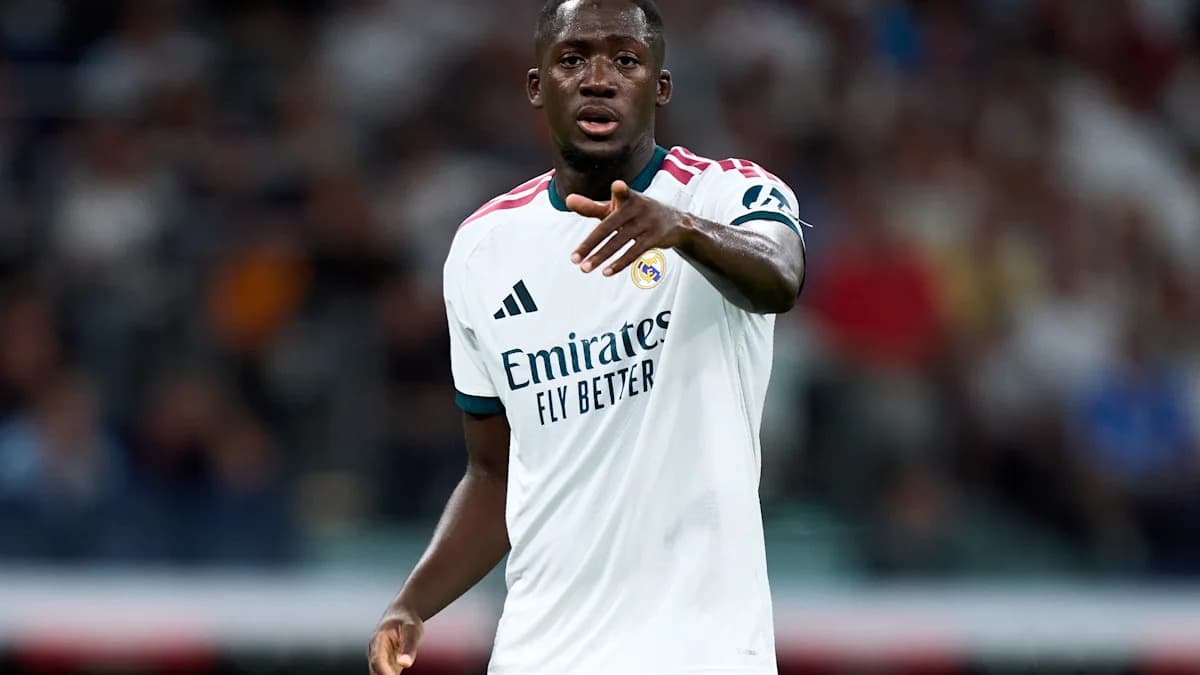
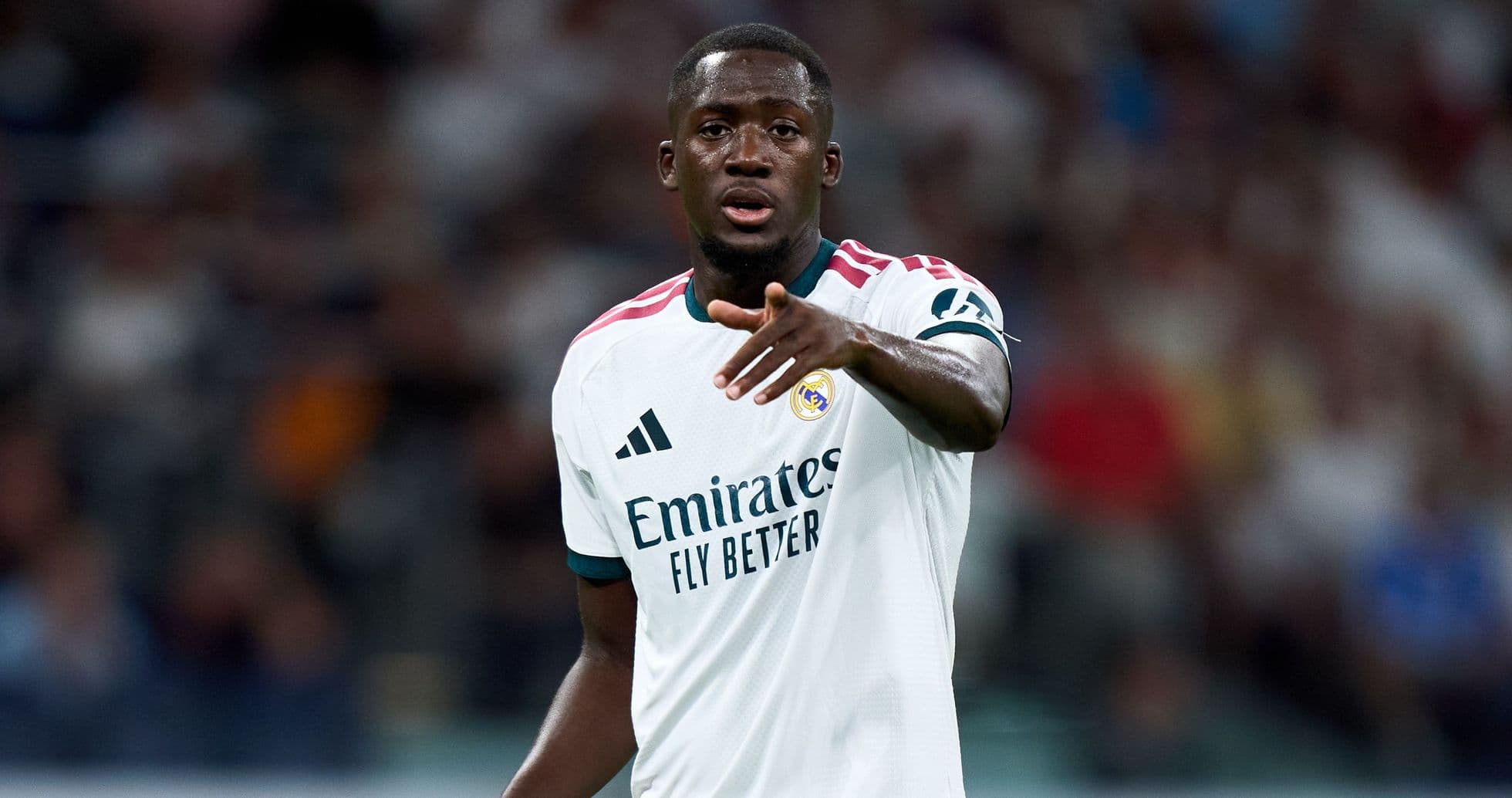
José Mourinho did not hide from the obvious. Vinicius is off his game. But in the Real Madrid manager’s eyes, that is only half the story.
Speaking after the final whistle, Mourinho openly admitted the Brazilian is short of his devastating best, while fiercely defending the winger’s work without the ball and the toll of a draining night against Inter.
“He isn't at his best, and he knows it,” Mourinho said in his post-match press conference. “But he's working hard to be the Vinicius who decides games. Without being at his best, he's working harder than ever.”
For long spells, Vinicius chased, pressed and tracked back, often starting deep rather than high and wide where he usually thrives. When those defensive runs stopped late on, Mourinho refused to read it as a lack of commitment.
“In the moments that he wasn't able to drop back and defend, it was because of fatigue,” he insisted. “I have to value that a lot. I have a lot of respect for this Vinicius. The time will come when he decides games, and wins us games.”
Mourinho backs Vinicius through difficult spell
This is not an isolated dip. It comes at the end of a turbulent period for the Brazil international, whose 2025-26 season was marked by criticism from sections of the Madrid support. The spotlight never really left him.
He responded in the summer by committing his long-term future to the club, a clear statement that he was ready to shoulder the pressure. The start of the new campaign, though, has not exploded in the way many expected: one goal and two assists from five appearances is modest by his own standards.
Against Inter, that tension was visible. The one-on-ones were there, especially down the left, the very situations that usually spell danger. The final touch, the ruthless finish, was not.
“Playing against a side that plays with three at the back, with wing-backs, it's very hard for the wingers,” Mourinho explained, pointing to the tactical puzzle his forward line faced. “Obviously with the one-on-ones he had on the left wing, with Vini at his best, he'd kill the game. That's what we expect of him. But he gave everything.”
The message was clear: the standard remains sky-high, but the trust is intact.
“If he works, he'll always have my support,” Mourinho added. “He worked very hard for the team.”
Makeshift Madrid feel the strain
The clash with Inter did more than expose Vinicius’ search for form. It laid bare the strain on Mourinho’s squad.
Suspensions to Bernardo Silva, Arda Guler and Eduardo Camavinga ripped out three key midfield and creative options, forcing the coach into an unorthodox solution. Trent Alexander-Arnold, one of the game’s most distinctive full-backs, was pushed into central midfield.
It was a gamble born of necessity, and Mourinho did not pretend otherwise.
“It's hard for Trent,” he admitted. “I appreciate the effort he made, but with his characteristics, the specificity needed to play full-back or central midfield, it's completely different physically.”
Alexander-Arnold’s range of passing and vision remained, but the geometry of the role changed. Instead of seeing the game unfold in front of him from the flank, he had to operate with opponents at his back and pressure from all angles.
“He had some losses of the ball, because it's not the same playing with the whole field in front of you, and playing with half the field behind you,” Mourinho said. “He's played there a few times with Liverpool and the national team, but it's completely different. He didn't have more to give.”
Between a star winger fighting to rediscover his cutting edge and a back line reshuffled into midfield, this was a Madrid side stretched in every sense. Mourinho’s defence of his players, though, was unflinching.
Now the question is simple and brutal: when the suspensions clear and the rhythm returns, will Vinicius be the one deciding those tight nights again?