Musiala's Collapse Diagnosis: Bayern's Cautious Approach Ahead of New Season
For the second time in four days, Jamal Musiala’s legs went from under him and a stadium fell silent.
The Germany international collapsed on the pitch during Bayern Munich’s 4-2 friendly win over Heidenheim earlier this week, just six minutes after coming on as a substitute. It followed a similar blackout against RB Leipzig in the Telekom Cup, two frightening episodes in rapid succession for one of Europe’s brightest talents.
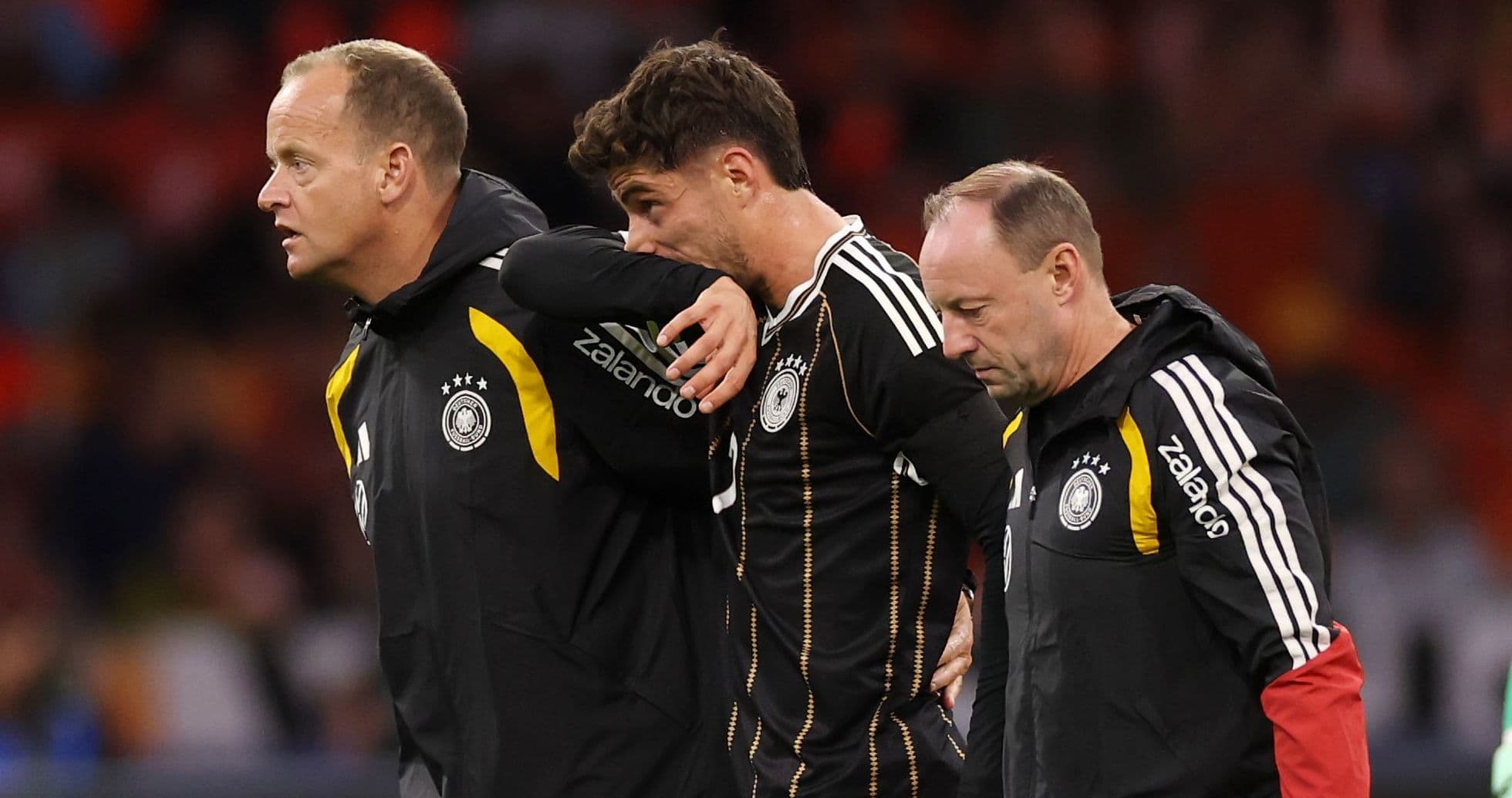
Medical staff rushed to him again, helped him from the field as he looked dazed, and sent him straight for tests.
This time, there were answers.
Musiala reveals neurological diagnosis
On Instagram after the match, the 23-year-old addressed the situation head-on. He revealed he has been “diagnosed with brief, temporary but easily treatable episodes of absence, which are caused by a neurological dysfunction.”
The phrase is clinical. The reality is simple: short, sudden lapses in awareness. Musiala acknowledged the shock among supporters but underlined that he remains “optimistic” about both his treatment and his ability to continue playing at the top level.
That optimism is shared inside Bayern.
Bayern sources play down career fears
German press agency DPA checked in with club sources, who made one point clear: there is currently no indication that Musiala’s career is in danger.
From within Säbener Straße, the message is calm rather than panicked. Those close to the situation stressed that his involvement in the last two fixtures was “completely unproblematic” and had been thoroughly discussed with medical specialists beforehand. Every minute he played came with sign-off from experts.
What Bayern have not done is put a date on his competitive return. No official prognosis, no rushed promises. Only the assurance that his case is being handled with care and detail.
What are absence seizures?
Musiala’s diagnosis relates to absence seizures, historically known as “petit mal” – a form of epilepsy. They are typically split into typical and atypical forms.
In typical absence seizures, a person suddenly stops what they are doing and appears to “switch off” for around 10 to 20 seconds. Sometimes the eyes flicker or roll upwards. Then, just as quickly, the person snaps back and resumes normal activity, often with little or no memory of the episode.
According to the Epilepsy Foundation, these seizures are caused by “brief abnormal electrical activity in a person’s brain.” They can remain undiagnosed for long periods and can also develop in adults, which underlines why Musiala’s condition only now has a name.
The Foundation notes that some people can suffer “hundreds of brief absence seizures a day.” Yet the key point for an elite athlete is this: the condition is generally manageable with targeted medical treatment and does not necessarily limit physical activity.
Bayern weigh caution against competitive edge
Bayern’s season is about to start moving quickly. The first major test comes against Borussia Dortmund at Signal Iduna Park in the German Super Cup, rebranded this year as the Franz Beckenbauer Supercup. A week that already carries emotional weight for the club now comes with an extra layer of concern and calculation.
After that, the Bundesliga title defence begins at home to VfB Stuttgart in Munich on Friday, August 28. Two fixtures, two early markers for a side chasing domestic dominance again.
Inside the club, though, the calendar will not dictate Musiala’s return. Officials and medical staff plan to proceed carefully, tracking his response to treatment and monitoring every detail before clearing him for competitive action.
Bayern know what he means to their future. The question now is not whether Jamal Musiala can play again at the highest level – the early signs say he can – but when they will decide the time is right to let him step back into the spotlight.