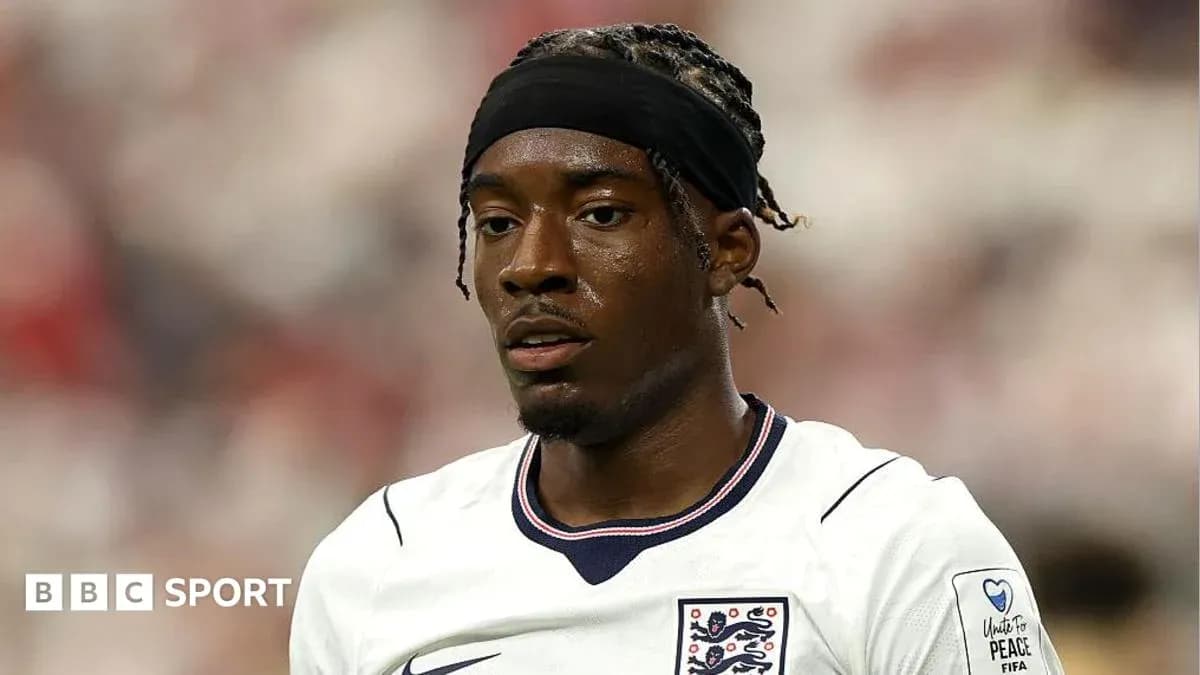
Noni Madueke: From Controversy to England's Key Player
Noni Madueke walked out in an England shirt for a World Cup opener and, for a moment, it felt like the noise of the past year had been switched off.
Twelve months earlier, his £50m move from Chelsea to Arsenal had sparked a fan petition and a #NoToMadueke hashtag that spread across social media. Many didn’t want him. Many didn’t think he was worth it.
Now he is a Premier League champion, a key part of Mikel Arteta’s first title in 22 years, and the man Thomas Tuchel trusted on the right wing as England began their campaign with a 4-2 win over Croatia.
The turnaround has been sharp, and very public.
From hashtag to headline act
Madueke’s season at Arsenal never quite looked like that of a nailed-on superstar on paper. Forty-three appearances in all competitions, eight goals, four assists. Only 16 league starts. A knee injury at a key point, and the constant presence of Bukayo Saka blocking his path on the right.
Yet when Arsenal needed a jolt in the Champions League final, it was Madueke who came off the bench to replace Saka and lit up the game, even in defeat to Paris St-Germain on penalties. Arteta had already started to trust him in big moments. Tuchel has simply followed that line.
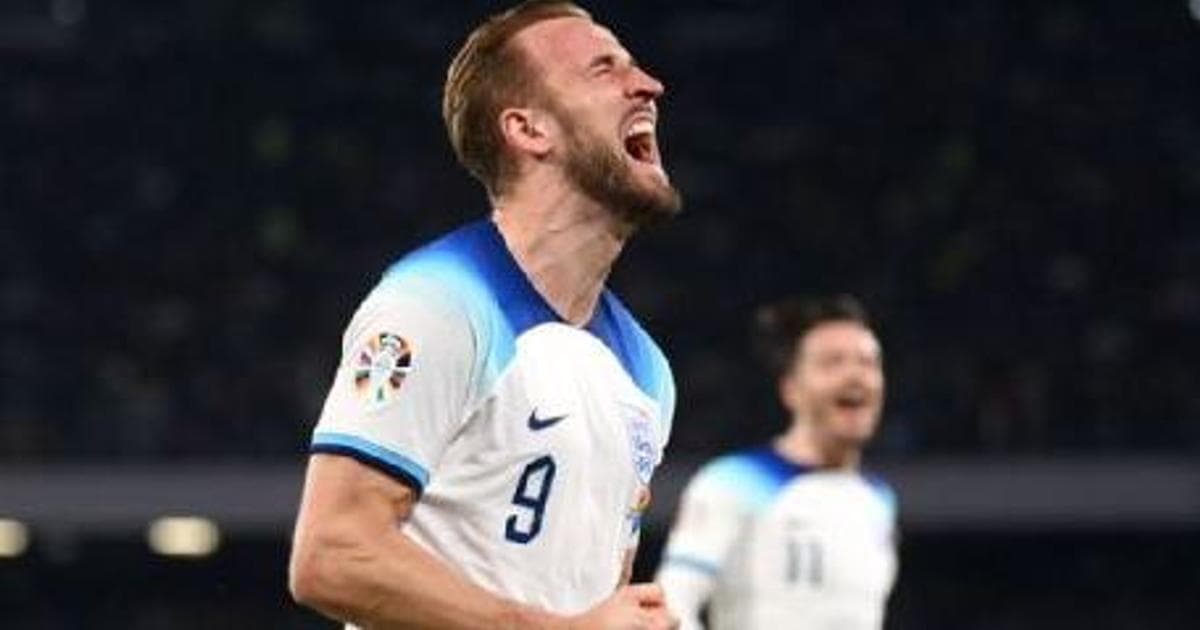
Against Croatia, Madueke was one of England’s sharpest weapons. He won the penalty that Harry Kane buried to give the Three Lions the lead, kept running at defenders, and refused to let the tempo drop. He had five touches in the opposition box, completed his only dribble, and repeatedly forced Croatia to turn and sprint towards their own goal.
This is exactly what Tuchel wants.
Tuchel’s England, Premier League intensity
From the moment he named his World Cup squad, Tuchel made his intentions clear. He wanted an England side that looked and felt like a top-end Premier League team: physically strong, aggressive runners, relentless in transition.
Madueke fits that template. So does Anthony Gordon, who started on the opposite flank. Together they stretched Croatia, pinned the full-backs, and gave Kane the freedom to do what he does best: drop off, link play, and dictate.
Tuchel has built his gameplan around England’s record goalscorer. The Bayern Munich striker is the fixed point, with wingers darting in behind to open pockets for him to receive the ball deeper. It worked. Madueke’s four passes into Kane matched Jordan Pickford for the most in the team – a neat snapshot of how often England’s right winger and their captain found each other.
Kane, given room to look up, tried to slide Madueke in behind the Croatian defence more than once. Those patterns are no accident. They’re part of a structure designed with Madueke’s one-on-one ability and straight-line running in mind, the very qualities Tuchel has publicly highlighted and labelled “difference-making”.
On this evidence, that description holds.
A “unique” duel with Saka
All of this plays out against one of the more intriguing subplots of England’s tournament: Madueke and Saka, friends off the pitch, rivals on it.
At Arsenal, they fight for minutes in the same team. For England, they’re contesting the same position. It is a rare dynamic, and Saka himself has called it “unique”, admitting he is not entirely sure how it works, “but it works”.
The bond between them is genuine. Saka calls Madueke his “brother”. That hasn’t softened the competition. Last season, Arteta solved the puzzle by finding ways to use both. Madueke saw minutes off the left, Saka drifted into a number 10 role at times, and Arsenal’s attack became more fluid as they marched towards the title.
Tuchel may be tempted to copy that blueprint as the World Cup progresses. For now, circumstances are making his decisions easier.
Saka has been managing an Achilles issue since March and, while he made his 50th England appearance in the win over Croatia, he is still being handled carefully. He is not expected to start until the final Group L match against Panama in New Jersey on Saturday.
That opens the door for Madueke again.
Another audition against Ghana
With Ghana up next on Tuesday, Madueke is likely to keep his place on the right. Another start, another test, another chance to prove he is more than just Saka’s understudy.
His role for England could end up mirroring his season at Arsenal: sometimes starter, sometimes impact substitute, always hovering close to the centre of things. If England reach the latter stages, Tuchel might lean on that versatility – the winger who can change a game from the bench or stretch it from the first whistle.
What’s changed, and what Croatia underlined, is perception. Madueke is no longer the subject of a hashtag or a petition. He is a Premier League winner, a World Cup starter, and a winger trusted to carry England’s threat on the biggest stage.
The question now is simple: with another 90 minutes likely against Ghana, does he leave Tuchel with a decision to make when Saka is finally ready to start?