Omar Artan's Journey from Airport Rejection to UEFA Super Cup Referee
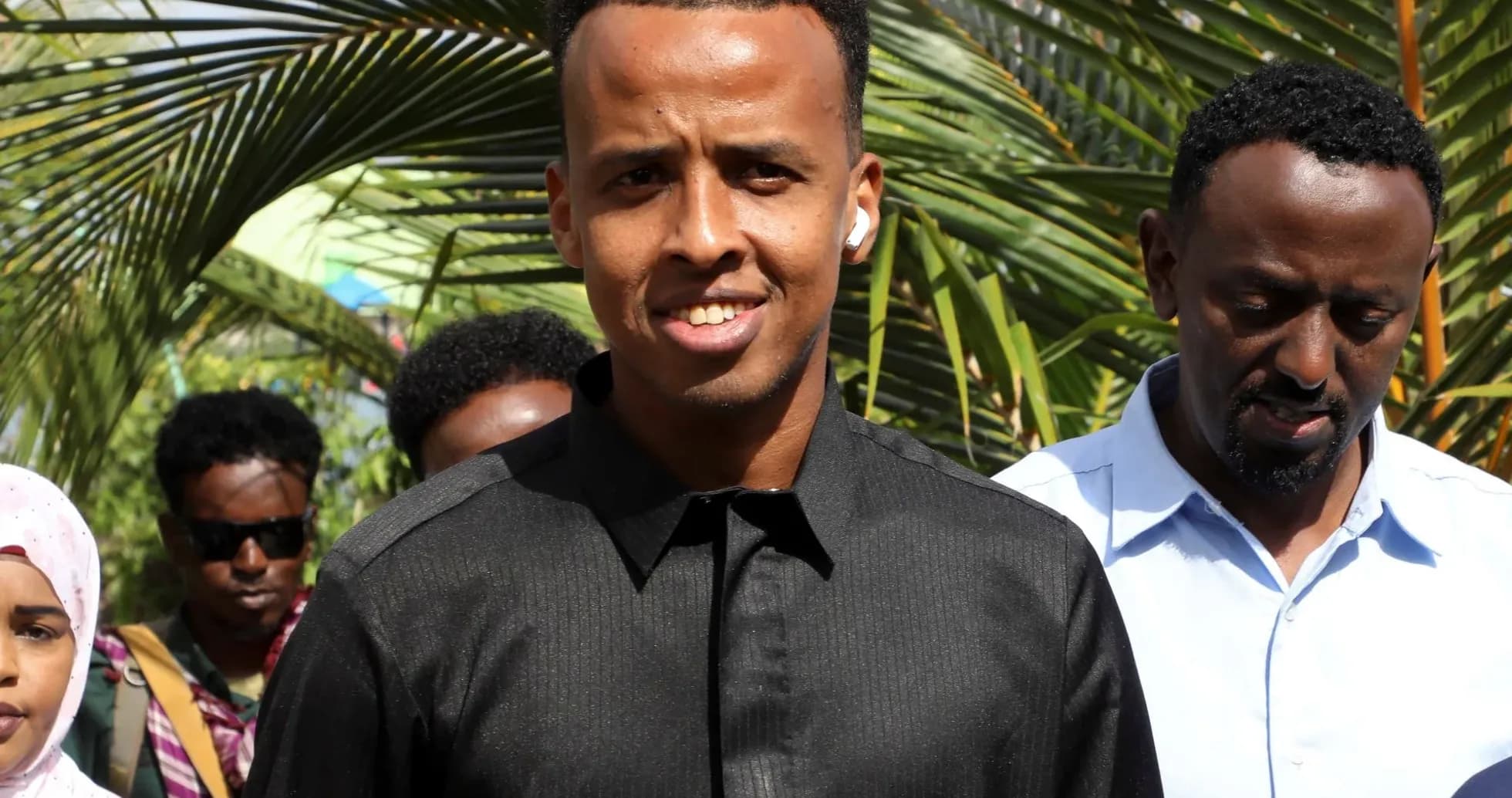
Omar Artan was supposed to stride out at a World Cup this summer. Instead, he walked back through arrivals in Mogadishu as a symbol of anger and disbelief.
On Wednesday, the 34-year-old Somali will finally get a stage worthy of his story. UEFA have handed him the whistle for the Super Cup clash between Paris Saint-Germain and Aston Villa – a showpiece usually reserved for Europe’s most established officials, now entrusted to a man who never made it past passport control in Miami.
From airport rejection to European spotlight
Artan’s name first hit global headlines not for a contentious penalty or a late red card, but for what happened at Miami International Airport. Selected by FIFA as part of the refereeing panel for the World Cup, he arrived in the United States only to be refused entry.
What followed was a diplomatic and reputational storm.
A US Department of State official told AFP that Artan was “associated with suspected members of terrorist organisations”, a designation that “made the traveller ineligible for admission to the United States”.
Artan rejected the allegations. So did his country. In Somalia, the decision sparked outrage. The referee who had been picked for football’s biggest stage was welcomed home as a wronged hero, not a security risk.
“It was a very tough period,” he told UEFA in an interview. He spoke of years of work suddenly evaporating at the moment it was supposed to pay off. “When someone has been working a lot of years and is supposed to do something, and then can’t do it, it’s very challenging.”
The World Cup went on without him. His story did not.
UEFA steps in
Gianni Infantino called it “unfortunate” and admitted FIFA “don’t control everything”. That was as far as world football’s governing body went.
UEFA went much further.
The European confederation, already locked in a deepening power struggle with FIFA, moved to give Artan a platform of its own. It announced that he would take charge of the UEFA Super Cup, the annual meeting between the Champions League winners – this time PSG – and the Europa League winners, Aston Villa.
On paper, UEFA could point to bureaucracy and partnership. At the end of April, it had signed an agreement with the Confederation of African Football (CAF) aimed at closer cooperation, including referee exchanges. Artan’s appointment, the organisation argued, flowed from that deal.
But the symbolism is impossible to miss. At a moment when relations between UEFA and Infantino are at their most strained in years, the choice of this particular referee, for this particular match, lands like a statement.
UEFA helped torpedo Infantino’s plan to open up the World Cup to private investors, leading a revolt that forced the proposal off the table. The fallout has been bitter. European officials have even floated the nuclear option: a boycott of FIFA tournaments, World Cups included, to try to push the FIFA president towards the exit.
Into that political backdrop steps a Somali referee with a story that cuts across sport, security and reputation.
A journey forged far from the spotlight
Artan is not a token appointment. His rise has been steady and hard-earned.
He became the first Somali to officiate at the Africa Cup of Nations in 2024, a landmark moment for a country whose football infrastructure has long been battered by conflict and instability. He has built his career in conditions few European referees could imagine, travelling across a region where logistics, safety and resources are constant challenges.
“I was lucky, but I have worked very hard to be here and I’m really proud,” he told UEFA. He spoke of growing up “in a difficult situation”, and of refusing to let it derail his ambitions.
Now he stands on the brink of his first match in Europe. Not a low-key qualifier on a cold Thursday night, but a glamour tie with Kylian Mbappé’s PSG and Unai Emery’s Aston Villa chasing early-season silverware.
“Having adventures, making memories and learning new things is always great,” Artan said. “When we got this call it was, for me and my family, really a very, very happy moment.”
A whistle that carries more than a match
On Wednesday, when Artan walks out with his assistants, the contest will officially be about PSG versus Aston Villa, Champions League against Europa League, star power against Premier League resurgence.
But every decision he makes will echo beyond the 90 minutes.
For Somalia, it is a moment of pride, a visible rebuttal to the suspicions that kept him out of the United States. For African refereeing, it is another step into the European arena. For UEFA, it is a carefully judged show of independence at a time when its relationship with FIFA hangs by a thread.
The Super Cup has rarely felt so political. And yet, for the man in the middle, it may simply feel like long-overdue justice – a chance, finally, to let the whistle speak louder than the accusations.