Oviedo vs Villarreal: La Liga Clash with Survival Stakes
Oviedo host Villarreal at Estadio Nuevo Carlos Tartiere in a high‑stakes La Liga Regular Season - 33 fixture that directly connects both ends of the table: the home side sit 20th with 27 points and a -24 goal difference, firmly in the relegation zone in the league phase, while Villarreal arrive 3rd on 61 points with a +20 goal difference, pushing for Champions League qualification. With only a handful of games left, this match is close to must‑win territory for Oviedo’s survival hopes and a key opportunity for Villarreal to consolidate a top‑4 berth.
Head-to-Head Tactical Summary
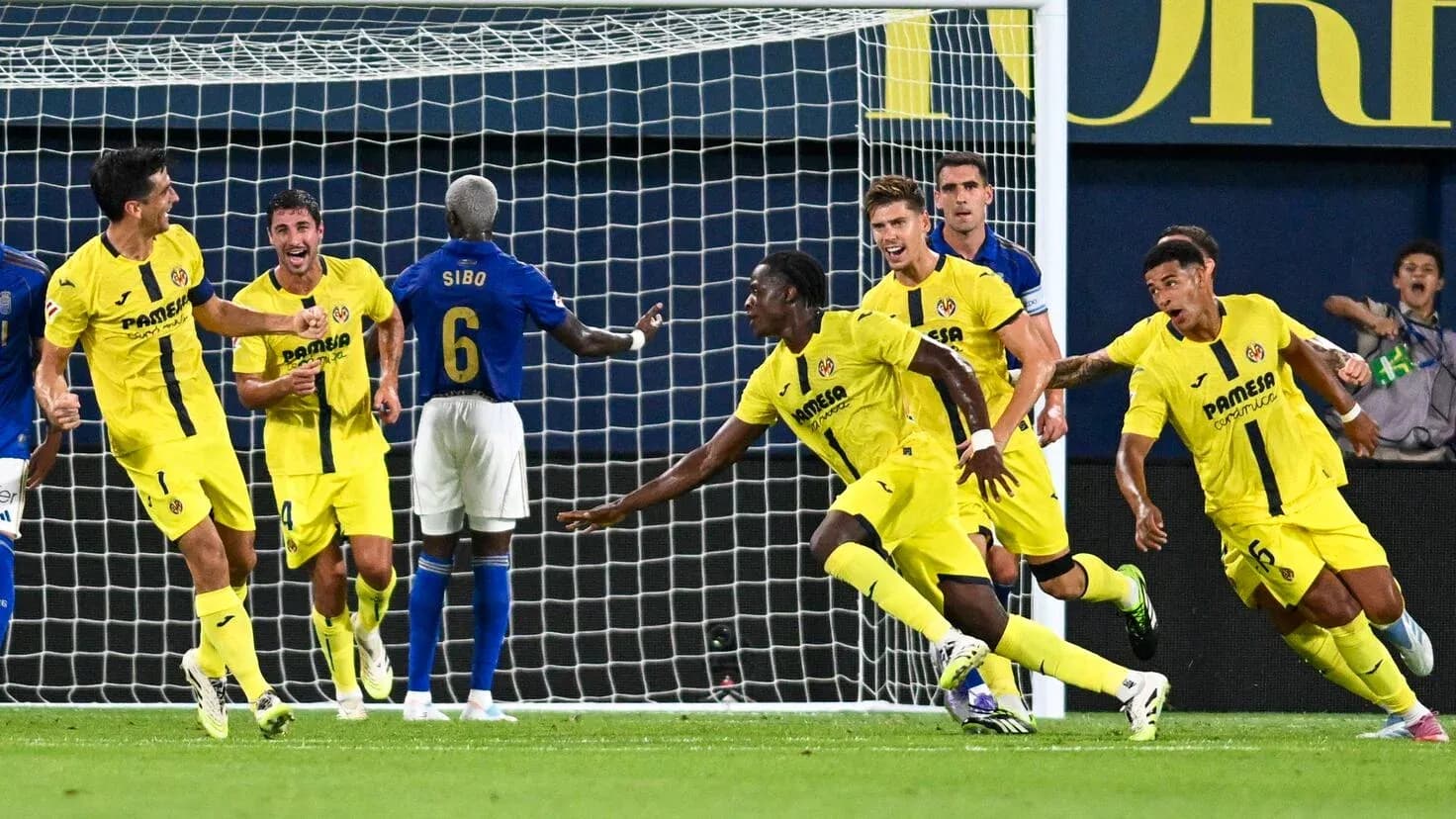
The only recent meeting in the data came on 15 August 2025 at Estadio de la Ceramica in La Liga Regular Season - 1, where Villarreal beat Oviedo 2-0. The score was 2-0 at half-time and remained unchanged to full-time, underlining Villarreal’s ability to establish control early and then manage the game without conceding.
Global Season Picture
- League Phase Performance:
Oviedo are 20th in the league phase with 27 points from 31 matches (6 wins, 9 draws, 16 losses), scoring 24 and conceding 48 (goal difference -24). At home they have 4 wins, 5 draws, 6 losses, with just 7 goals for and 14 against, highlighting a very low home scoring output (7 goals in 15 home games).
Villarreal are 3rd in the league phase with 61 points from 31 matches (19 wins, 4 draws, 8 losses), scoring 56 and conceding 36 (goal difference +20). Away from home they have 7 wins, 3 draws, 6 losses, with 22 goals for and 23 against, a profile of a strong but not invulnerable away side. - All-Competition Metrics:
Across all phases of the competition, Oviedo have played 31 matches, mirroring the league record: 6 wins, 9 draws, 16 losses. Their attack is low-volume, averaging 0.8 goals per match overall (0.5 at home, 1.1 away), while conceding 1.5 per match (0.9 at home, 2.1 away). The high number of clean sheets (9) contrasts with 16 matches where they failed to score, underlining an inconsistent and often blunt attack (0.8 goals per game) combined with a defense that is only moderately solid at home (0.9 goals conceded per game). Disciplinary data show a steady yellow-card accumulation throughout the match, with peaks between minutes 61-75 (20.83% of yellows) and 76-90 (18.06%), suggesting late-game physicality and pressure.
Across all phases of the competition, Villarreal have also played 31 matches, with 19 wins, 4 draws, 8 losses. Their attack is clearly superior, averaging 1.8 goals per match (2.3 at home, 1.4 away), while conceding 1.2 per match (0.9 at home, 1.4 away). They combine a productive offense with a reasonably controlled defense, supported by 8 clean sheets and only 5 games without scoring. Their yellow cards cluster late (61-75: 23.19%; 76-90: 26.09%), indicating that intensity and risk-taking increase as matches progress. - Form Trajectory:
Oviedo’s recent league phase form string is “WWLWD”: two consecutive wins, followed by a loss, then a win and a draw. This represents a clear uptick from their broader season pattern “LLWLLLWLLDDLDLDLDDDLLWLDLLDWLWW” across all phases, where long losing runs and sporadic wins dominated. The current mini-run suggests short-term improvement and some resilience under pressure.
Villarreal’s league phase form string “WLWDW” shows a strong but slightly fluctuating trajectory: win, loss, win, draw, win. Combined with the broader season form “WWDLWWWLDWWWWWWLWWLLDWLWWLWDWLW” across all phases, the pattern is of a team that strings together long winning sequences with occasional setbacks, consistent with a top‑3 profile.
Tactical Efficiency
Across all phases of the competition, Oviedo’s numbers describe a low-efficiency attack (0.8 goals per game, with 16 failures to score) against a defense that is relatively more stable at home (0.9 goals conceded per game) but vulnerable away (2.1). Without explicit xG or possession data, their combination of many clean sheets (9) and many goalless games suggests a conservative, risk-averse approach that often keeps scores low but limits offensive output.
Across all phases of the competition, Villarreal’s 1.8 goals scored and 1.2 conceded per match indicate a more balanced and efficient profile, with a clear attacking edge. Their ability to generate high scorelines at home (biggest home win 5-0) and solid away wins (1-3) points to an attack that can translate pressure into goals. Defensively, conceding 1.4 goals per game away is acceptable for a top‑3 side but leaves some margin for opponents, especially if Villarreal push numbers forward.
Without explicit Attack/Defense Index values from the comparison block, the season averages across all phases act as the best proxy: Villarreal’s attack is more than twice as productive as Oviedo’s (1.8 vs 0.8 goals per game), while their defense concedes fewer goals per match (1.2 vs 1.5). That gap in both phases of play translates into a significantly higher tactical efficiency baseline for Villarreal, especially if they can impose their typical attacking rhythm.
The Verdict: Seasonal Impact
For Oviedo, this fixture carries major survival implications. Sitting 20th with 27 points in the league phase and tagged for relegation to LaLiga2, every remaining home match is effectively a six‑pointer, even against a top‑3 opponent. A win would push them closer to the pack above and reinforce the positive “WWLWD” trend, potentially transforming the narrative from near-certain relegation to a live escape bid. A draw would still be valuable against a Champions League contender but might not be enough if direct rivals also collect points. Defeat, especially at home, would maintain or widen the gap to safety and could undo the psychological gains from recent improved form.
For Villarreal, 3rd place on 61 points in the league phase puts them in a strong position for Champions League qualification, but the margin for error is typically small in the top‑4 race. Winning away to the bottom side is the kind of result a serious Champions League contender must secure to keep distance from chasing teams and possibly apply pressure on the top two. Dropped points here — whether a draw or a loss — would be a significant setback: it would open the door for rivals to close the gap, and might force Villarreal into higher-risk approaches in subsequent fixtures against stronger opponents.
Overall, the seasonal impact is asymmetrical but sharp for both: for Oviedo, this is a pivotal opportunity to convert recent form into a credible survival push; for Villarreal, it is a must‑manage assignment where anything less than three points would complicate their Champions League trajectory and potentially reshape the top‑4 dynamics in 2026.