Parma vs Cagliari: Mid-Table Clash in Serie A
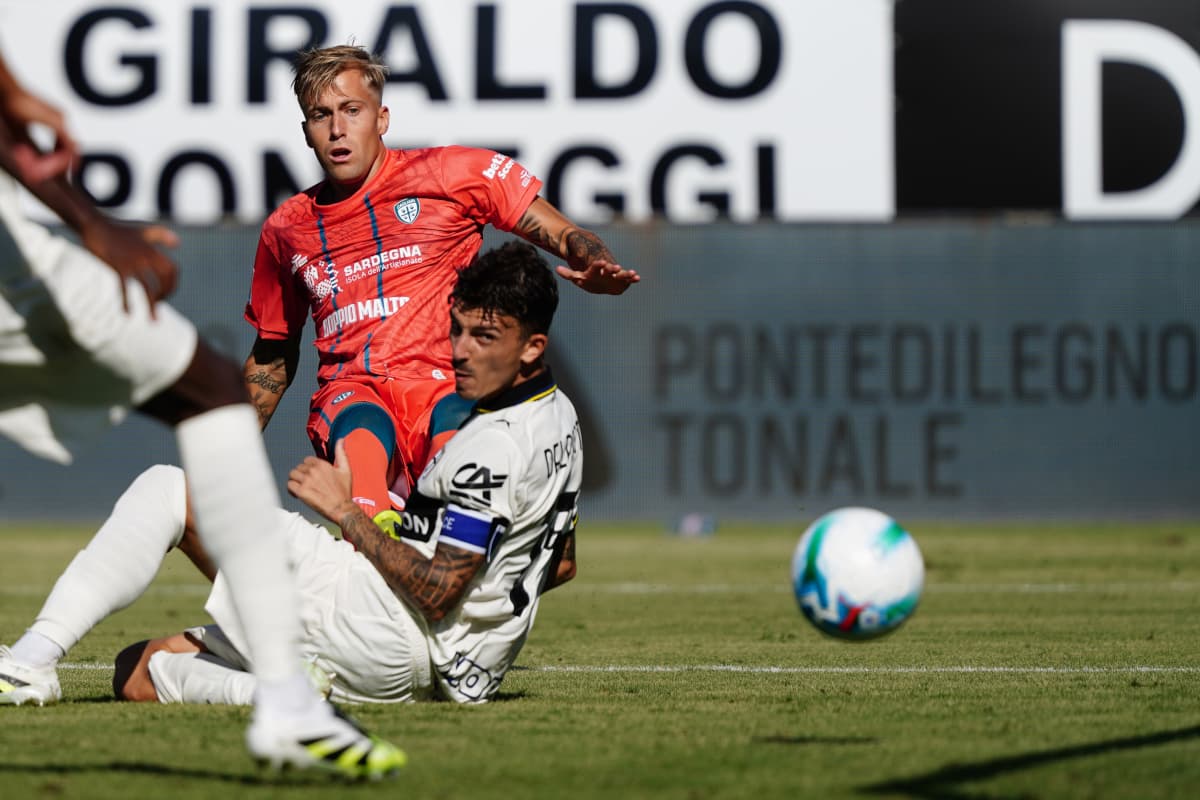
Under the lights at Stadio Ennio Tardini, Parma and Cagliari meet in a match that may not shape the title race, but could go a long way to defining their seasons. Twelfth against thirteenth, separated by just three points – Parma on 32, Cagliari on 29 – this is a classic mid‑table showdown where the prize is breathing space rather than glory. With both sides closer to the bottom than the European places, every point in late February starts to feel heavier.
Parma arrive with a curious mood: their league form line of “WWWLL” says everything about a team oscillating between promise and setback. Three straight wins have been followed by back‑to‑back defeats, halting their momentum just as they threatened to climb into the top half. Cagliari mirror that inconsistency in reverse – “DLLWW” – two recent victories after a stuttering run hint at a side finally finding some rhythm. With the margins so fine, this encounter feels like a pivot point for both campaigns.
Form Guide & Season Trends
Parma’s season has been built on stubbornness more than sparkle. Eighth wins and eight draws from 26 matches, but only 19 goals scored, underline a side that rarely runs away with games. At home, Stadio Ennio Tardini has been far from a fortress: just three wins in 13, with four draws and six defeats. Ten goals scored and 18 conceded in their own stadium tell a stark story – Parma average only 0.8 goals per home match while allowing 1.4 at the other end.
The pattern of their goals is intriguing. They are slow burners, with over a third of their strikes coming in the final quarter‑hour; six of their 19 league goals have arrived between the 76th and 90th minute. Yet they are also vulnerable at both the start and end of halves, conceding heavily in the opening 15 minutes and again late on. It has left them walking a tightrope in low‑scoring, nervy contests: only five of their 26 league games have gone over 1.5 goals, and none have passed the 2.5 mark.
Cagliari, by contrast, carry a bit more attacking punch but pay for it at the back. They have 28 goals from their 26 outings, averaging 1.1 per game, and have been more balanced home and away: 15 at Unipol Domus, 13 on their travels. Their away record, however, is fragile – three wins, four draws and six defeats, with 13 scored and 20 conceded. That 1.5 goals‑against average on the road hints at a side that can be opened up, especially late in matches where they concede heavily in the final quarter of an hour.
Like Parma, Cagliari tend to come alive as halves wear on. They have been most dangerous between 31–45 and 76–90 minutes, with eight goals in each of those windows. But defensively, they mirror Parma’s frailties: early concessions and late collapses have cost them, reflected in only six clean sheets all season. This is a meeting of two sides who do not give away many high‑scoring thrillers – both have only two league matches over 2.5 goals – yet their defensive lapses at key moments keep every contest on edge.
Head‑to‑Head History
If history is any guide, Parma will not be taking anything for granted despite home advantage. The recent head‑to‑head record is lopsided in Cagliari’s favour. The Sardinians have dominated the last three Serie A meetings, winning all of them. Earlier this season they beat Parma 2–0 at Unipol Domus, adding to a 2–1 home victory in February 2025 and a dramatic 3–2 success at Ennio Tardini back in September 2024.
That 3–2 in Parma remains a sore memory for the home fans: Cagliari led at half‑time and ultimately edged a five‑goal thriller in a stadium where goals have otherwise been scarce. Even in Serie B play‑off action in 2023, Cagliari found a way to hurt Parma, coming from 0–2 down at half-time to win 3–2 in the semi-final first leg before grinding out a goalless draw in Parma.
Across the last five competitive meetings in all competitions, Cagliari have three wins, Parma none, and two draws – one of them that tense 0–0 in the promotion play‑offs. The pattern is clear: when these two cross paths, Cagliari tend to find the big moments, and the matches themselves often carry drama, late swings and, more often than not, multiple goals despite both teams’ generally low‑scoring profiles this season.
Team News & Key Men
Parma’s task is complicated by a significant injury list that bites into their attacking options. Winger P. Almqvist is ruled out with a thigh problem, while forward M. Frigan also misses out through a knee injury. Goalkeeper Z. Suzuki is sidelined with a finger issue, and there is further uncertainty over A. Ndiaye, who is listed as questionable with a groin injury. For a side already struggling for goals, the absence of wide and forward depth could force a more conservative approach.
That places even more responsibility on their standout attacking presence, Mateo Pellegrino. The 24‑year‑old Argentine is Parma’s leading scorer in Serie A with seven goals and one assist from 26 appearances. Often the reference point up front, Pellegrino’s physical profile and work rate – 42 shots, 18 on target, and a constant duelling presence – make him the obvious focal point for any Parma threat. With so many games decided by fine margins, his ability to turn half‑chances into decisive moments will be crucial.
Cagliari arrive with their own selection headaches, and they are arguably even more severe in key areas. Striker A. Belotti is out with a knee injury, depriving them of a proven top‑flight finisher. Forward G. Borrelli is also sidelined, again with a thigh problem, while influential midfielders A. Deiola, G. Gaetano and L. Mazzitelli are all listed as missing through injury. At the back, experienced defender Y. Mina serves a suspension following a red card, stripping Cagliari of leadership and aerial strength in defence.
The cumulative effect is a Cagliari side that may have to improvise both in the spine and in attack. Without Belotti and Mina in particular, they lose their most natural penalty‑box striker and one of their most commanding centre‑backs. It may tilt their game plan towards a more cautious, counter‑attacking setup, looking to exploit Parma’s early‑game nerves and late‑match openness rather than engage in a high‑tempo exchange.
This has all the makings of a tight, tactical contest between two sides whose seasons have been defined by inconsistency and narrow scorelines. Parma’s home struggles and blunt attack are offset by Cagliari’s defensive frailties on the road and a raft of key absentees. Expect long spells of cagey play, with the match likely decided in those familiar late‑game swings where both teams tend to score and concede.
With home support behind them and slightly fewer structural absences, Parma look marginally better placed to edge a low‑scoring, nervy encounter – but Cagliari’s recent dominance in this rivalry means another twist in this mid‑table story would surprise nobody.