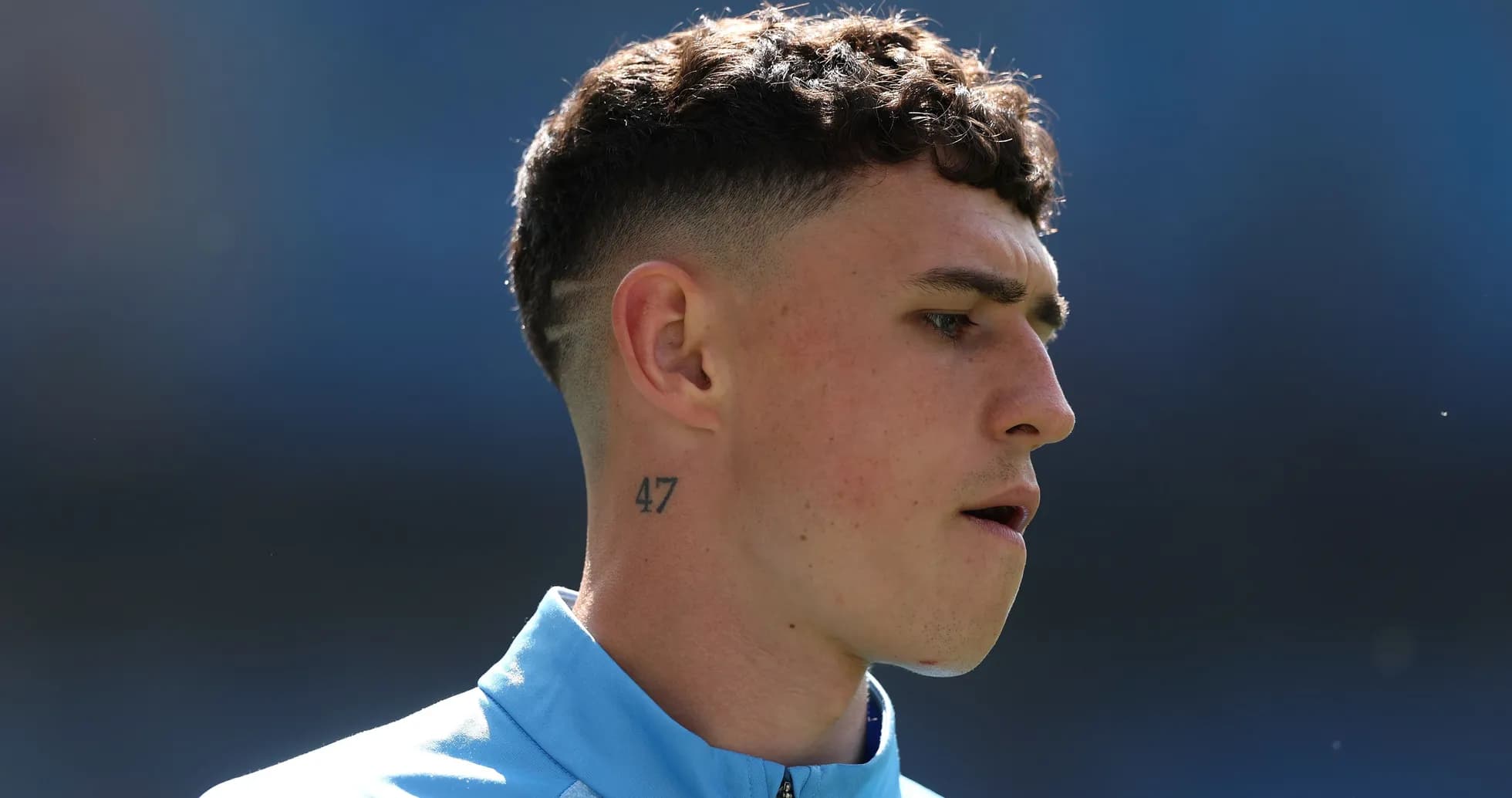
Phil Foden: Leadership Role at Manchester City Under Maresca
Enzo Maresca has drawn his leadership lines at Manchester City – and Phil Foden is on the outside of the official group looking in.
The new City boss has confirmed a four-man captaincy team for the season, with Ruben Dias, Erling Haaland, Marc Guehi and Gianluigi Donnarumma handed the armbands. Foden, 26 and a symbol of the club’s modern era, was considered. He did not make the final cut.
“The captain is Ruben, Erling, Marc Guehi and Gianluigi Donnarumma,” Maresca told reporters on Friday, laying out a hierarchy that blends old and new. Dias and Haaland are the obvious pillars. Guehi and Donnarumma are the statement picks – relative newcomers trusted to help set the tone in a dressing room already packed with stars.
Maresca leaned heavily on one criterion: proven experience with the armband.
“First of all, because Marc was already captain with Palace,” he explained. “So he has the experience. Gigio is the captain of the Italy national team, so he has the experience. The reason why I decided for them is because I can see them helping the teammates and the dressing room to behave in the right way.”
That logic edged Foden out of the formal quartet, even as the manager went out of his way to underline the midfielder’s status inside the club.
Foden: not captain in name, but captain in status
To Maresca, Foden is more than just another senior player. He called him “one of the guys from the house” – the local lad who came through the academy, grew up with the badge, and has become a bridge between the stands and the pitch.
“These are the four that are going to be the captains,” Maresca said. “But I was also thinking about Phil, because Phil is one of the guys from the house. He’s not in that group, but for me he’s also one of the captains, one of the players that belong to that group.”
So the armband might not sit on Foden’s sleeve every week. The expectation to lead remains.
That duality captures his current reality at City under Maresca: central to the project, trusted, yet being asked to adapt, sacrifice and accept decisions that don’t always flatter him.
A No 10 playing wide – for now
The clearest example is his position. Foden has opened the Premier League campaign from the right wing, a role dictated less by long-term vision and more by short-term necessity after Jeremy Doku’s injury.
Maresca made his preference clear.
“I think Phil’s best position is in the middle,” the Italian insisted. “But he’s doing an effort to help the team. Because for the first two games we didn’t have options in the wide area, because Jeremy was injured.
“No doubt that Phil’s position in the middle is much better. But I’m very, very happy with Phil since day one. He’s working very good, even when he has played wide in the last two games, he was good.”
The message is blunt: Foden is a central player being used wide because the team needs him there. And he is getting on with it.
Tactical trust and a roaming future
Maresca’s willingness to move Foden around the front line says plenty about how he views the 2023-24 PFA Player of the Year. This is not a specialist to be locked into one zone. This is a high-IQ, high-skill footballer expected to solve problems all over the pitch.
The Italian has praised Foden’s attitude as much as his quality, highlighting how the midfielder has accepted the tactical tweaks without complaint, even when it means sacrificing his preferred role in the No 10 pocket.
“You can see that inside the pitch he’s much better,” Maresca said of Foden’s central influence. “But at the end, Phil is going to play in a different position. Because he’s a good and good players, they can play in different positions.”
So the picture is clear. Foden is not part of the official captaincy four, yet his manager still speaks about him as a leader. He is not locked into his best position, yet he remains central to Maresca’s plans.
The armband may sit elsewhere. The responsibility, in Maresca’s eyes, still rests firmly on Foden’s shoulders – wherever he lines up on the pitch.