Why the Premier League Lacks Top-Tier Attackers and Midfielders Despite Its Wealth
The Premier League stands as the richest football league worldwide, yet it hosts just one truly world-class attacker and no midfielders in its current ranks. This paradox raises questions about why England’s top flight, despite its financial power, struggles to attract the best attacking players at their peak.
World-Class Club Analysis
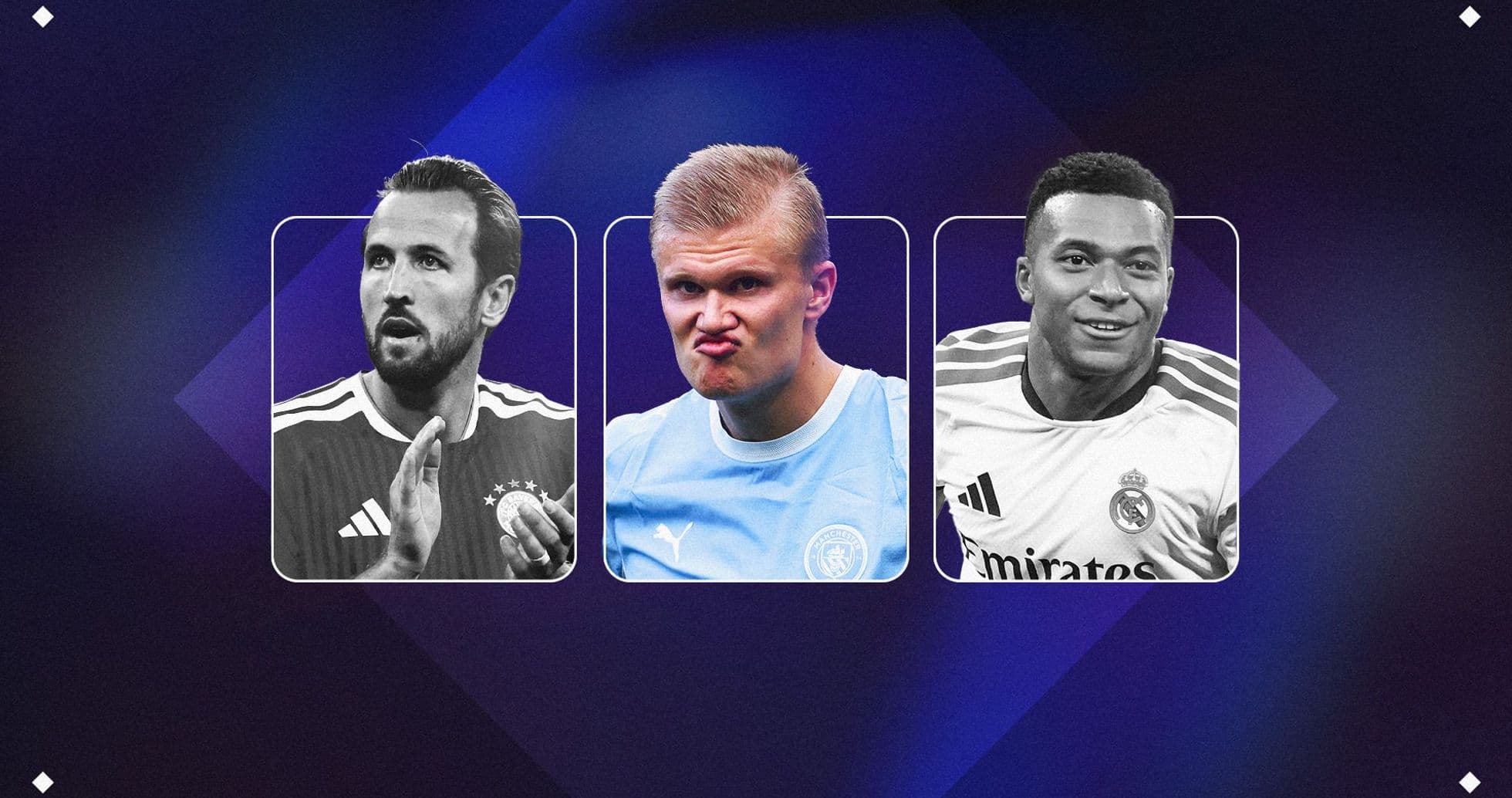
Recently, Goal.com published the 2026 World-Class Club list featuring only five Premier League players among 25 picks, with four being defenders. Notably, no midfielders made the cut, while Erling Haaland remains the sole forward recognized. This trend confirms a long-standing pattern that the finest attacking talent rarely plies their trade in England.
Money Is No Longer a Barrier
Back in the 1990s, the Premier League was unable to lure the best players during their prime, with stars like Ruud Gullit and Gianluca Vialli arriving only late in their careers. At that time, Serie A dominated as the footballing hub. Today, the financial muscle of the Premier League is undeniable. Clubs spent an unprecedented £3.5 billion ($4.6 billion) in the last summer transfer window, surpassing combined spending by Serie A, La Liga, Ligue 1, and the Bundesliga.
Despite this, the league has failed to secure the world’s very best players during their prime years. The Ballon d’Or winners from the Premier League since 2000 are few: Michael Owen (2001), Cristiano Ronaldo (2008), and Rodri (2024). Many top talents like Thierry Henry, Luka Modric, Gareth Bale, Luis Suarez, and Eden Hazard chose Spain over England, often moving before or during their prime.
The Magnetic Pull of La Liga Giants
Real Madrid and Barcelona remain the most attractive destinations for elite talent, especially from South America. Cultural ties, climate, and language play roles, but the prestige of these clubs is immense even for English stars.
- Steve McManaman: Won two Champions Leagues with Real Madrid, calling wearing their white kit irresistible.
- Michael Owen: Regretted not joining Real Madrid sooner despite being a Liverpool icon.
- Trent Alexander-Arnold: Chose to move to Real Madrid, hoping to boost his Ballon d’Or chances.
- Jude Bellingham: Opted for Madrid without hesitation, despite Premier League offers.
Players like Marcus Rashford and Anthony Gordon have called transfers to Barcelona dreams fulfilled, illustrating a growing willingness among English players to move abroad. Harry Kane’s 2023 transfer to Bayern Munich was inspired by David Beckham’s similar path, highlighting shifting attitudes towards leaving England early in careers.
Is the Premier League Losing Its Edge?
The Premier League remains the most-watched league globally but faces criticism for declining quality on the pitch. Matches emphasize physicality over flair, leading to fewer goals from open play and a more pragmatic style, epitomized by Arsenal's recent title-winning tactics.
Arsenal’s approach centers on strength, pace, and set pieces rather than pure technical skill, resulting in less entertaining but effective football. This environment stifles attacking players from showcasing their full abilities.
Though promising talents like Alexander Isak and Rayan Cherki offer excitement, the overall shortage of elite attackers is stark. Erling Haaland, the league’s standout star, might even leave if Manchester City face harsh penalties for financial rule breaches, potentially heading to Barcelona or Real Madrid.
Challenges and Concerns
The relentless intensity of the Premier League takes its toll on players. Mikel Arteta pointed out that Arsenal’s stars cannot match the freshness of PSG or Bayern Munich players later in the season due to the league's competitiveness. For example, Bukayo Saka would likely have been in better shape for the World Cup had he received more rest.
Despite this, the league’s ferocity isn’t slowing down. English clubs frequently trade players within the league, pushing up fees for average talents, which does little to improve overall quality.
Fans and insiders acknowledge these issues, but the Premier League's business demands continue, even if this means ratings could drop without fresh world-class stars to captivate audiences.