Protesters Occupy Dublin Sports Department Over Ireland–Israel Clash
The Nations League meeting between Ireland and Israel in October has moved far beyond the realm of tactics and team selection. It is now a political fault line.
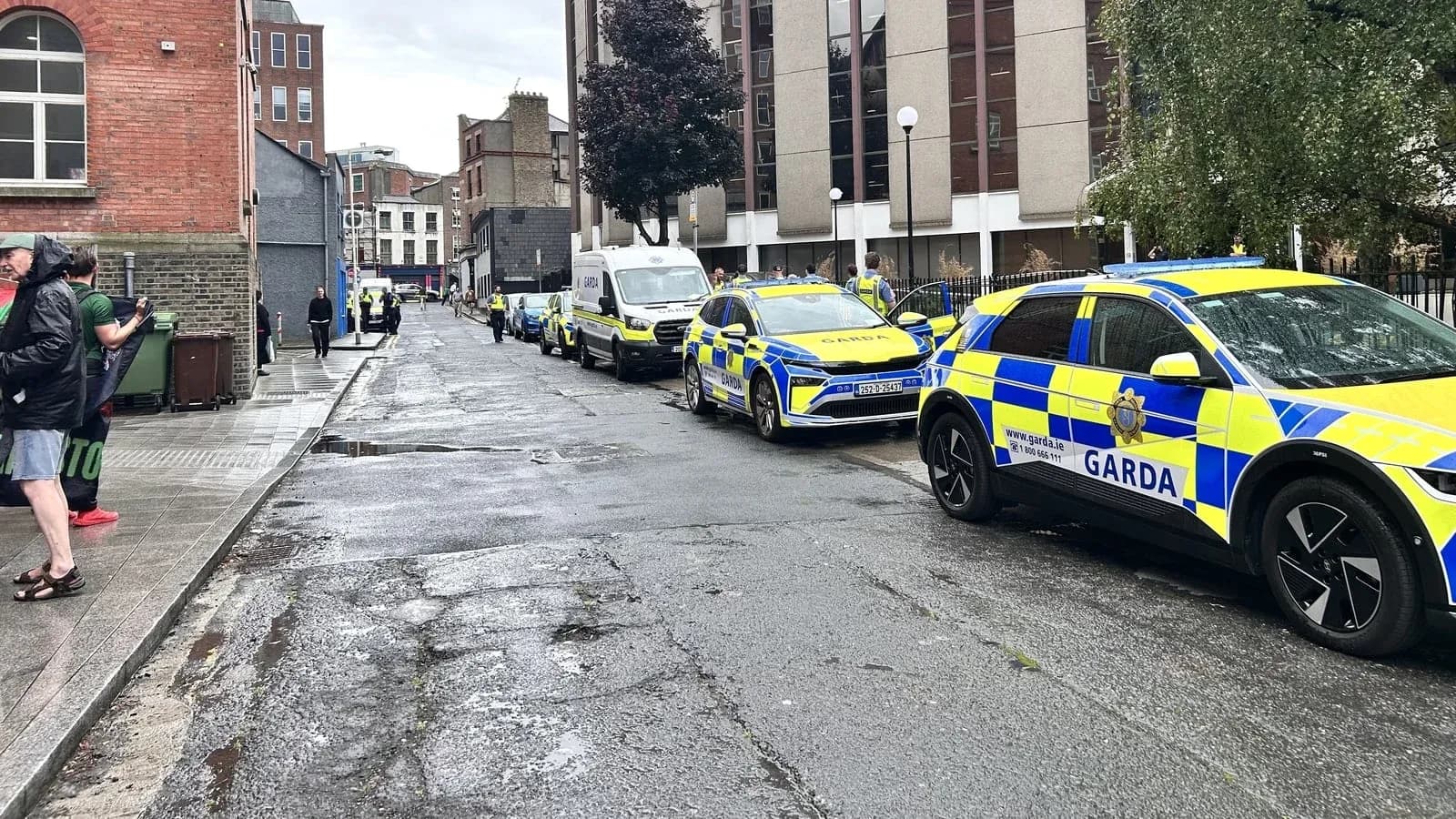
On Leeson Lane in Dublin, that tension spilled into the open as #StopTheGame activists occupied the lobby of the Department of Culture, Communications and Sport, staging a sit-in against the fixture. Their protest ended with removal from the building, but the group insists this is only the start.
They describe their campaign as a “continuing protest” that will escalate until both Nations League ties against Israel are scrapped. For them, this is not about a calendar quirk or a congested schedule; it is about what they call “sportswashing” and Ireland’s role in it.
In a strongly worded statement, the group accused the Government of leaning on the FAI to ensure the games go ahead, singling out Taoiseach Micheál Martin as “one of the first” to push for the fixtures to be fulfilled. They argue that, as a signatory to the International Criminal Court, Ireland should not be playing these matches at all.
“We are failing in our moral, humanitarian and legal obligations as a country in playing these games,” the statement declared, framing the fixtures as a test of national conscience rather than a routine international window.
Independent Dublin City Councillor Cieran Perry, acting as spokesman for the protesters, drew a clear line around the players. Pressure, he said, should not land on those in the dressing room. The responsibility, in his view, lies with the FAI and the Government to take the decision to withdraw from the Nations League meetings with Israel.
The football authorities have already shifted once. Last month, the FAI confirmed that the Republic of Ireland’s home game against Israel would not take place on Irish soil. Instead, it has been moved to a neutral venue and will be played behind closed doors in Backa Topola, Serbia, on Sunday 4 October.
The association said its Board opted for the move “due to operational challenges that could impact on the delivery of the game on home soil.” No further detail was offered, but the backdrop of protests and political pressure is impossible to ignore.
The away leg comes first. Ireland are scheduled to face Israel on 27 September at the Nagyerdei Stadion in Debrecen, Hungary, another match shifted away from the countries directly involved and staged in a more distant, controlled setting.
Inside Government, the message is different: this is not our call. A spokeswoman for the Department of Sport underlined the arm’s-length principle that officially governs these decisions.
She stressed that National Governing Bodies such as the FAI are “independent, autonomous bodies” and carry responsibility for their own sports, including the organisation of fixtures in both domestic and international competitions. “The Government and Sport Ireland have no role in the organisation of such fixtures,” she said.
So the picture is set. Activists demanding cancellation. A councillor insisting the burden must not fall on players. A Government pointing to sporting autonomy. And an FAI that has already moved one match out of Dublin and behind closed doors.
The games are still on the schedule. The question now is whether the pressure building on the streets, in the corridors of power, and around Abbottstown will be enough to blow a hole in that calendar before the first ball is kicked.