PSG Dominates Liverpool 2–0 in UEFA Champions League Quarter-Final
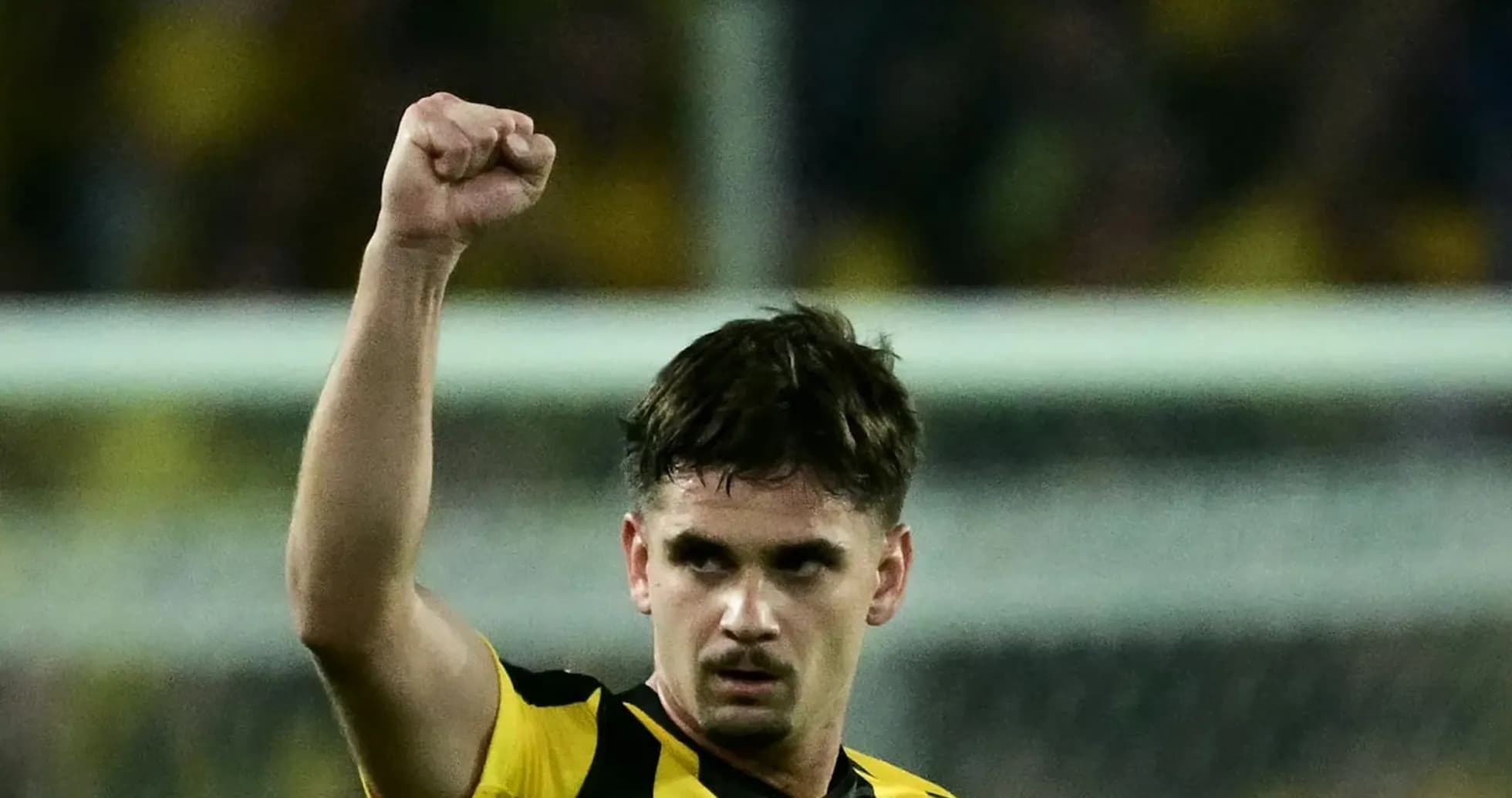
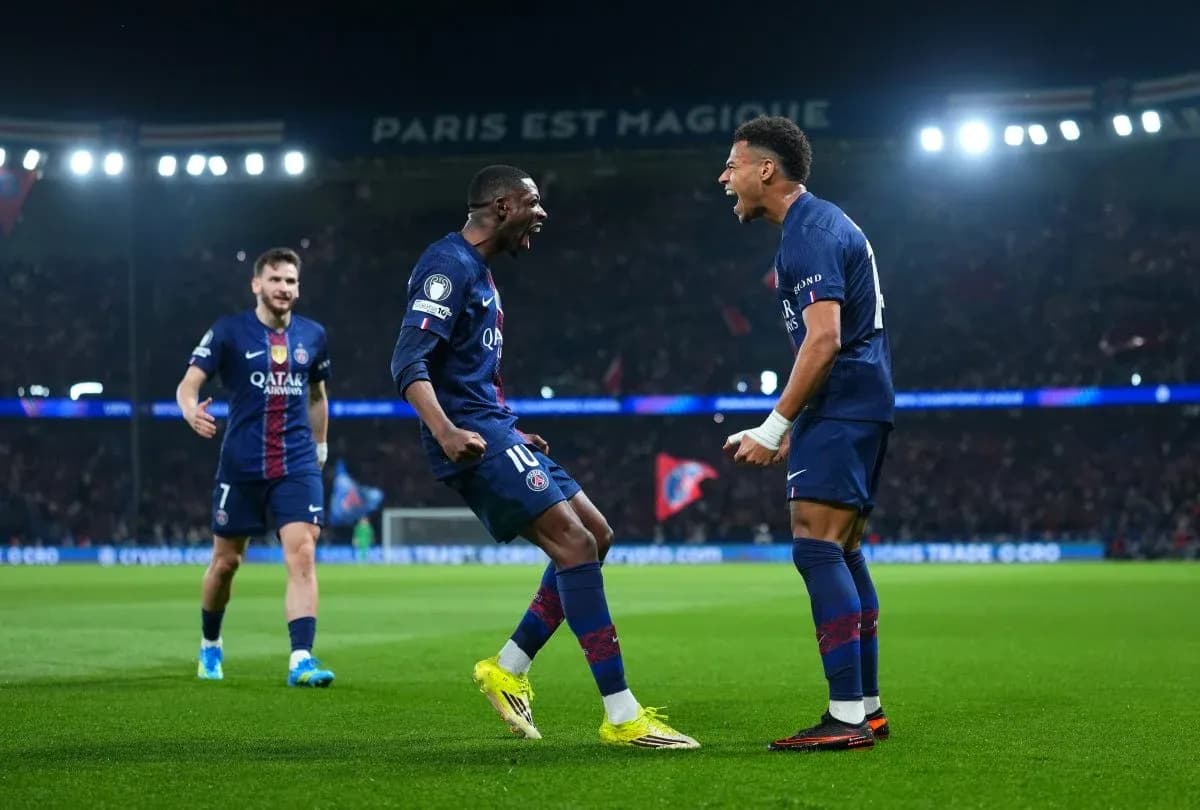
Paris Saint Germain produced a controlled, territorial domination at Parc des Princes, beating Liverpool 2–0 in the UEFA Champions League quarter-final. The hosts translated a 74% share of the ball and 18 shots into a two-goal cushion, built by an early strike from Désiré Doué and a second-half finish from Khvicha Kvaratskhelia. Liverpool, set up in a 3-5-2 by Arne Slot, were pinned back for long stretches and failed to register a single shot on target, ending with just three attempts and an xG of 0.18. PSG’s possession-heavy 4-3-3 under Enrique Luis suffocated transitions and never allowed Liverpool’s front line to ignite.
The scoring opened on 11' when Désiré Doué finished a Paris move to make it 1–0, reflecting PSG’s immediate territorial control and aggressive use of wide zones. The first disciplinary note arrived for Liverpool on 28', as Joe Gomez was booked for a foul, signalling the strain on Liverpool’s back line as they tried to halt PSG’s rotations between lines. Three minutes later, at 31', Alexis Mac Allister also received a yellow card for a foul, further underlining Liverpool’s reactive, last-ditch defending in midfield.
PSG doubled their lead on 65'. João Neves, operating as the central reference in the Paris midfield three, provided the assist for Khvicha Kvaratskhelia, who converted to make it 2–0 and effectively kill Liverpool’s hopes of a comeback. On 71', a VAR intervention cancelled a potential PSG penalty involving Warren Zaïre-Emery; the decision did not change the game’s trajectory but confirmed Liverpool’s defensive unit was repeatedly stressed inside their own box.
Enrique Luis then began to manage energy and control. On 78', D. Doue (OUT) was replaced as Kang-in Lee (IN) came on for Paris Saint Germain, adding fresh possession security between lines. In the same minute, Liverpool executed a quadruple attacking and structural reshuffle: H. Ekitike (OUT) made way as C. Gakpo (IN) came on; D. Szoboszlai (OUT) was replaced as C. Jones (IN) entered; M. Kerkez (OUT) left with A. Robertson (IN) introduced at wing-back; and F. Wirtz (OUT) was substituted as A. Isak (IN) took up a forward role. These changes aimed to inject verticality and crossing threat, but PSG’s block remained intact.
On 88', O. Dembele (OUT) was withdrawn as L. Hernandez (IN) came on for PSG, a defensive-leaning move that tilted the 4-3-3 towards a more conservative shape, with added stability on the flank. The final event arrived at 90+1', when J. Frimpong (OUT) was replaced as T. Nyoni (IN) came on for Liverpool, a late midfield refresh that had no time to affect the outcome. The match concluded without further cards or goals, and the halftime scoreline of 1–0 evolved into a 2–0 full-time result.
Tactical Analysis
Tactically, PSG’s 4-3-3 was built around high possession and positional discipline. With 744 total passes at 92% accuracy, the structure was clear: Matvey Safonov as a near-uninvolved distributor, a back four of Achraf Hakimi, Marquinhos, Willian Pacho and Nuno Mendes holding a high line, and a midfield triangle of João Neves, Vitinha and Warren Zaïre-Emery controlling tempo and rest defence. The front three of Désiré Doué, Ousmane Dembélé and Khvicha Kvaratskhelia stretched Liverpool horizontally, constantly pinning wing-backs and centre-backs deep.
The key to PSG’s dominance was how the midfield three compressed space around Liverpool’s double pivot and No. 8s. Neves, in particular, orchestrated circulation and stepped into advanced pockets, highlighted by his assist for Kvaratskhelia. Vitinha and Zaïre-Emery balanced each other, one stepping to press the first Liverpool build-up line while the other screened passing lanes into Florian Wirtz and Hugo Ekitiké. This compactness meant that even when Liverpool recovered the ball, their first pass forward was often forced wide or backwards.
Defensively, PSG’s back four were rarely exposed. The statistics underline this: Liverpool managed only three shots and none on target, leaving Safonov with 0 recorded saves and 0 goals prevented. Instead of shot-stopping, his contribution was positional and in build-up, supporting short circulation and enabling PSG to retain their 74% possession. The defensive line’s timing on the offside trap (Liverpool caught offside twice) and the ability to compress space in front of the box restricted Liverpool to low-quality efforts, reflected in their xG of 0.18.
On the other side, Liverpool’s 3-5-2 with Giorgi Mamardashvili behind a trio of Joe Gomez, Virgil van Dijk and Ibrahima Konaté was designed for compactness and counter-attacks. However, with only 253 passes at 75% accuracy, they struggled to progress beyond PSG’s first pressing line. Wing-backs Jeremie Frimpong and Miloš Kerkez were pinned back by PSG’s wingers and full-backs, turning the nominal 3-5-2 into a deep 5-3-2. The midfield of Dominik Szoboszlai, Ryan Gravenberch and Alexis Mac Allister was frequently outnumbered and forced into fouls, as evidenced by Liverpool’s 12 fouls and the bookings for Gomez and Mac Allister.
Offensively, Wirtz and Ekitiké were isolated. The late introduction of Cody Gakpo, Alexander Isak, Andrew Robertson and Curtis Jones at 78' was an attempt to add runners and crossing angles, but by then PSG’s structure had fully settled. Mamardashvili’s 4 saves and 0 goals prevented reflect that Liverpool’s main defensive resistance came from their goalkeeper; PSG’s xG of 2.2 aligns closely with the two goals scored, indicating efficient but not wildly overperforming finishing.
Statistically, the verdict is clear: PSG’s overall form in this match was that of a high-control, high-possession side executing a textbook home-leg performance. Their attacking volume (18 shots, 6 on target, 12 inside the box) and xG of 2.2 matched the 2–0 scoreline, while their defensive index was excellent, holding Liverpool to 0 shots on target, 3 total shots and 0.18 xG without needing a single save from Safonov. Discipline also favoured PSG, who committed only 8 fouls and received no cards, compared to Liverpool’s 12 fouls and 2 yellow cards. The combination of structural superiority, clean defensive management and efficient chance creation justifies the two-goal margin and gives PSG a strong platform heading into the second leg.