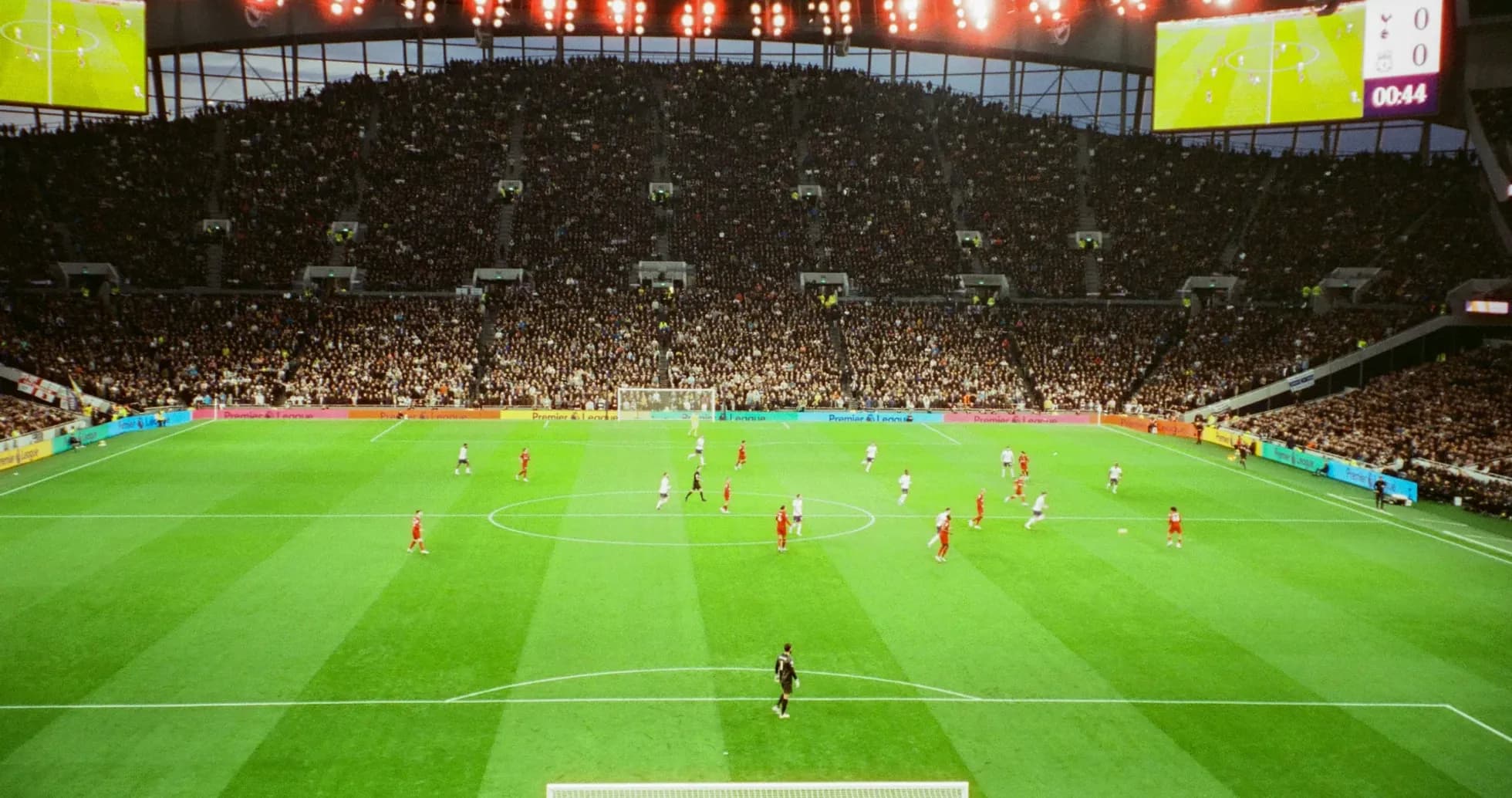
Roma W Dominates Sassuolo W in Serie A Women’s Match
Stadio Enzo Ricci felt like a measuring ground as much as a match venue. Following this result, a 3–0 win for Roma W over Sassuolo W in Serie A Women’s Regular Season - 21, the table tells of two teams living in different universes: Roma W entrenched in 1st on 52 points with a total goal difference of +23 (42 scored, 19 conceded), Sassuolo W marooned in 9th on 17 points with a total goal difference of -17 (16 scored, 33 conceded). The scoreline in Sassuolo mirrors their seasonal DNA: a side that struggles to create and convert, against a leader that has turned control and efficiency into habit.
I. The Big Picture – styles colliding
Sassuolo W’s season has been defined by scarcity in front of goal. Heading into this game they had scored only 16 goals in total across 21 league fixtures, with a total average of 0.8 goals per match. At home, that attacking drought was even more stark: just 3 goals in 11 home games, an average of 0.3. The form line – “DLWLDLDLWLLLWLLLDLWDL” – reads like a side constantly fighting to keep their head above water, rarely stringing momentum together.
Defensively, they concede at a total average of 1.6 goals per game, 1.4 at home. That fragility, combined with their lack of punch, has produced 10 total matches in which they failed to score. The clean sheet count – 6 in total, 4 at home – shows they can occasionally shut things down, but when the dam breaks, it breaks badly: their biggest home defeat this season has been 0-3, a pattern this Roma side duly repeated.
Roma W arrived as a fully formed contender. Heading into this game they had 16 wins, 4 draws, and just 1 defeat in total from 21 matches. Their attack is relentless but controlled: 42 total goals, with a total average of 2.0 per match, split evenly between 21 at home (2.1 average) and 21 away (1.9 average). Defensively, they concede at a total average of just 0.9 goals per game, and they had never failed to score in the league – 0 total failed-to-score fixtures. Eleven clean sheets overall (5 at home, 6 away) underline the balance of their structure.
At Stadio Enzo Ricci, all of those structural truths played out in 90 minutes: Roma’s capacity to score in bursts, Sassuolo’s difficulty in sustaining pressure, and the gulf in squad depth.
II. Tactical voids and discipline – who was missing, who bent
There were no listed absentees in the pre-match data, so both coaches, Salvatore Colantuono and Luca Rossettini, went in with their core options intact. For Sassuolo W, that meant starting both of their key offensive reference points: top scorer L. Clelland and creative runner N. Ndjoah Eto, supported by the industry of M. Brustia and K. Missipo in midfield.
Roma W, meanwhile, had the luxury of embedding structural leaders throughout the spine. O. Lukasova in goal, W. Heatley and S. Oladipo in the back line, and a midfield axis built around G. Greggi and A. Rieke, with G. Galli linking into the forward line where F. Brennskag-Dorsin provided a mobile focal point.
Disciplinary patterns for the season framed the risk zones. Sassuolo W’s yellow cards show a late-game spike: 26.09% of their yellows come in the 76–90’ window, with another 21.74% between 61–75’. Roma W’s bookings are more evenly spread, but they carry a notable early edge: 21.05% of yellows from 16–30’ and a red-card history concentrated in that same 16–30’ segment. This match, finishing calmly in regular time, suggested Roma managed their aggression better than their averages hint, while Sassuolo’s usual late-game strain reappeared as Roma pulled away.
III. Key matchups – Hunter vs Shield, Engine Room vs Enforcer
The “Hunter vs Shield” narrative began with L. Clelland against Roma’s defensive block. Clelland’s season has been bright in a dim attack: 4 total league goals, 1 assist, and a shooting profile of 21 total shots with 13 on target. She is efficient when supplied, and her 11 key passes show she can also act as a secondary creator. But the context is brutal: Sassuolo W, at home, had scored only 3 times all season before this match. Facing a Roma W defence that concedes just 11 total away goals across 11 away fixtures – an away average of 1.0 – meant Clelland was always likely to be starved more than stifled.
Roma’s shield is collective, but W. Heatley stands out as a defender who reads danger well: 5 tackles, 3 blocked shots, and 6 interceptions across her league minutes, with an 81% passing accuracy that helps Roma play out under pressure. Against a Sassuolo side that rarely overloads the box, Heatley and S. Oladipo could step into midfield lines, compressing space around Clelland and N. Ndjoah Eto and forcing them into low-percentage efforts or turnovers.
In the “Engine Room” duel, the contrast was sharper still. Roma W’s creative brain is M. Giugliano. Heading into this game she had 8 total league goals and 2 assists, with 22 key passes from 432 total passes and a rating of 7.62. She is both Roma’s top scorer and one of their primary playmakers, with 33 total shots and 16 on target, plus 3 penalties scored from 3 attempts.
Sassuolo’s response in that zone was more collective: K. Missipo’s work rate, H. Fercocq’s defensive coverage, and the running of M. Brustia. None, however, offer Giugliano’s dual-threat profile. Their most creative figure by numbers is actually E. Dhont, who came from the bench: 3 total assists, 16 key passes and 90 total duels with 44 won. Dhont’s 2 blocked shots and 7 interceptions show she contributes both ways, but starting her on the bench limited Sassuolo’s early ability to disrupt Roma’s build-up or threaten in transition.
Roma’s depth further tilted the matchup. From the bench, Rossettini could call on E. Haavi, M. Giugliano herself, G. Dragoni and É. Viens. Dragoni’s season – 3 total assists, 15 key passes, 57 total duels with 28 won, and 1 blocked shot – marks her as a high-impact rotational midfielder, capable of lifting tempo or adding a line-breaking pass when legs tire. Viens, with 2 total assists and 17 key passes, offers another channel-running outlet to stretch a tiring back line.
Sassuolo’s bench did hold experience and quality – notably Dhont and veteran striker D. Sabatino – but the structural difference lay in Roma’s ability to change the profile of their attack without losing control of midfield.
IV. Statistical prognosis – why 3–0 felt inevitable
Strip away the names and the narrative, and the statistical prognosis always leaned heavily towards Roma W.
- Sassuolo W: 4 total wins in 21, 16 total goals for, 33 total against, 6 total clean sheets, 10 total matches without scoring.
- Roma W: 16 total wins, 42 total goals for, 19 total against, 11 total clean sheets, 0 total matches without scoring.
Roma’s away profile – 9 wins from 11, 21 total away goals scored, 11 conceded – translates into a consistent away xG superiority and defensive stability. Sassuolo’s home numbers – 2 wins from 11, 3 total home goals, 15 conceded – suggest that even a good day for them would likely cap out at a single goal while conceding at least once.
In tactical terms, Roma’s higher attacking ceiling, their ability to keep clean sheets (especially on their travels), and their midfield control through Giugliano, Greggi and Rieke made a multi-goal away win the most probable outcome. The 3–0 final scoreline did not feel like an outlier; it felt like the season’s underlying numbers crystallised into a single, ruthless afternoon at Stadio Enzo Ricci.