Ronald Koeman Steps Down as Netherlands Coach: A Personal Farewell
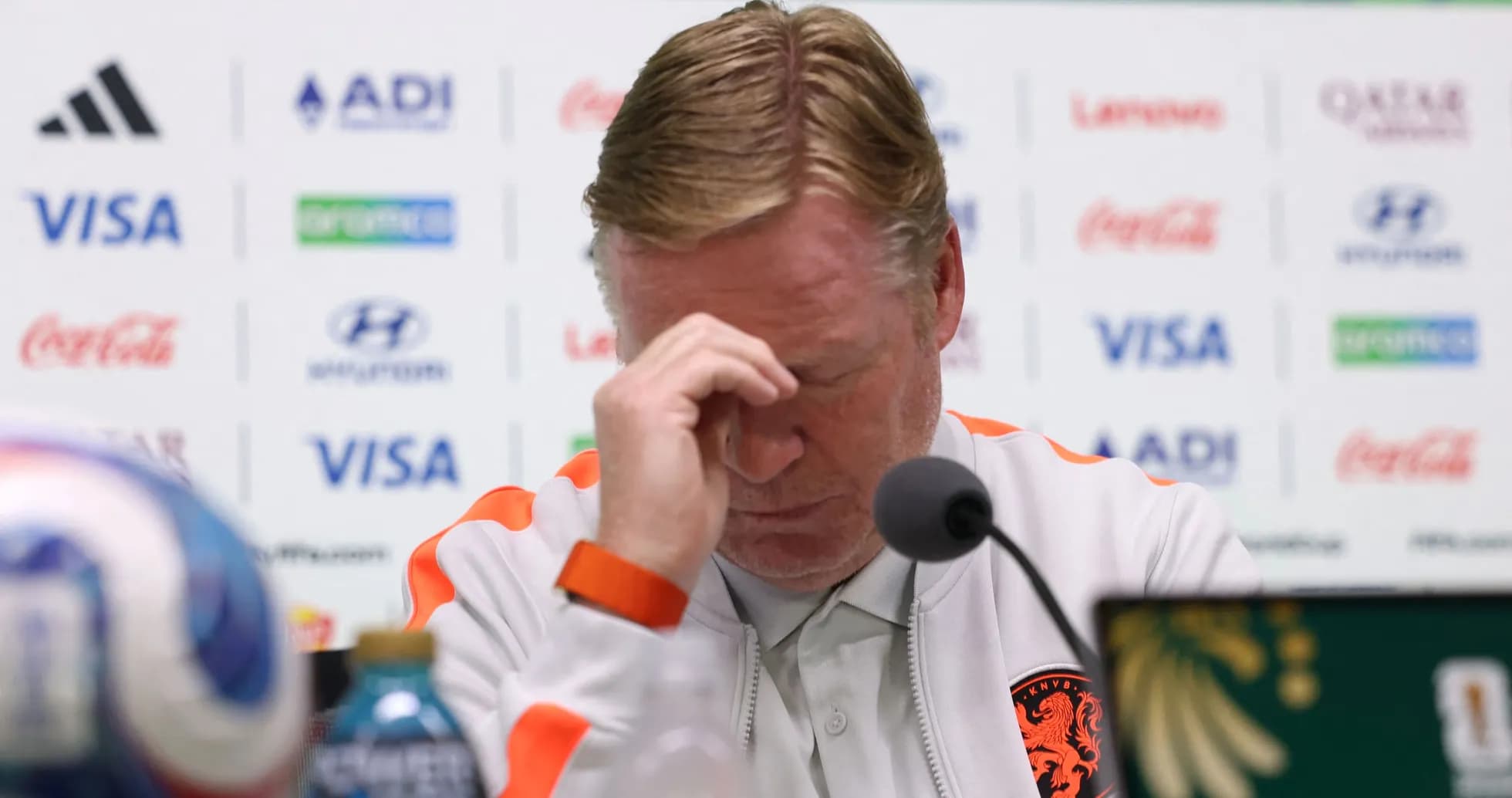
Ronald Koeman has never been one to hide from responsibility. Not as a defender, not as a free-kick specialist, and not as a coach. So when the 63-year-old announced the end of his tenure as head coach of the Netherlands, he did it with the same directness that defined his playing days – and with a rawness that went well beyond football.
The Oranje’s World Cup dream is over. So, it seems, is Koeman’s life on the touchline.
A World Cup dream that stopped short
Koeman confirmed on Instagram that he had decided “last night” to step down as national team boss, drawing a clear line under a campaign that promised history but ended in disappointment.
“We all shared the dream of making history at this World Cup, but we fell short,” he wrote. “No one is more disappointed by that than I am. As head coach, the responsibility ultimately rests with me.”
There was no attempt to spread the blame, no reaching for excuses. The message was simple: the dream was real, the failure hurts, and he owns it.
Football, family, and a shift in priorities
Then came the turn that made this more than a standard resignation. Koeman revealed that the decision is rooted not only in sporting failure, but in something far more profound: family and health.
“Football has been my life, but health is priceless,” he said, explaining how the past few years have reshaped his view of what truly matters. When “someone you love dearly is fighting a tough battle,” he wrote, perspective changes.
That someone is his wife, Bartina. Koeman spoke with striking admiration about her, describing how she has been fighting illness while still pushing him to finish his work with the national team.
“Despite her own illness, my wife Bartina supported and encouraged me every day to finish my work as head coach. That shows incredible strength. I am more grateful to her for that than I could ever put into words.”
For a man whose public life has been defined by pressure, trophies and tactical debates, this was a different kind of admission: that the dugout no longer sits at the centre of his world.
Farewell to the Oranje bench
Koeman’s statement read like a closing chapter, not just a pause. He thanked the players “for your efforts, character, and confidence,” saying they motivated him every day. He extended that gratitude to his staff, the KNVB, club sides that released their players, and the often overlooked employees behind the scenes.
But he saved a particular line for the fans.
“Above all thanks to the supporters. For being supportive even in times when it was difficult. It was a great honor to be able to represent the Netherlands as a head coach.”
This was not a coach distancing himself from a bruising exit. It was a man acknowledging the bond between a nation and its team, and his privilege in standing at the front of it.
Pride, regret, and a final bow
Koeman admitted he is leaving “with mixed feelings.” How could it be otherwise? The competitor in him wanted one last shot of glory.
“Naturally, I would have preferred to conclude my time with the Oranje with a world title. Unfortunately, that dream remained unfulfilled.”
The regret is obvious. But he refused to let it define his farewell.
“But above all, pride prevails,” he continued. Pride in what football has given him, in the people he has met, and in the rare privilege of turning a passion into a profession.
His closing words carried the weight of a full career: “Thank you for all those years of trust, criticism, support, disappointments, successes, and so on.”
Trust and criticism in the same breath. Highs and lows treated as equal parts of the same journey. That is the voice of someone who has lived every side of the game.
Koeman walks away from the Netherlands job with no trophy in his hands this time, but with something he clearly values more at this stage of his life: the chance to step away from the noise, stand beside his family, and decide for himself whether this really is the last whistle of a remarkable coaching career.