Ruben van Bommel's Impact in PSV's Draw Against Shakhtar
PSV Eindhoven walked off the Philips Stadion pitch with applause in their ears and frustration in their stomachs. A 1-1 draw against Shakhtar Donetsk to open their UEFA Champions League league phase felt like a missed chance, and nobody embodied that more than Ruben van Bommel.
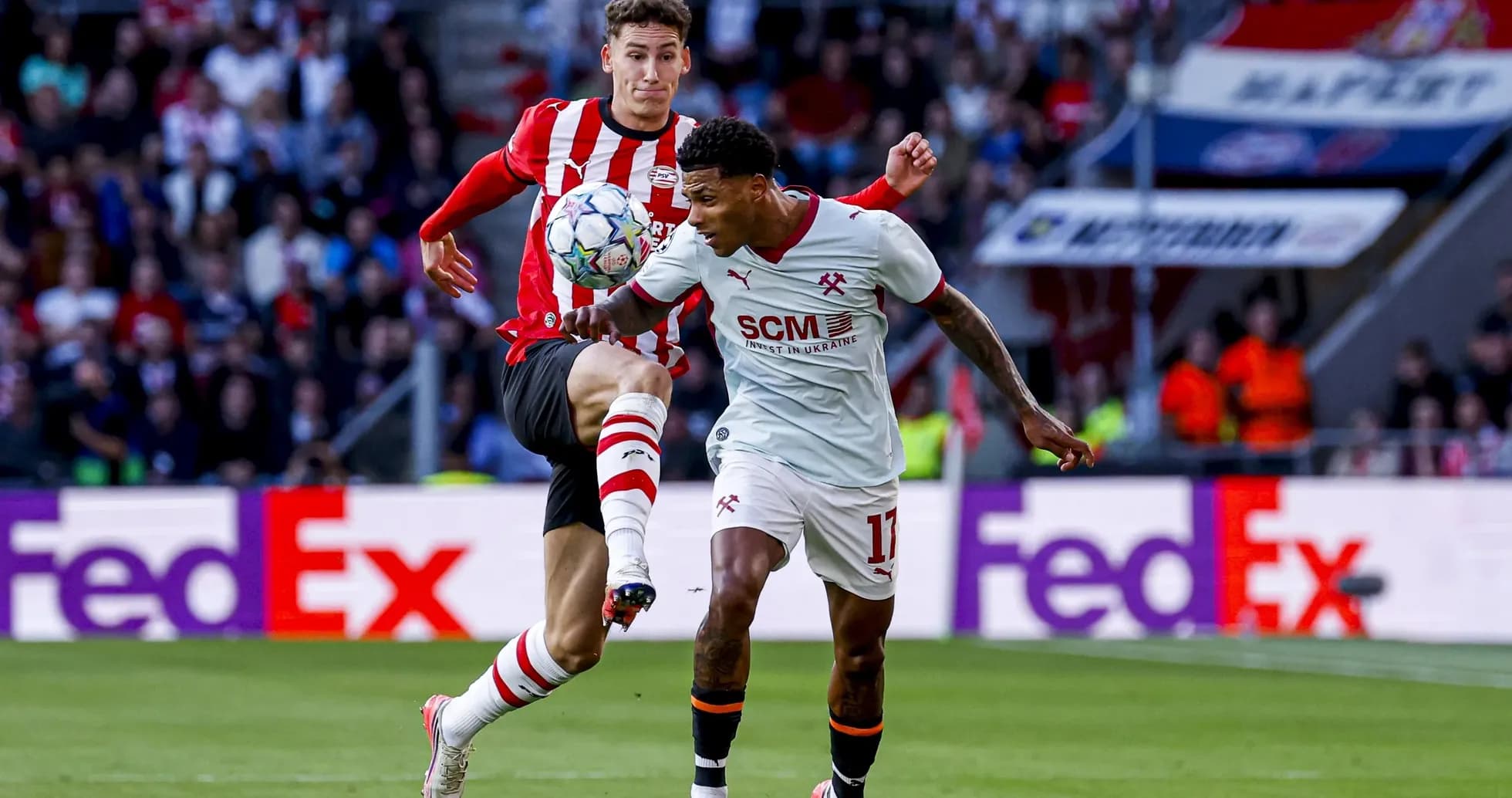
The winger was electric. He ran, he probed, he kept asking questions. Shakhtar never quite found the answer, but the scoreboard did PSV no favours.
Shakhtar strike, PSV respond
Arda Turan’s side absorbed pressure for long spells in the first half and then landed a punch right on the interval. In first-half stoppage time, Gleiker Mendoza stunned the home crowd, finishing to give Shakhtar a lead they had barely threatened.
PSV, who had swept past Ajax 3-1 in the league with a blistering tempo days earlier, never hit that same rhythm before the break. The ball moved slower. The combinations were just a touch off. Shakhtar’s technical quality on the ball dragged the edge out of PSV’s press and turned the opening 45 minutes into a struggle.
The reaction came after the restart.
Sergiño Dest drove PSV back into the contest with the kind of conviction the first half had lacked, striking the equaliser in the second period to haul the Dutch champions level. The goal flipped the mood inside the stadium. Suddenly PSV were playing on the front foot, and Shakhtar were the ones hanging on.
The pressure almost told.
Van Bommel, everywhere by that stage, carved out what might have been the winner, bending a dangerous effort agonisingly wide during a dominant spell. It summed up his night: constant menace, no reward.
PSV kept pushing, but the final whistle locked the score at 1-1. Two points gone, one point banked, and a sense that this European campaign could have started with a statement.
“Threat is nice, but I’m lacking in return”
Van Bommel did not hide behind the performance or the numbers.
Speaking after the match, he admitted the dressing room mood: disappointment. PSV had struggled early with Shakhtar’s technical sharpness, he said, and never quite reproduced the high-speed football that tore Ajax apart.
He turned the lens on himself as well. The winger acknowledged the irritation of leaving the pitch without a goal after such an influential display.
“Ultimately, we leave the pitch with the feeling that we could have taken three points,” Van Bommel said. “Threat is nice, but I'm lacking in return right now. You're disappointed, but the reality is that you still have seven matches left.”
Seven games to turn pressure into points. Seven games to turn his own threat into numbers.
Facing the backlash
The conversation did not stay on the Shakhtar match for long. It drifted, inevitably, to Ajax and to Aaron Bouwman.
Van Bommel has been at the centre of a storm since his high-speed aerial clash with the young defender in that 3-1 win. The incident left Bouwman in hospital with bruised lungs and chest bones and sparked a fierce debate around the tackle and around Van Bommel himself.
He did not try to deflect responsibility.
“It was my fault and I regret that,” he admitted. “I am glad that Aaron is doing relatively well. But I think people should sometimes think a bit more carefully before shouting something about players.”
It was a rare glimpse of vulnerability in a week when social media outrage had turned him into a target. His message was simple: judge the incident, but remember the human being.
Focus, noise, and what comes next
For PSV, the draw against Shakhtar is not a disaster. It is a warning. Dropped points at home tighten the margins in a league phase where every slip can reshape the group.
Van Bommel remains convinced the team can sharpen their attacking execution and build the kind of momentum they showed against Ajax. The key, he stressed, will be blocking out the noise swirling around him and around the squad.
Domestic duties now take over before the Champions League returns. Seven European fixtures remain, and PSV still need their first win.
They will expect Van Bommel to keep stretching defences. The question is simple: when does all that threat finally turn into the goals this campaign demands?