Sabah FA vs Hapoel Beer Sheva: UEFA Champions League Play-offs Showdown
Sabah FA host Hapoel Beer Sheva at the Tofiq Bahramov Stadium in Baku in a UEFA Champions League Play-offs second leg that will define who advances to the lucrative group stage; with no league-table data available, this tie is season-defining financially and in terms of continental profile for both clubs.
Head-to-Head Tactical Summary
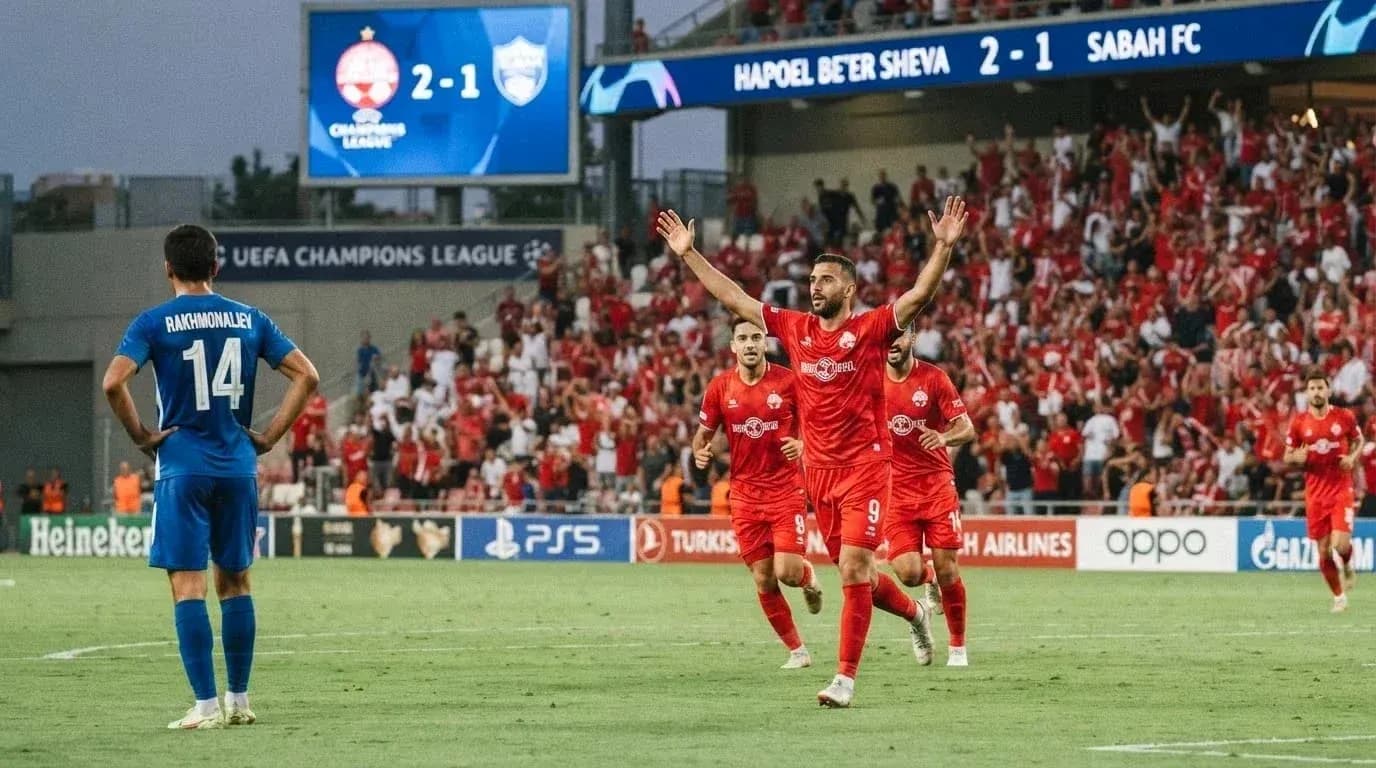
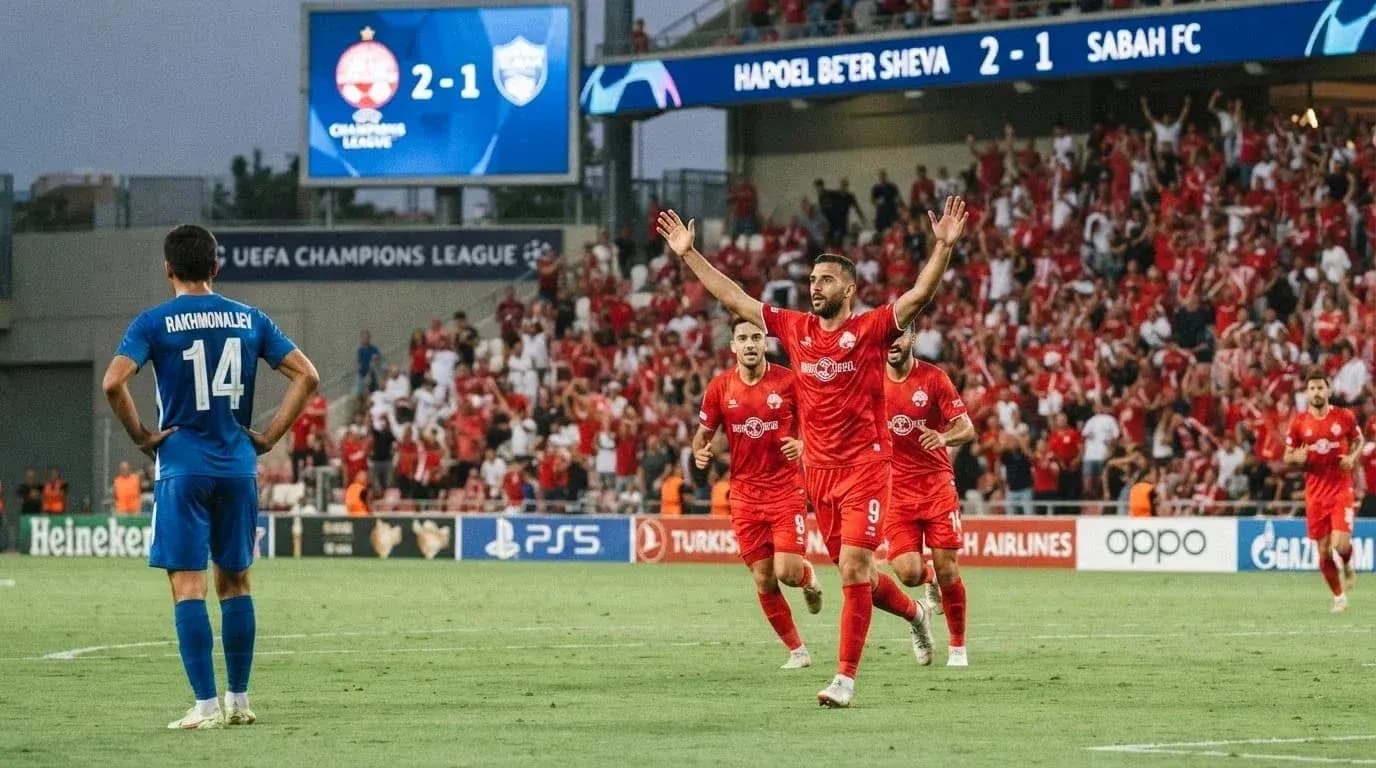
The only recent meeting in the data is the first leg of this Play-offs tie on 19 August 2026 at the Superbet Arena - Giulesti in Bucharest, where Hapoel Beer Sheva, as the home side, beat Sabah FA 2-1. The half-time score was 1-1, with Hapoel Beer Sheva edging the second half 1-0 to take a narrow aggregate lead into the return leg. That match showed Sabah capable of scoring away but also exposed their vulnerability to concede in key phases.
Global Season Picture
- League Phase Performance: There is no standings data available for either Sabah FA or Hapoel Beer Sheva in the Champions League, so their exact goals for, goals against, and points in any league or group context cannot be quantified from the current snapshot.
- Season Metrics: In the league phase of this Champions League campaign, Sabah FA have played 7 matches, winning 5 and losing 2, with 13 goals scored and 5 conceded. They average 1.9 goals scored and 0.7 conceded per match, with 4 clean sheets and no games without scoring, indicating a consistently proactive attacking approach and solid defensive structure. Hapoel Beer Sheva have played 5 matches, winning 4 and losing 1, scoring 8 and conceding 3, for averages of 1.6 goals scored and 0.6 conceded per match, plus 3 clean sheets and no failures to score, reflecting a slightly more controlled but still efficient profile at both ends. Card data suggests Sabah accumulate yellows fairly steadily across the match with a notable spike between minutes 46–60, while Hapoel Beer Sheva tend to pick up many of their cautions from 46–90, with each side having incurred one red card late in separate games, hinting at rising intensity in second halves.
- Form Trajectory: Sabah FA’s form string of WWWWLWL shows a strong run of early wins followed by a more volatile recent pattern, with two defeats in their last three matches suggesting a slight dip under higher-pressure fixtures. Hapoel Beer Sheva’s LWWWW indicates they responded to an initial setback with a four-match winning streak, entering this second leg with clear upward momentum and confidence in knockout-type scenarios.
Tactical Efficiency
Across their current Champions League campaign, Sabah FA’s scoring rate of 1.9 goals per match combined with just 0.7 conceded points to an aggressive, front-foot side that still protects its box well, particularly at home where they have yet to concede in 3 matches and have scored 7. Their clean-sheet count (4 in 7) underscores defensive efficiency when they can control tempo. Hapoel Beer Sheva, with 1.6 goals scored and 0.6 conceded per match, project a slightly lower attacking volume but an even tighter defensive block, supported by 3 clean sheets in 5 games and only 3 goals allowed overall. The pattern of both teams always scoring and rarely conceding more than twice suggests a tie where marginal gains in both boxes, rather than sheer volume of chances, will decide progression. Sabah’s tendency to collect cards in the middle of the second half could become a structural risk if they are chasing the aggregate, while Hapoel Beer Sheva’s late-game discipline and recent winning streak make them tactically well-positioned to manage a narrow lead away from home.
The Verdict: Seasonal Impact
Advancing from this Play-offs tie into the Champions League group stage would significantly elevate the season’s trajectory for either club: for Sabah FA, overturning a 2-1 first-leg deficit at home would validate their strong underlying numbers and mark a historic breakthrough, reshaping their continental standing and resource base for years. Failure to progress, despite impressive attacking and defensive metrics, would leave their campaign defined by near-miss knockout volatility rather than sustained dominance. For Hapoel Beer Sheva, converting their first-leg advantage and current winning run into qualification would consolidate them as a stable group-stage presence and anchor their domestic title and European ambitions around a proven knockout resilience. A collapse in Baku, by contrast, would reframe their season as one where strong form and defensive solidity were undermined by an inability to close out a favorable tie. In strategic terms, this single match will likely determine whether 2026 is remembered as a breakthrough European year or a lost opportunity for both clubs, with downstream effects on recruitment, finances, and domestic competitiveness.