Scottish Football's Uncertain Future Amidst Dread and Reflection
Only the most deluded optimists can look at Scottish football right now and see a picture of health. The new season is here, the turnstiles are about to click again, yet the mood is not anticipation. It is dread. Reflection. A nagging sense that the summer has changed nothing that truly matters.
The national team’s World Cup flop still hangs over everything. No detailed review, no visible plan, no sense of urgency from Hampden’s corridors of power. Just silence and thin-skinned irritation. Mike Mulraney, the Scottish FA president, has slipped from view since being spotted in the background at Trump Tower, lurking behind Gianni Infantino and the US president. Ian Maxwell, the chief executive, briefly emerged only to rail against “hysterical commentary” after Steve Clarke walked away.
These are the same executives who all but laughed off concerns when Clarke was handed a four-year contract on the eve of departure for the United States. A bold show of faith, they said. A needless gamble, others warned. The gamble lost. Clarke is gone. The questions remain.
Maybe Mulraney and Maxwell are genuinely consumed by the search for a new head coach, someone willing and able to tear up an ageing squad and start again. They deserve the chance to get that appointment right. The clubs, though, cannot dodge their part in this. Scotland’s World Cup shortcomings shone a harsh light on structural failings they have long chosen to ignore. The anger that followed the campaign has not faded; it has seeped into the domestic game as the Premiership returns. The ingredients are there for a season that feels combustible, even poisonous.
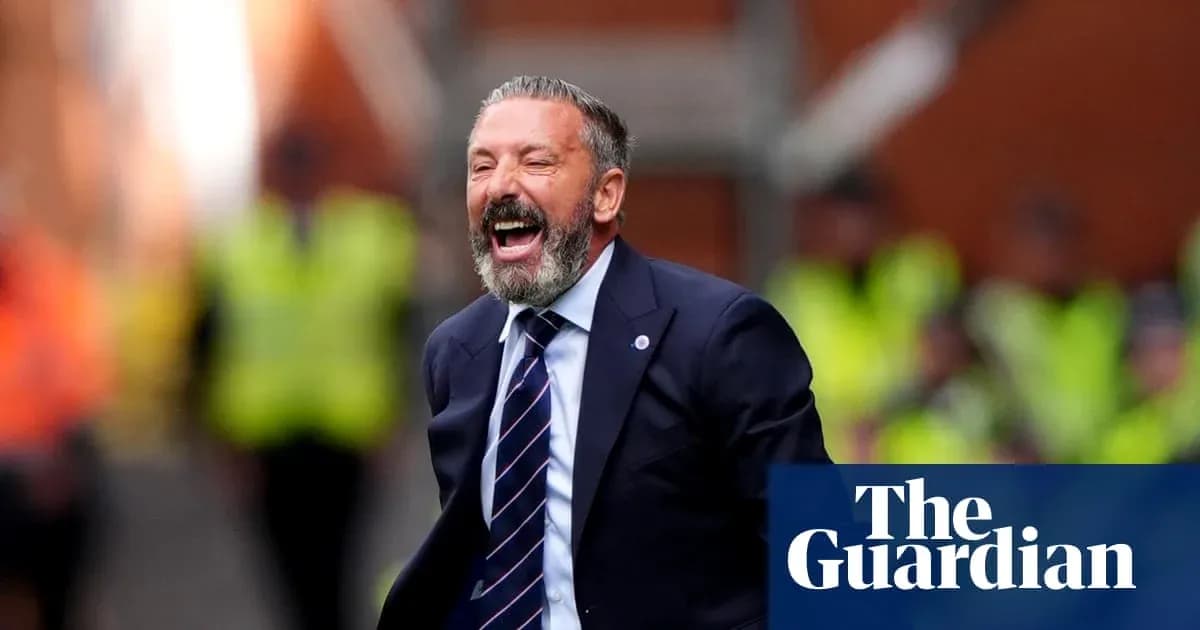
Look at the champions. Celtic’s support is still simmering. Many see a boardroom too content with domestic dominance, too slow to push the club’s potential, too detached from the terraces. Across the city, Rangers have turned to Derek McInnes, a manager steeped in the club’s history but deeply unpopular among Celtic fans. His appointment adds another layer of friction to a rivalry that hardly needed more.
Then there is Hearts, still carrying the scars of 2025-26. They came within minutes of a first title in 66 years only to watch it vanish in chaos and controversy. The most galling chapter arrived on 11 June when the Scottish Professional Football League finally published the disciplinary outcomes from the pitch invasion that cut short Celtic’s title-clinching match against the Edinburgh club.
Tucked into that document were little more than token punishments. Hamilton Academical, Inverness and Stenhousemuir received minor rebukes. Celtic’s sanction – a modest fine and a suspended, limited ticket reduction – felt flimsy in the extreme. Hearts supporters saw that as confirmation of a system stacked against them. They are not alone in their suspicion.
Rangers fans, usually first to howl at authority, had been relatively restrained. That changed when McInnes was hit with a touchline ban for criticising a refereeing decision. The club has also taken aim at aspects of an independent report into the disorder that followed their Scottish Cup defeat to Celtic in March. Trust is thin.
Motherwell are consulting lawyers over a Scottish FA fine linked to a social media video. Hibs, beaten 2-0 in Kosovo in a European qualifier, watched their online hardcore erupt. Results like that used to be a national embarrassment. Now they are routine. Shrugged off by some. Raged over by others. Accepted by nobody.
Amid the gloom, there are shards of optimism. Celtic have flexed financial muscle with the signing of Kasper Høgh for a club-record fee, a deal that finally matched the supporters’ demands for ambition. The 25-year-old arrives from the sheltered but successful environment of Bodø/Glimt, where players often look better than they do elsewhere. Doubts about whether that style travels have followed him to Glasgow. So has intrigue. Høgh’s physical presence and direct running should suit the Scottish game, and at a price many English Championship sides would barely blink at, he represents both a risk and an opportunity.
Celtic’s bigger test may lie in what comes next. If serious bids land for key performers such as Arne Engels and Alistair Johnston, the champions must replace quality without turning another hefty net profit into the main story of their summer. Supporters have welcomed Høgh. They expect more. They expect a squad built to dominate, not a balance sheet polished for the next set of accounts.
Rangers have taken a different path. They have burned through remarkable sums in recent years while watching others lift silverware. The stands have turned angry, the club’s reputation has taken hits, and the new American ownership has, curiously, chosen not to confront that discontent head-on.
McInnes, though, feels like a course correction. Rangers open the season away to Dundee United on Friday night with a manager who understands the club’s demands and culture better than most of his predecessors. His first moves have been pragmatic. Vanja Dragojevic, signed from Partizan Belgrade, looks a shrewd addition in midfield. The attacking spark still needs work, but McInnes has wasted no time in hardening the team’s spine. This is the job he has always wanted. Nobody questions his drive or his willingness to grind. Rangers should be stronger. They have to be. Yet Celtic, with their proven habit of finishing the race in front, remain favourites for the title.
In Edinburgh, Hearts are trying to steady themselves after their near miss and subsequent upheaval. McInnes’s exit for Ibrox, the arrival of Wouter Vrancken and a complete stylistic reboot have created turbulence. Hearts’ title push came earlier than anyone realistically expected and has reset expectations in a way that can be as dangerous as it is exhilarating. The club now attracts attention from people who barely glanced at Scottish football before.
Reality bit hard in Europe. A comprehensive Champions League qualifying defeat to Sturm Graz underlined the size of the task facing Vrancken. The temptation will be to demand instant continuation of last season’s domestic surge. Patience would be wiser. The foundations still need reinforcing.
Elsewhere, there are examples of clubs refusing simply to cling on. Motherwell’s work under Jens Berthel Askou and beyond has shown how a so-called smaller side can punch up with style. The football was bold, the crowds grew, and the market took notice. The sales of Elijah Just and Elliot Watt for multimillion-pound fees vindicated a model that dares to think differently, to scout smarter, to sell well and reinvest.
St Mirren have set their sights on promoting more young players and playing with greater ambition. Kilmarnock hinted at a more expansive identity under Neil McCann at the end of last season. Aberdeen, under Stephen Robinson, look primed to be a more forceful presence this time around. Even the pitch debate has inched forward: only one artificial surface remains in the Premiership, a small but significant victory for those who want the top flight to feel like an elite competition, not a patchwork of compromises.
Through all of this, one truth endures. Football still grips Scotland like nothing else. It dominates conversations, shapes weekends, colours moods. Yet it feels, unmistakably, like a patient in need of urgent treatment. The new season should be a clean page. Instead it feels like the next chapter in a story that has been allowed to drift.
The turnstiles will spin anyway. The songs will be sung anyway. The question is whether anyone in charge is truly prepared to think differently – or whether another year will pass with the same old problems, just played out under fresh floodlights.