Serge Gnabry: From Transfer Candidate to Bayern Munich's No. 10
Serge Gnabry’s Bayern summer started with a birthday cake and ended with a promotion.
Turning 30 on 14 July, he walked back into a club that had spent the previous years quietly wondering whether to cash in on him. By August, he had something far more valuable than a new contract or a testimonial date: he had a starting place at Bayern Munich.
It was less a fairy tale than a perfect storm.
From Transfer Candidate to First Choice
Vincent Kompany’s 4-2-3-1 offered only one real vacancy. Harry Kane, Michael Olise and Luis Diaz were locked into the front line. The No. 10 role sat empty, waiting for someone to own it.
Jamal Musiala was out for months with a fibula fracture. Lennart Karl, as gifted as he looked, was still just a teenager with potential rather than proof. Nicolas Jackson didn’t even walk through the door until Deadline Day at the start of September, and then needed time to find his feet in a new league, a new country, a new pressure cooker.
So it became simple: Gnabry or nothing.
Kompany went with experience. In the biggest games, he turned to Gnabry again and again. Karl rose quickly and became a serious option. Jackson got his chances and mostly squandered them. Musiala returned in January and rejoined the mix. Yet through that stretch, when Bayern needed reliability in the No. 10 slot, the coach’s first instinct was clear.
Now that clarity has vanished.
A Four-Way Fight Behind Bayern’s Front Three
The landscape in Munich’s attack has shifted. Kane, Olise and Diaz still form the untouchable trio. Behind them, the battle for the fourth attacking spot has become one of the most compelling subplots of Bayern’s season.
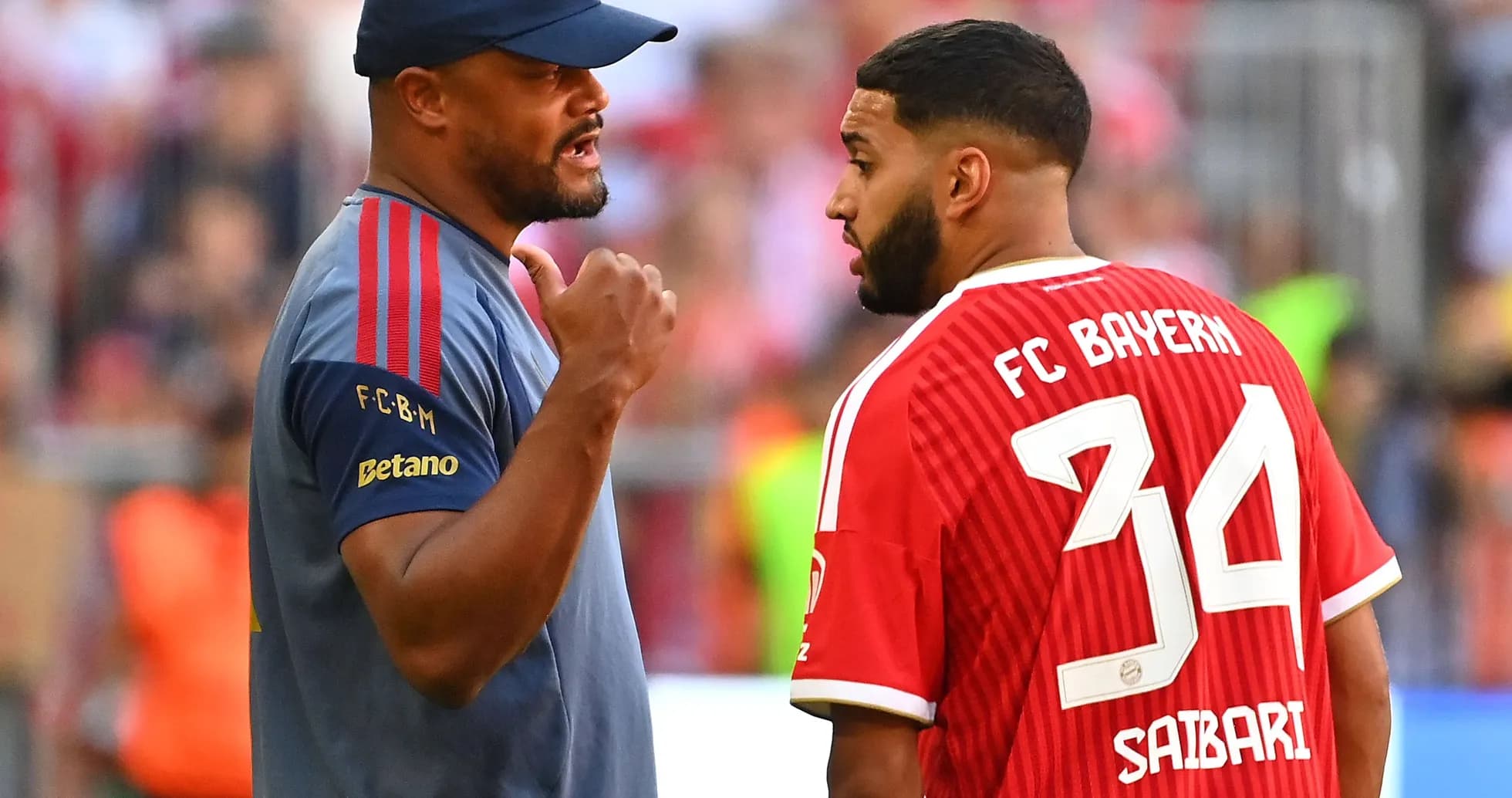
Musiala, Gnabry, Karl and €50 million signing Ismael Saibari all have a genuine claim. All expect minutes. All have reasons to believe they should start the marquee fixtures.
The schedule offers opportunities. With Bayern facing a packed calendar, Kompany will have to rotate aggressively. But rotation doesn’t answer the key question: when the season hits its decisive nights, who walks out as Bayern’s No. 10?
For a long time, Musiala looked like the automatic answer.
He wears the No. 10 shirt. He is one of the club’s top earners. He was positioned as the face of Bayern’s future, a cornerstone around whom systems and squads would be built. Right now, he is nowhere near that status.
Since returning in January, Musiala has not rediscovered his old level. After a disappointing World Cup, he had a metal plate removed from his foot. The physical reset did not bring the expected surge.
Then came the worrying images.
Musiala’s Health and a New Layer of Doubt
Musiala’s collapses in friendlies against RB Leipzig and 1. FC Heidenheim have raised serious concerns about his ability to handle the demands of elite football. The 23-year-old has been diagnosed with absence epilepsy, a condition that immediately triggered questions about his long-term prospects.
Neurologist Dr Regina Becker, speaking to SPOX, underlined that professional football remains entirely possible with this diagnosis. The condition does not automatically close the door on a top-level career.
Musiala is not looking to step away. In a widely discussed Instagram statement, he made his stance clear: in close coordination and regular consultation with experts, it is his personal wish to face the challenge and, with the clearance of neurological specialists, to continue living his everyday life and pursuing his passion for football.
He wants to play. Bayern want to protect him and still win. That tension will shape the months ahead.
Saibari Steps In With a Head Start
While Musiala wrestles with form and health, two of his direct rivals have been stuck on the treatment table.
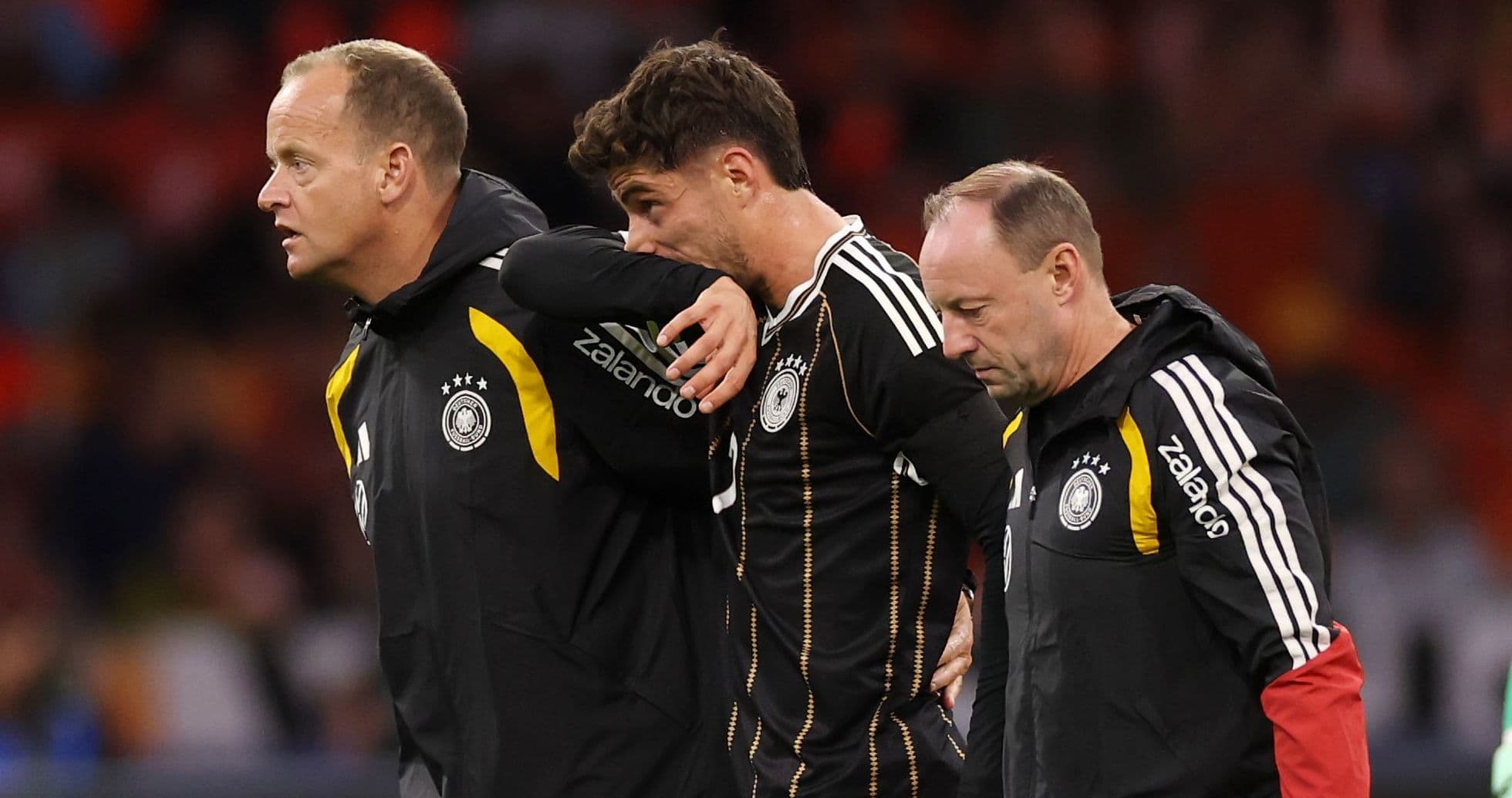
Gnabry, now 31, and Karl, just 18, both missed the World Cup with muscle injuries. They spent large parts of pre-season working alone, rebuilding fitness, edging back towards full contact. They are being eased into team training and could return as early as the Super Cup against Borussia Dortmund on Saturday. If not then, they are expected to be options again by the Bundesliga opener against VfB Stuttgart the following Friday at the latest.
That timing matters because one man has used the gap to his advantage.
Saibari, fresh off an impressive World Cup with Morocco, also suffered a torn muscle fibre and initially sat out. Now he is fully up to speed. In his first two friendly outings for Bayern, he looked sharp, comfortable, and decisive. He even supplied an assist in the 3-1 win over Leipzig.
Right now, compared with Musiala, Gnabry and Karl, Saibari is the fittest. Fitness, at this stage of the season, is a powerful selection argument. He enters the race for that vacant attacking slot with a clear edge and a chance to stake a claim before the others catch up.
Youth Glimpses, but a Deeper Squad
While the main quartet were absent, the door opened for others.
Loan returnee Arijon Ibrahimovic, 20, and academy prospects Tim Binder, 19, and Maycon Cardozo, 17, all used pre-season to show flashes of what they can do. Their performances turned heads inside the club and hinted at possible pathways into the senior picture.
Karl’s rapid breakthrough a year ago proved how quickly a youngster can go from hopeful to indispensable at Bayern. Yet repeating that story this season looks far less likely. The competition is fiercer. The pool of established players is deeper. The margin for a teenager to leapfrog four internationals has shrunk.
So Bayern stand at an intriguing crossroads in attack. A superstar front three is set. Behind them, four players with very different stories – an emerging icon, a revived veteran, a teenage climber and a big-money arrival – are fighting for one seat at the table.
Whoever claims it will help define what this new Bayern under Kompany really looks like.