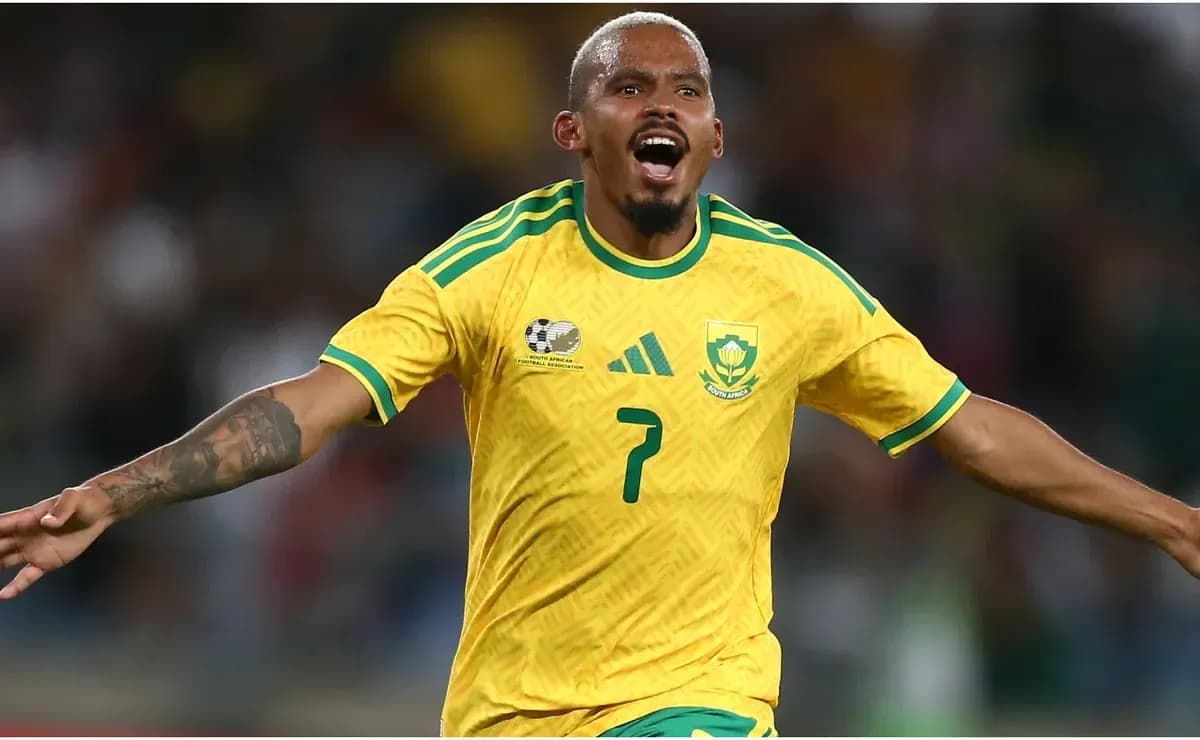
South Africa vs Nicaragua: World Cup Send-off Ends in Stalemate
South Africa wanted rhythm, confidence, and a routine win. They walked away from Orlando Stadium with a 0-0 draw, a missed penalty, and more questions than answers ahead of the 2026 World Cup.
This was supposed to be a tune‑up. It felt more like a warning.
Dominant on paper, wasteful on grass
Bafana Bafana controlled almost everything that mattered. Territory. Tempo. The ball. Everything except the scoreboard.
From the opening minutes, Nicaragua dropped deep and braced for impact. South Africa pushed high, worked the flanks, and tried to stretch a compact back line that had little interest in anything other than survival.
The early pattern was clear: South Africa probing, Nicaragua clearing. On 16 minutes, Kamogelo Sebelebele burst down the wing and picked out captain Themba Zwane, who somehow failed to steer the ball on target. It set the tone. Plenty of promise, no finish.
The right side became South Africa’s main weapon. Thabang Matuludi repeatedly found space to deliver, and Nicaragua’s defense scrambled, blocked, and hacked away just enough to stay alive. A free kick in a dangerous area on 34 minutes was ballooned into the Johannesburg sky. Another chance gone.
Nicaragua’s threat, such as it was, came in isolated moments. Raheem Cole tried his luck from distance on 28 minutes, but his shot flew high. Jonathan Moncada’s header from a set piece drifted wide. Those half-chances felt more like breathers for a South African back line that spent most of the afternoon watching the game unfold in front of them.
The penalty that changed nothing
Then came the flashpoint.
On 42 minutes, Sebelebele went down in the box under minimal contact. The referee pointed to the spot, Nicaragua protested furiously, and the replay did the Central Americans’ case no harm. It looked like a soft call, a dive even, but the decision stood.
Justice, if you believe in such things in football, arrived three minutes later. Lyle Foster stepped up, stuttered in his run, and slammed his penalty against the post. The ball cannoned away, Nicaragua breathed again, and South Africa trudged to the break with bitter expressions and nothing to show for their superiority.
At half-time, the story was simple: better athletes, better squad, no punch.
Appollis ignites, Pineda refuses to bend
Hugo Broos rang the changes at the interval. Ricardo Goss made way for Sipho Chaine in goal, while Oswin Appollis, Thapelo Maseko, Iqraam Rayners and Relebohile Mofokeng were all thrown into the mix.
The transformation on the wing was immediate.
In seven minutes, Appollis did more damage than South Africa had managed in the entire first half. He ran at defenders, twisted past tackles, and injected speed and chaos into a match that had been too predictable. Nicaragua suddenly looked stretched.
But every surge met the same immovable force: Adonis Pineda.
The Nicaraguan goalkeeper turned the second half into his personal showcase. On 49 minutes, he dealt with two quick-fire chances from South Africa as the pressure cranked up. At 54, a tame shot took a wicked deflection and almost looped over him, but he adjusted, backpedalled, and gathered.
Maseko cut inside on 61 minutes and let fly with a powerful effort. Again, Pineda stood firm. The game became a duel: South Africa’s waves of attack against one goalkeeper in the form of his life.
The clearest warning sign for Bafana Bafana came on 57 minutes. Appollis once more torched the flank and whipped in a superb cross. Mofokeng arrived, swung, and completely missed the ball. It was the kind of chance that should bury a friendly. Instead, it underlined South Africa’s lack of composure in front of goal.
Double save, deadlock, and a gray finish
As the clock ticked into the final 20 minutes, the match drifted into what could only be described as a gray zone. The tempo dropped. Passes slowed. Nicaragua, legs heavy but discipline intact, sat even deeper.
Then Pineda produced the moment of the night.
On 81 minutes, a deflected header forced him into a sharp reaction stop. The rebound fell kindly for South Africa, only for the keeper to spring up and block again with a stunning second save. It was a double intervention that summed up the entire contest: South Africa knocking, Nicaragua’s goalkeeper slamming the door shut.
By 84 minutes, another South African effort skidded low and wide. The chances kept coming, the net refused to ripple.
Six minutes of added time brought more urgency but no clarity. Crosses flew in, shots were snatched at, and Nicaragua clung on. When the final whistle went at 90+6, the visitors celebrated a famous 0-0 as if it were a win. For a nation that rarely avoids heavy defeats on the international stage, this was a result to remember.
Historic night for Nicaragua, uneasy one for Bafana Bafana
Nicaragua will not be in the 2026 World Cup, but this performance gives them something tangible: a resilient defensive display, a goalkeeper they can trust, and a clean sheet against a World Cup-bound side on their own turf.
They created almost nothing going forward. It did not matter. Their structure held, their back line refused to crack, and Pineda delivered a massive individual performance that will sit near the top of his personal highlight reel.
For South Africa, the story is very different.
They head into Group A — with Mexico, Czechia, and South Korea waiting — knowing they can dominate weaker opposition and still walk away empty-handed. The build-up play was often slick. The athleticism and physical edge were obvious. Yet in the areas that decide tournaments — penalty boxes, penalty spots, and moments of calm under pressure — they looked anything but convincing.
This was meant to be a confidence-boosting rehearsal. Instead, it leaves one question hanging over Bafana Bafana as the World Cup looms: who, when it really matters, is going to score their goals?