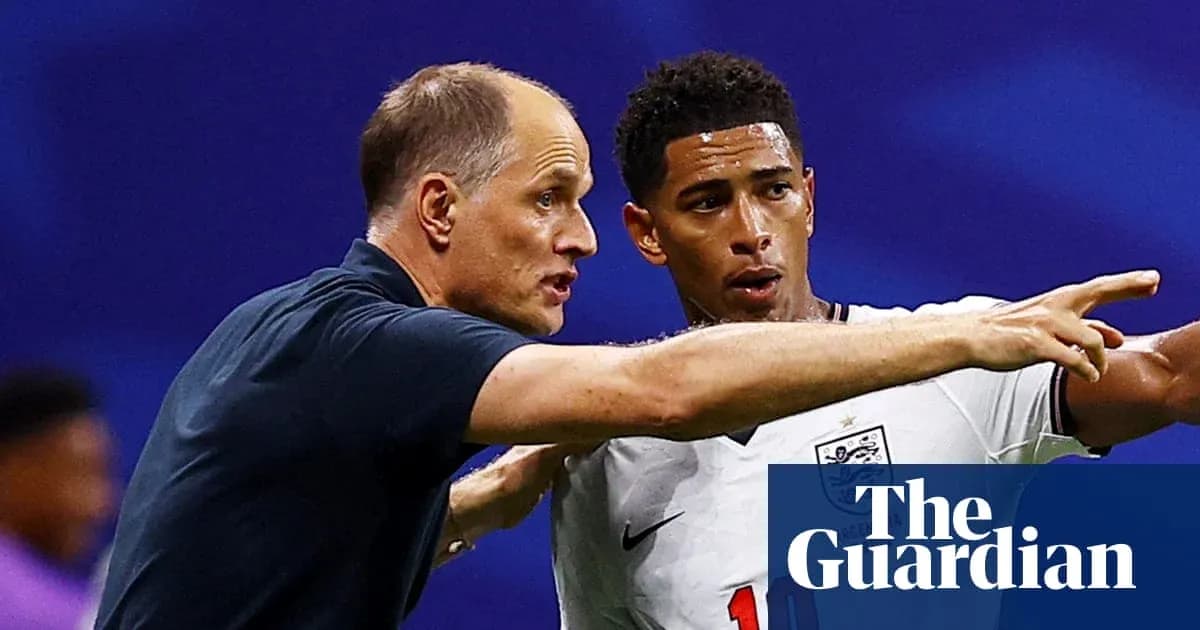
Thomas Tuchel's England Journey: From Heartbreak to Hope
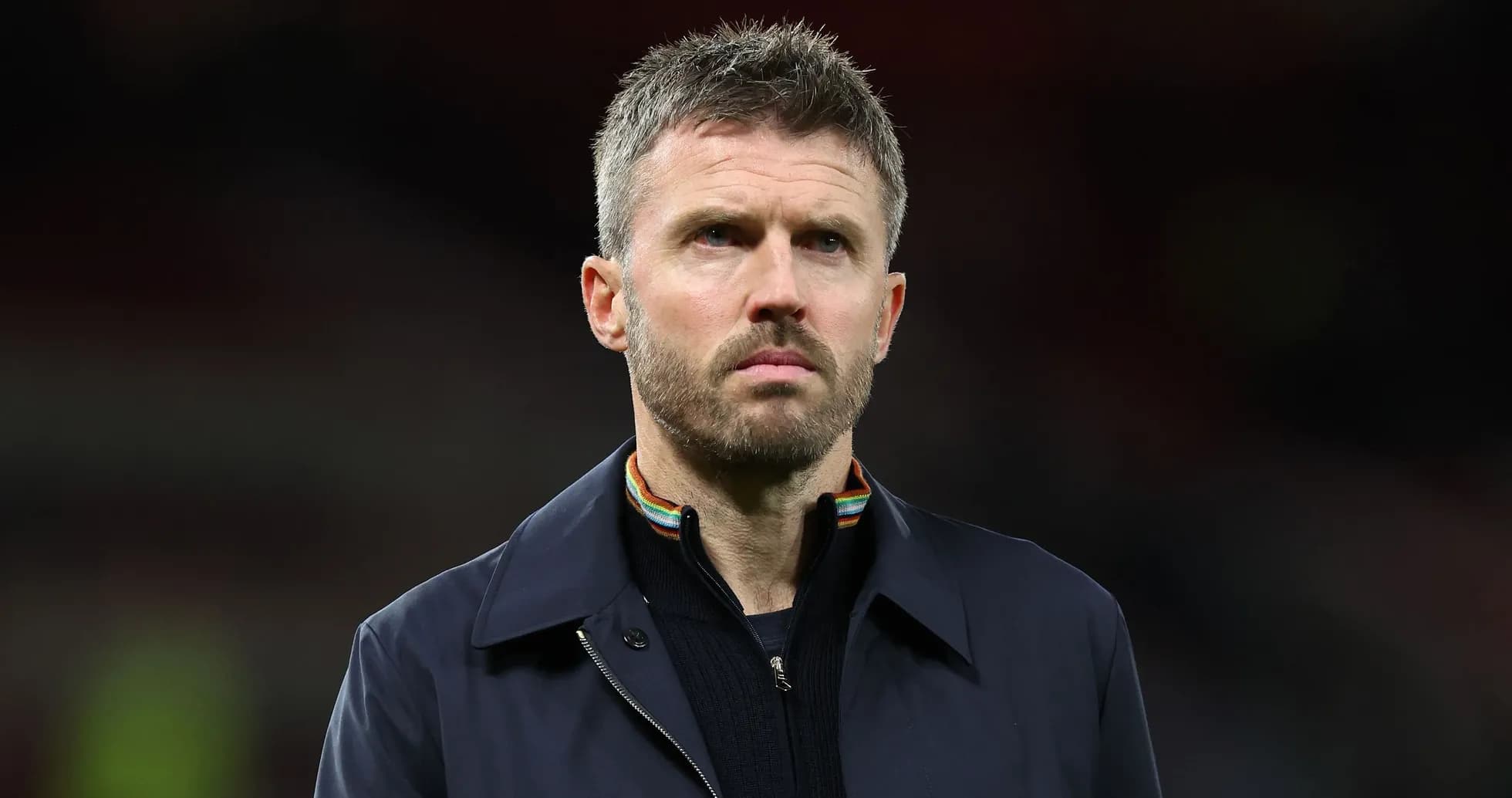
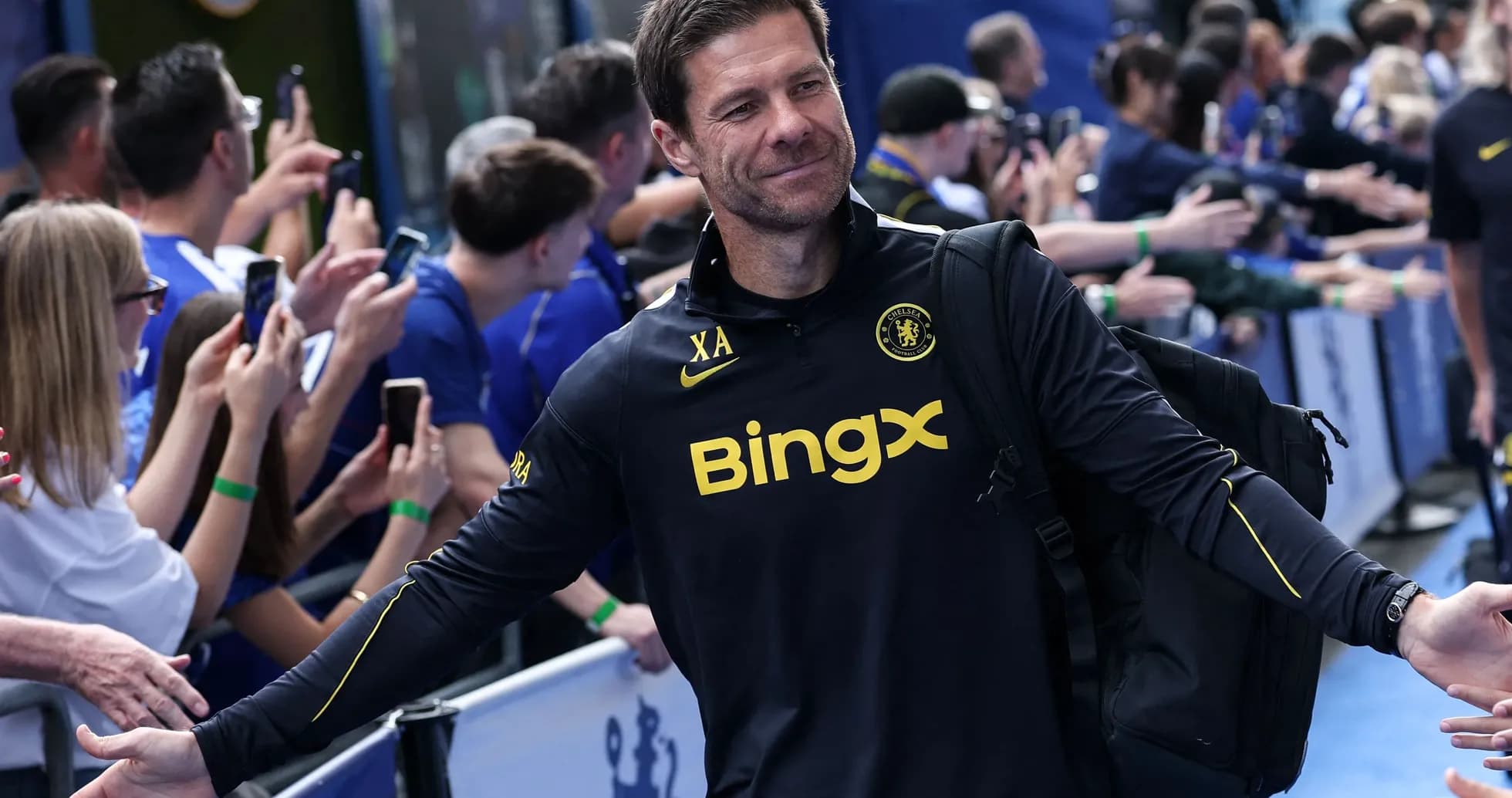
Thomas Tuchel has been a familiar face around Premier League grounds again, drifting through directors’ boxes and VIP lounges, but the conversations keep circling back to one thing. At one such gathering, an England colleague asked how he was holding up. Tuchel’s answer was blunt. “People are killing me,” the England manager said. Still.
Two months on from that 2-1 World Cup semi-final defeat by Argentina in the United States, the wound is nowhere near closed. The emotions still sit close to the surface: heartbreak, anger, bewilderment. A 1-0 lead with five minutes to go, a place in the final in their hands, and then it all slipped away. For many around the team, it felt like a scar that may never fully fade.
From that point, the reaction has split in two. One part of the fanbase cannot let it go. For them, this was a golden chance thrown away, and Tuchel is the man who squandered it. The late collapse, the substitutions, the retreat into their own box – they pin it all on him.
Others see the same tournament and draw a different conclusion. They look at how England fought to reach only the fourth World Cup semi-final in their history. They remember the personality of the side, the surges of belief, the way they went to the Azteca Stadium and knocked out Mexico in the last 16. They recall the grind against Norway in Miami, 120 minutes in 40C heat, and still finding a way through in extra-time. They remember the wild, breathless opening win over Croatia. And they see a team that then beat France in the third-place playoff to secure England’s best World Cup finish since 1966.
Both versions of the story exist side by side. The fury and the perspective. Tuchel hears both, but it is clear which voice has been loudest in his head. He remains bruised by the backlash, a little bemused too. England do not stroll into World Cup semi-finals every four years. This is not routine.
Yet this is the tension that now follows him into the next cycle, the one that leads towards Euro 2028, when England will be co-hosts. On Friday, he will name his squad for the opening four Nations League fixtures: Spain at Wembley, Czechia home and away, then Croatia in Zagreb. A fresh campaign, but the old arguments are still humming in the background.
Tuchel wants to look ahead. So do his employers at the Football Association. For his own sake, he needs to let go of the Argentina inquest, however excessive he feels the criticism was, however much it has distorted the view of what England actually did at that World Cup.
The job has long been called impossible for a reason. The expectations are suffocating. Every defeat is a referendum on the manager’s competence, his character, his future. The fallout bleeds into the next camp, the next tournament, the next generation. It becomes a loop of hope, rage and blame. There is only one way that circle ever breaks.
If Tuchel needs reassurance, he can find it in the FA’s stance. Their faith in him is not flimsy. They would not have sacked him even if England had crashed out to the Democratic Republic of the Congo in the last 32 – and at 1-0 down with 15 minutes to play, that nightmare felt very real. Tuchel himself wondered if this was how his World Cup would end. Then Harry Kane scored twice, dragged his team out of an Iceland 2016-style catastrophe and turned one of the most stressful England nights in memory into a stay of execution. On that alone, some at Wembley would happily write “Ballon d’Or” next to his name.
What the FA saw in that game, and others, was a manager whose in-game changes repeatedly altered the course of matches. They saw a squad that believed in each other and in him. Tuchel has spoken often about the “brotherhood” within the group; this was not a slogan for the cameras. The FA bought into that spirit. They remain firmly behind him. The idea that he should have resigned, or been pushed, after finishing third at a World Cup is, to them, absurd.
Tuchel went to the United States talking about putting a second star on the England shirt. He did not get there. Did that death-or-glory rhetoric make the fall harder when it came? Perhaps. But what would have played better: aiming for a quarter-final exit? Settling for “a decent run”? He chose to say out loud what most managers only think.
Inside the FA, there was always a quieter, more cautious assessment. England arrived as the fourth seeds. The draw did them no favours: a late start, a long gap between the first and second group games, then a compressed schedule. The travel, the heat, the altitude – all of it pointed towards a brutal tournament. Behind closed doors, there was genuine concern that winning the whole thing might simply be beyond this group.
The Euros feel different. The tournament is effectively at home. England, alongside Scotland, Wales and the Republic of Ireland, pushed hard to host Euro 2028 for a reason. Familiar pitches, familiar crowds, minimal travel. The conditions are finally stacked in their favour.
But the Argentina defeat still hangs over everything. Can the country move on from it? Can Tuchel’s explanations – and his mistakes – be processed and parked? The answers will shape the mood going into this next phase.
The semi-final itself remains a sore, forensic subject. In the second half, as Argentina cranked up the chaos, Tuchel could not get a tune out of his players. That is his responsibility. Yet the context matters. England were running on fumes. Ten men at altitude against Mexico. Extra-time in furnace-like conditions against Norway. By the time they faced Argentina, the tank was almost empty.
Even before the second-half hydration break, England were dropping deep, then deeper still. Survival mode. When Tuchel sent on Ezri Konsa for Anthony Gordon and shifted to a back five, it only made the retreat feel more pronounced. From the touchline, he saw a team that could barely run, let alone press, and he chose to reinforce the barricades. It was, in his mind, the percentage play, the least bad option.
It did not work. Once it failed, the optics were awful: a manager accused of flinching when he should have gone for the throat. Would bolder, more attacking changes have altered the outcome? Nobody can say for sure. What is clear is that by the end, England were well beaten.
Now comes the reset, and it starts with a tough Nations League group. Back in Group A, England face Spain, Czechia and Croatia. Spain at Wembley next Saturday is the kind of fixture that exposes any lingering fragility. That is exactly what the FA want.
Last time, dropping into Group B did more damage than they realised. Ireland, Finland, Greece – on paper it looked manageable, a chance to build rhythm and confidence. Instead, the games lacked edge, and England even contrived to lose 2-1 to Greece at Wembley. World Cup qualifying was no ordeal either. The hope this time is simple: sharper opposition now, sharper England at the Euros.
Tuchel’s squad announcement will carry its own intrigue. Four World Cup players are likely to miss out through injury: John Stones, Dan Burn, Djed Spence and Jordan Henderson. That opens doors. Tino Livramento, Levi Colwill, Jarrad Branthwaite and Lewis Hall are all pushing hard for defensive recalls.
Midfield poses another question. Does Kobbie Mainoo keep his place after a World Cup that never really got going for him? His Manchester United form has been one of the few bright spots in their troubled start. Alex Scott and Myles Lewis-Skelly are also in the frame for returns.
Then there is the creative core. Cole Palmer and Phil Foden are both vying for the No 10 role. Eberechi Eze and Noni Madueke, by contrast, have struggled to restart the season at Arsenal. Further forward, there is a growing buzz around Josh King and Ryo Ngumoha, with Dominic Calvert-Lewin and Liam Delap also forcing their way into the conversation.
The names will matter. The tone will matter more. When Tuchel steps up to announce his squad, every word, every shrug, every pause will be examined for signs of where his head is. One lesson from the World Cup is clear enough: going on the defensive, on or off the pitch, has already cost him once.