Tottenham's Ambitious Push for WSL Elite
Tottenham mean business. You can see it in the numbers, the names and the timing. This is not a club dabbling in the market; this is a club trying to kick down the door to the WSL’s elite.
Last season’s fifth-place finish felt like a turning point after a year spent flirting dangerously with relegation. This summer has underlined it. Spurs have stopped behaving like survivors and started acting like contenders.
A record fee and a statement of intent
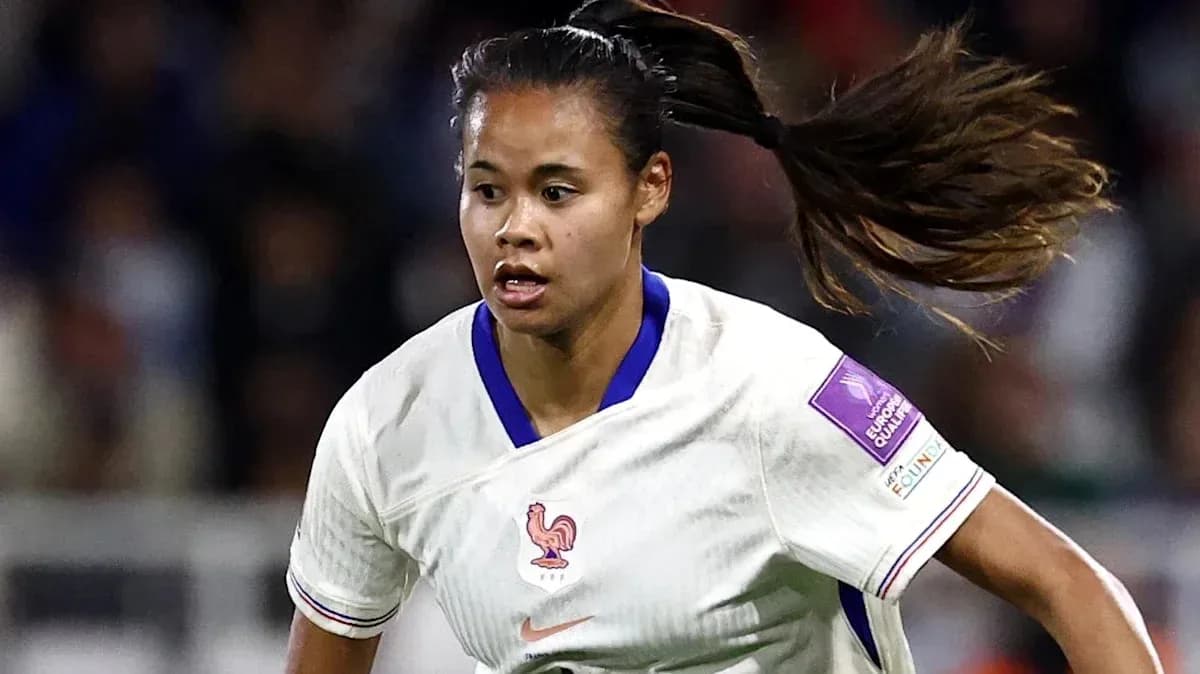
The headline move is clear enough. Tottenham broke their club transfer record to prise France defender Alice Sombath from Lyon, a signing that places them firmly in the European talent market rather than on its fringes. It follows the roughly £375,000 they spent in January on Norwegian forward Signe Gaupset – a fee that looked ambitious at the time and now feels like the start of a trend.
Around those two deals, the recruitment has been relentless and targeted. Shekiera Martinez and Kirsty Hanson add proven cutting edge in attack. Caitlin Dijkstra bolsters the back line. Victoria Pelova brings guile and control in midfield. Selma Panengstuen arrives to strengthen the goalkeeping department.
On paper, it looks like a squad built not just to bloody the noses of the big four, but to stand alongside them. On the pitch, that theory will be tested soon enough.
From survival mode to a 12‑month plan
This is only Tottenham’s seventh season in the WSL, yet the scale of their growth is striking. Staff numbers have risen, infrastructure has improved, and the women’s team now has its own base at the club’s Hotspur Way training centre. A planned new women and girls academy facility was blocked in court this week, a reminder that progress is rarely smooth, but the direction of travel is unmistakable.
The club has been here before in terms of big gestures. Within months of promotion in 2019, almost 40,000 turned up at Tottenham Hotspur Stadium for a north London derby defeat by Arsenal. A year later, USA star Alex Morgan arrived on a short-term loan shortly after giving birth. In 2024, Spurs reached the Women’s FA Cup final.
The difference now is the structure behind the ambition. After a disappointing 2024-25 campaign under Robert Vilahamn, which cost him his job, Martin Ho came in and immediately stabilised the side, lifting them back up the table in his debut season.
Since Ho’s arrival in July 2025, Tottenham have worked to a clear 12‑month recruitment plan. Targets were mapped out across three transfer windows, and the groundwork for some key signings – including striker Cathinka Tandberg and defender Toko Koga, both of whom joined in 2025 – was already advanced before Ho had even signed his contract. They have since become central to his team.
Ho used his first summer to assess what he had, then pushed through what club sources describe as a “widespread evolution” of the squad. Spurs insist they landed all of their primary targets in January and say they have done the same again this summer, even with the window open until 3 September.
The timing is no accident. Deals were driven through early so Ho could have a full pre-season with his complete group, drilling ideas and combinations rather than waiting on late arrivals.
Behind the scenes, managing director Andy Rogers – a 24-year servant of the club – has led this summer’s transfer work, determined to leave the women’s side in a strong position before he steps down. It is a handover phase, but not a hesitant one.
Chasing Europe in a crowded race
What does all this buy them? The answer will come over nine months of league football, but the aim is not disguised.
Tottenham have now firmly established themselves as a WSL club. The next step is Europe. Ho has repeated the message: Spurs want to compete with the best in the league and build a squad capable of playing in continental competition.
The problem is the traffic ahead of them. Only the top three in the WSL qualify for the Women’s Champions League, and those spots have been jealously guarded by Arsenal, Chelsea, Manchester City and Manchester United. Cracking that cartel is a huge jump for any club, let alone one still relatively new to the division.
And the competition is not just above them. London City Lionesses and Brighton have been spending aggressively too, both openly chasing the same breakthrough into the top three. Their investment has acted as a warning flare for Spurs: stand still and you slide backwards.
Tottenham have chosen to accelerate instead. This is a period in the women’s game when financial regulations and salary caps are still being shaped, giving clubs scope to push hard with little immediate restriction. That freedom may not last. Spurs are trying to make it count now.
Their heavy backing of the women’s side this summer sits alongside an equally bold window for the men’s team, who are scrambling to recover from a Premier League season that almost ended in relegation. The combined push reflects a broader shift in strategy following the departure of long-serving chairman Daniel Levy in September 2025 and subsequent boardroom changes.
Vinai Venkatesham’s arrival as chief executive officer in April 2025 is central to that story. At Arsenal, he was a key figure in the women’s team’s rise; Tottenham are banking on him repeating the trick in north London’s other shade of white.
Talent, identity – and the missing crowd
On the pitch, the plan is clear. Spurs are stitching together some of the most exciting young players in Europe – Gaupset and Sombath among them – with forwards who already know how to score in the WSL, such as Hanson and Martinez. The idea is to give Ho a squad he can mould, a group that can grow together rather than peak and break apart.
One major challenge lingers away from the training ground. Tottenham’s average WSL attendance last season was just 1,734, a figure that already includes the spikes from occasional matches at the main stadium. For a club of this size, that number jars.
The team is being built to look and feel like a big club operation. The question now is whether the fanbase will move with it, fill the stands, and turn these ambitious signings into the foundation of something louder, larger and lasting.
The recruitment is in place. The strategy is set. If Tottenham can match their off-field boldness with on-field results and a growing crowd, the race for those Champions League places might soon have a new and very serious contender.