Thomas Tuchel's England Job: Bellingham vs. Rogers for No.10 Role
Thomas Tuchel has not tiptoed into the England job. He has kicked the door open.
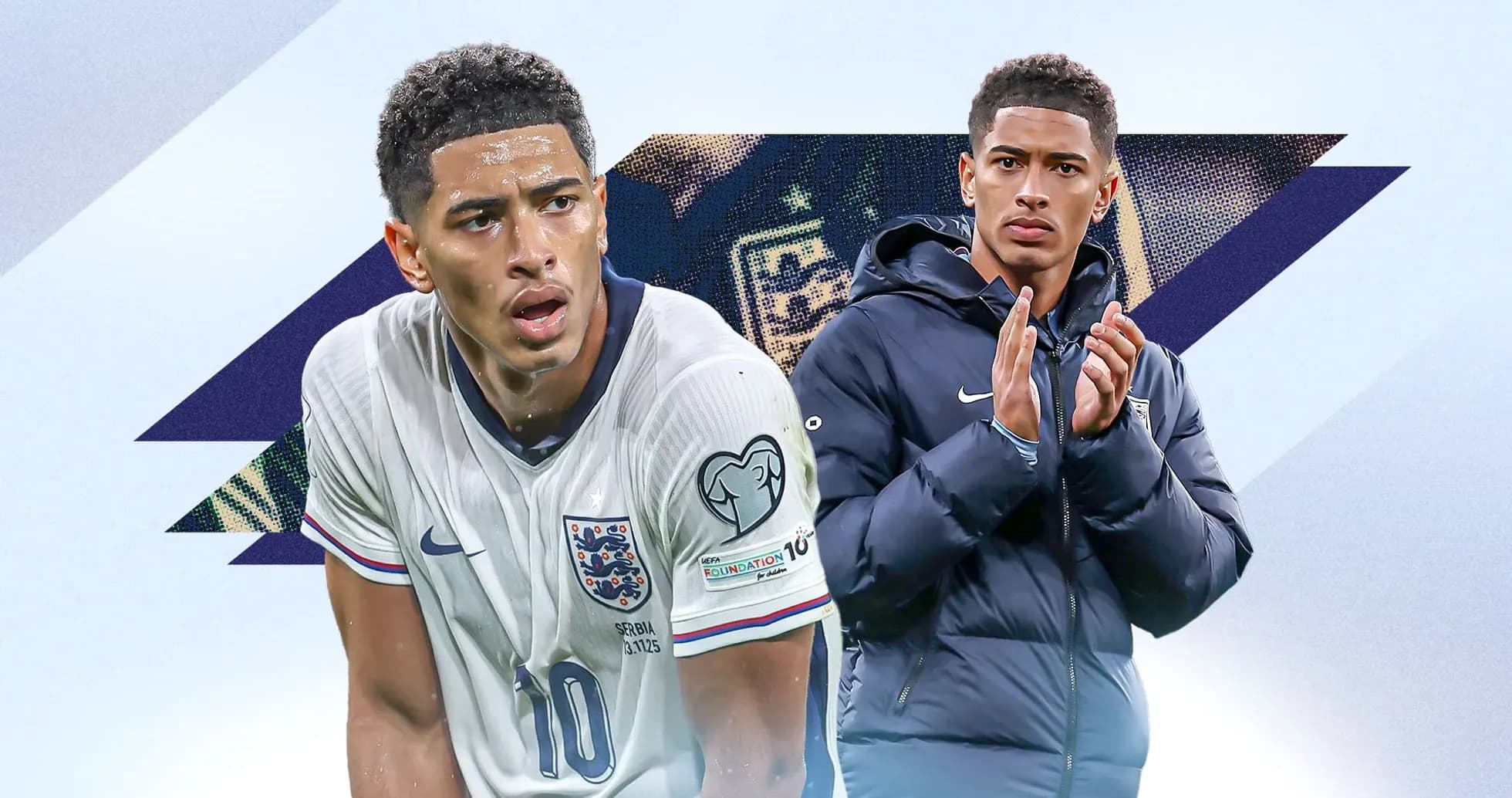
From his first camp, the message has been blunt: reputations mean nothing, places are there to be won, and even Jude Bellingham is not immune. The most gifted English midfielder of his generation finds himself in a straight fight for the No.10 role with Morgan Rogers – a player who, a year ago, was barely on the international radar.
Rogers has forced the issue. The Aston Villa playmaker arrived off the back of a breakout season and carried that confidence into the England set-up. When injuries kept Bellingham out of camps, Rogers stepped into the space and refused to give it back. He hasn’t flooded the scoresheet, but he has given Tuchel something pure: a classic No.10, a link man who lives between the lines, who sees passes that others don’t.
Tuchel has liked what he’s seen. During qualifying, as he tinkered with shapes and roles behind Harry Kane, Rogers became a constant creative outlet. Not the star, but the one who made the stars around him shine a little brighter.
So now there is a genuine choice.
“Rather than finding the best players a position to just have them on the field, it's maybe better to put everyone in their best position and have a competition. At the moment, the competition is between the two of them,” Tuchel said back in November, laying out the battle between Rogers and Bellingham for that prized slot behind Kane.
It was a line that cut through the usual England noise. No automatic picks. No sacred cows. Not even Bellingham.
On form alone, Rogers has a powerful argument. His club season with Villa has been electric, his England performances assured and inventive. He has done the simple, old-fashioned thing: played well, consistently, in the role the manager wants.
Bellingham, by contrast, has had to fight his way back from surgery, fight his way back into rhythm, and now, fight for his place.
And he is fighting something else as well: perception.
Bellingham has always played with an edge. He walks onto a pitch as if it belongs to him, chest out, jaw set, game on. That bravado fuels his best nights. It can also spill over. It did in the 3-1 defeat to Senegal last June, when his furious reaction to a VAR call burned across screens and sparked familiar questions about his temperament.
Tuchel was pressed on that flashpoint on TalkSport after the friendly at the City Ground. His answer was revealing, not just about Bellingham, but about how he sees the emotional temperature of his team.
“I think he brings an edge, which we welcome and which is needed if we want to achieve big things,” Tuchel said. “It needs to be channelled. The edge needs to be channelled toward the opponent, towards our goal and not to intimidate team-mates, or to be over aggressive to team-mates or referees.”
So far, so standard for an elite coach. Harness the fire, don’t extinguish it. But then came the line that has followed Tuchel ever since.
“I see that it can create mixed emotions. I see this with my parents, with my mum that she sometimes cannot see the nice and well-educated and well-behaved guy that I see… If he smiles, he wins everyone, but sometimes you see the rage, the hunger and the fire, and it comes out in a way that can be a bit repulsive. For example, for my mother, when she sits in front of the TV, I see that, but in general we are very happy to have him, he's a special boy."
It was clumsy, and it stuck. Not because Tuchel doubted Bellingham’s talent – he called him “special” in the same breath – but because it played into a wider, more uncomfortable debate about how the midfielder is viewed.
When Bellingham finally returned to the England squad in November, those words hung in the air. Every interaction, every substitution, every look became a talking point. Tuchel’s relationship with his most gifted player was suddenly under the microscope.
The Serbia game that month sharpened the focus. Bellingham started on the bench, a decision that would have been unthinkable under previous regimes. Three days later against Albania, he was back in the XI, driving England on, only for the cameras to catch what looked like an angry gesture when Tuchel hauled him off with six minutes to go in the final qualifier.
Tuchel’s response was as cold as it was calculated.
“That's the decision, and he has to accept the decision,” he said. “His friend is waiting on the sideline, so you need to accept it, respect it, and keep on going.”
The message was unmistakable: nobody is bigger than the plan.
Away from the dugout, the conversation around Bellingham has taken on a different tone. Former England striker Ian Wright has been one of the most vocal defenders of the midfielder, and he has not shied away from calling out what he sees.
“I don't think they're ready for a black superstar who can move like Jude is moving. They can't touch him,” Wright said of some sections of the English media and fanbase. “He goes out there, he performs, he does what he does. It's too uppity for these people.
“They all love N'Golo Kante. He's a humble Black man, gets on with what he's doing. Someone like Jude frightens these people because of his capability and the inspiration he can give. Because if you are outspoken, Black, and playing to that level and not caring, that frightens certain people. It's a tiring exercise to speak about."
Those words cut to the heart of the Bellingham discourse. How much of the criticism is about football, and how much is about who he is, how he carries himself, what he represents?
Strip all that away and the football truth is simple: Bellingham at his peak makes England a better team. He changes the geometry of a match. He drags opponents out of shape, breaks lines, scores big goals. The problem, for now, is that those peak performances have not come as often in recent months.
So Tuchel walks into England’s World Cup opener in Dallas with a decision that could define his tournament.
Does he back the generational talent, the midfielder who can tilt a game on its axis but might let his emotions flare? Or does he reward the man in form, Rogers, whose lack of tournament experience is balanced by his clarity in the role and his current level?
Tuchel has tried to poke the bear, to light a fire under Bellingham with public challenge and private demands. Instead, the noise around the player – and those awkward comments about “repulsive” moments – has often drowned out any cool-headed analysis of how well, or otherwise, he has actually played.
The No.10 shirt will be Bellingham’s this summer. That much is certain. What is not certain is whether he will be the No.10 on the pitch when England walk out against Croatia.
Either way, Bellingham will not slip quietly through this World Cup. He will dominate headlines – for a moment of genius that drags England forward, or for a flash of petulance that drags the debate back to his temperament.
Which version appears may not just shape his own story. It may decide how far England go.