Tuchel Reflects on World Cup Defeat and Tactical Regrets
Anthony Gordon’s goal was supposed to be the launchpad. Instead, it became the cruelest of false dawns.
England led Argentina, the Three Lions seemingly on course for a place in the World Cup final, before the night disintegrated into the kind of collapse that scars a generation. The South Americans surged back with a ruthless late comeback, ripping apart a lead that had once looked sturdy, and with it England’s dream.
In the immediate aftermath, the England manager pointed the finger at something deeper, almost cultural. He spoke about a national flaw, a recurring inability to keep the ball when it mattered most. An identity problem.
Now, with time and distance, he has turned that blame inward.
‘This is death’ – Tuchel’s tactical regret
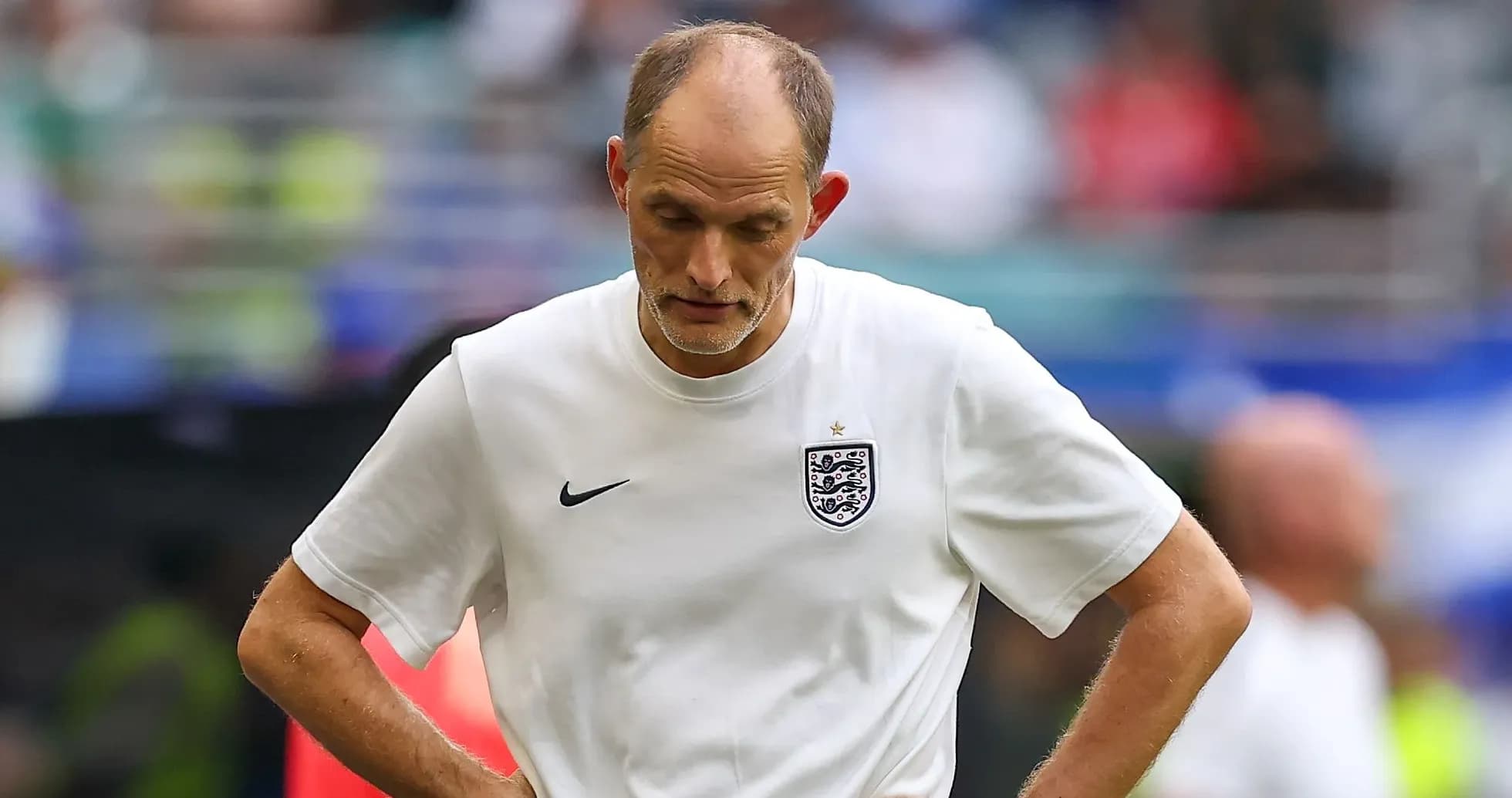
On the FA documentary Reflections: England's World Cup Journey, Thomas Tuchel lays bare the weight of that defeat. He does not dress it up. He does not pretend he has moved on.
“Agony of epic proportions,” he says. He admits he still cannot bring himself to sit through the full 90 minutes against Argentina. Only in the past week, at St George’s Park, did he force himself to watch a series of short clips with his coaching staff.
“My mind always works forward, forward. Painful,” Tuchel says. “I see it now for the first time from the commentators’ point of view. It’s my scar, the players’ scar, I have to live with it. No-one is hurt more than me. It is torture.”
The turning point, in his eyes, was not a goal. It was a decision. His decision.
Tuchel explains that he read the mood of his players and the rhythm of the game, and panicked. He felt the team were physically and mentally drained after a brutal schedule that had dragged them through Congo, Miami, Norway and then Mexico’s altitude. The travel, the time zones, the conditions – all of it, he felt, had emptied the tank.
“We conceded a chance just before the water break. I thought we will not survive. This is death,” he recalls. “I thought: ‘OK, let’s change to a back five, a 5-4-1.’ It was too early for that mindset. It was Congo, Miami and Norway and then Mexico and altitude. We were super tired.”
That shift, designed to protect what they had, only invited Argentina on. The defensive shell gave the South Americans the ball, the territory and, eventually, the belief. England retreated. Argentina advanced. The momentum flipped and never came back.
The tackle that changed everything
Tuchel is adamant England had started well. Gordon’s opener gave them a platform and, for 45 minutes, they stood toe to toe.
“You have to have football quality. We prepared so well. I think we did quite well in the first half, it was quite an even match and I felt we were there,” he says.
Then the second half began, and one moment lodged itself in his mind.
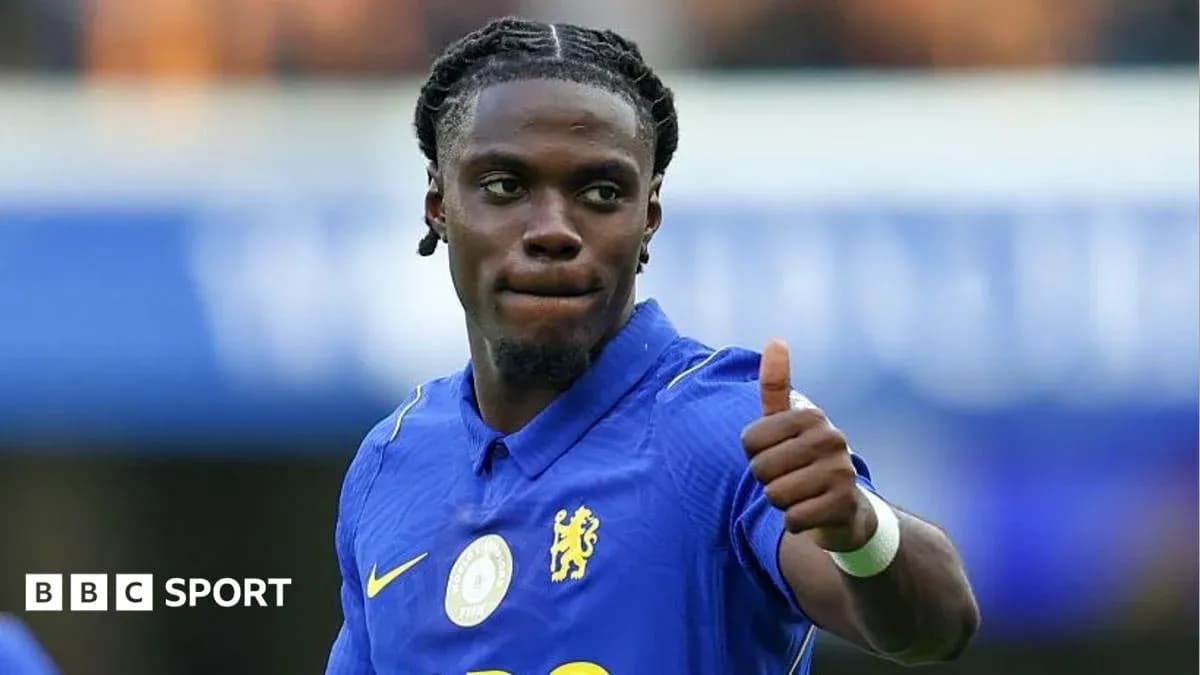
“The famous tackle of Djed Spence,” Tuchel calls it. Not a goal, not a red card. A tackle. But it rattled something inside him, and he believes it did the same to his players.
“It did something to me, it did something to the players and it was a shift in the mindset,” he admits. “We played like we had four minutes left but there was half an hour left.”
From that point, England’s football shrank. Instead of calm possession, they clung on. Instead of building attacks, they hacked clear. They tried to lean on character and spirit, the intangibles that had carried them through earlier rounds.
“We relied on our brotherhood, our mentality. Individual quality,” Tuchel says. “Argentina have that as well – brotherhood, mentality, they bring it all to the table and it means the world to them. Argentina played very, very quickly. They had nothing to lose.”
Argentina sensed the fear, raised the tempo and tore into the space England’s caution had created. The comeback felt inevitable. For Tuchel, watching it back, it feels self-inflicted.
Pride, pain and a promise
The story did not end with that defeat. England regrouped, steadied themselves and beat France to secure third place. It was not what they came for, but it was something tangible in the rubble.
“You learn as a coach. You have to play as if it is 0-0. That includes me as well,” Tuchel says. The lesson is simple: never let the scoreboard drag you into a siege before the clock demands it.
He still wears the medal from that third-place finish with a complicated mix of pride and regret.
“I have a lot of people who want to see my medal. We did not achieve what we wanted. But I am still very proud of what we achieved. These players will come back hungry.”
The scar remains. So does the torture of that night against Argentina. But so, too, does the promise that the next time England stand on the brink, they will not retreat into their shell.