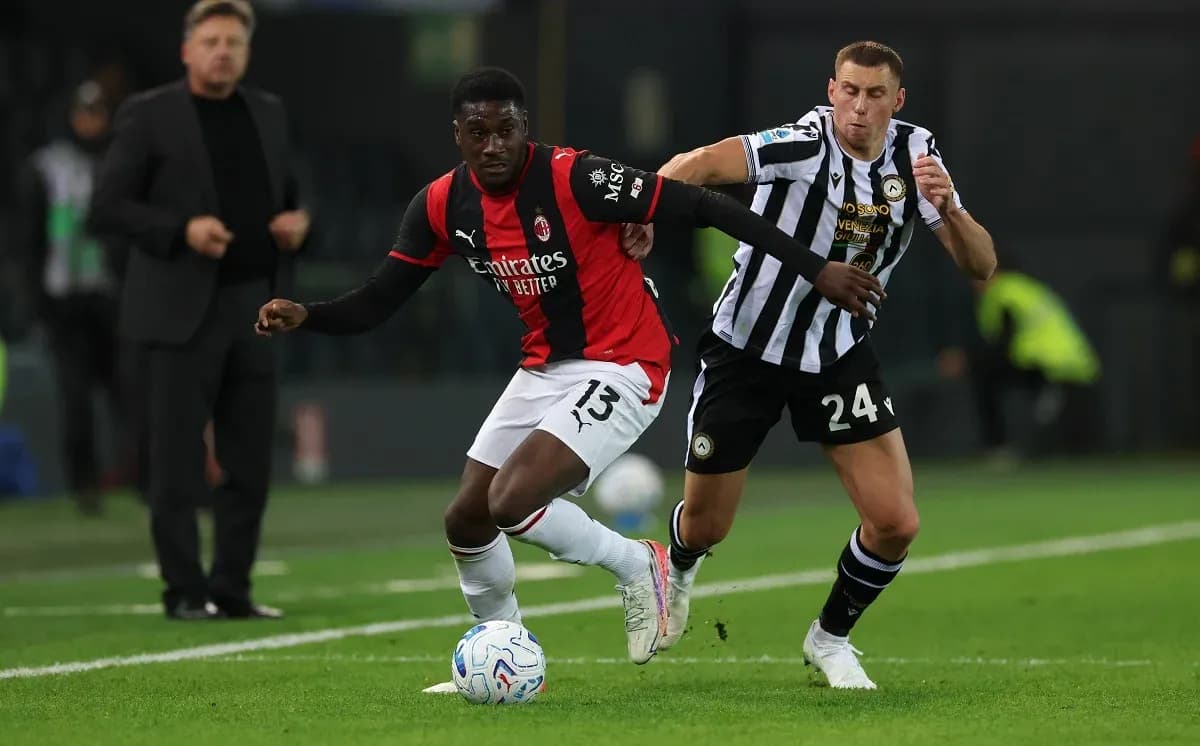
Udinese vs AC Milan: A Clash of Contrasting Fortunes
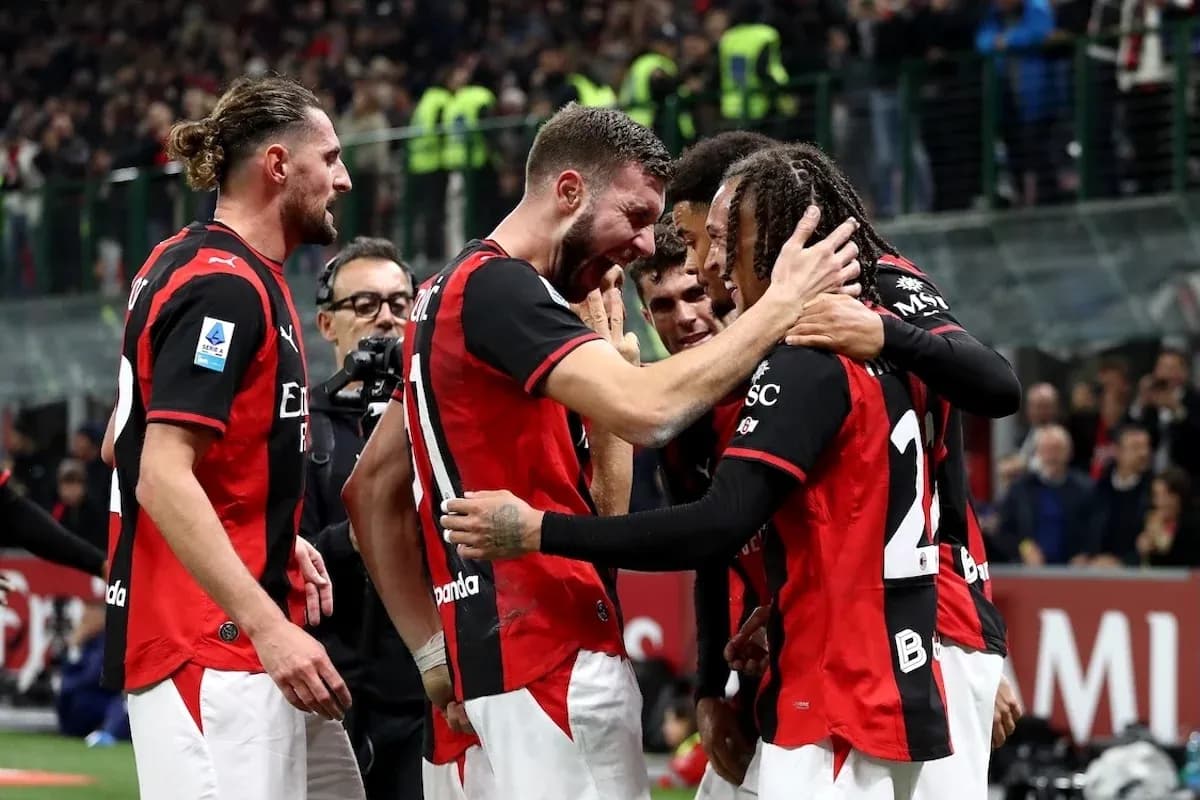
Under the lights of the Bluenergy Stadium, this was a meeting of two clubs moving in opposite directions. Udinese, 17th in Serie A with 4 points from 8 matches, carried the weight of a five-game losing streak into a contest they could scarcely afford to let slip. AC Milan, fourth with 18 points from the same number of games and unbeaten, arrived as a side that has quietly built a ruthless, controlled identity under Ruben Amorim.
Both coaches mirrored each other structurally with a 3-4-2-1, but the shared formation only highlighted the gulf in execution. Udinese’s season-long numbers told the story before a ball was kicked: overall they had scored 9 and conceded 18, a goal difference of -9. At home, the picture was even bleaker — 2 goals for and 9 against across 5 matches, with an average of just 0.4 goals scored and 1.8 conceded. Milan, by contrast, came in with 16 scored and 7 conceded overall, a goal difference of +9, averaging 2.0 goals per game and conceding only 0.9.
I. The Big Picture – Structure and Seasonal DNA
Kosta Runjaic stuck to the 3-4-2-1 that has become Udinese’s default this campaign, the only system they had used in their 8 league matches. M. Okoye anchored a back three of J. Abankwah, C. Kabasele and M. Palma. The wing-backs, M. Vojvoda on the right and H. Kamara on the left, were asked to provide width and transitional thrust, with J. Karlström and J. Piotrowski forming the double pivot. Ahead of them, G. Chakvetadze and J. Ekkelenkamp floated behind lone striker K. Davis.
On paper, it is a shape designed for compactness and counters. In practice, Udinese’s statistical profile has been one of fragility and brief, frantic surges. Their goals are heavily clustered between 31-45 minutes, with 44.44% of their total strikes arriving just before half-time, but they also concede across almost every band, with a particular soft spot from 61-75 minutes where 27.78% of their goals against occur. They had yet to keep a clean sheet in the league and had failed to score in 3 matches overall — a worrying backdrop against a side as controlled as Milan.
Amorim’s Milan mirrored the 3-4-2-1 but with a very different intention. M. Maignan stood behind a back three of K. De Winter, S. Pavlović and S. Diawara. The line between defence and midfield was fluid, with F. Tomori operating as an aggressive right-sided midfielder, L. Modrić and A. Jashari orchestrating centrally, and D. Bartesaghi providing balance on the left. In the pockets, O. Hutchinson and C. Pulisic buzzed around the lanes feeding G. Ramos.
Milan’s season data reveals a team that leans heavily into controlled tempo and late acceleration. Overall, they averaged 2.7 goals at home and 1.6 on their travels, but the real signature is their timing: a staggering 66.67% of their league goals have arrived between 61-75 minutes. They are a side that tightens the screw after the break, often overwhelming opponents as legs and concentration fade.
II. Tactical Voids – Absences and Discipline
Both squads came into this fixture carrying significant absences that subtly reshaped the contest.
Udinese were without D. Alaba (calf), V. Bayo (thigh), I. Gueye (ankle), O. Solet (muscle) and A. Zanoli (muscle). The loss of Solet and Zanoli, in particular, limited Runjaic’s options to rotate or stiffen the back line and wing-back positions. With no clean sheets overall and 18 conceded, the lack of defensive depth was a structural void rather than a mere inconvenience.
Milan’s missing list was longer in number but better absorbed by squad depth: S. Chukwueze (hip), M. Gabbia (thigh), M. Gila (ankle), D. Moreira (thigh), A. Rabiot (calf) and A. Saelemaekers (ankle) all sat out. The absence of Rabiot — a 4-goal, 3-assist presence and one of the league’s top performers — removed a powerful two-way engine from midfield, while Moreira’s 3 goals and incisive dribbling were also unavailable. Yet Amorim could still field Modrić as a deep conductor and rely on Hutchinson, Pulisic and Ramos for end product.
In disciplinary terms, both sides carried edge into the duel. Udinese’s Karlström is among the league’s most card-prone midfielders, already on 3 yellows and heavily involved in duels and tackles. Milan’s Pavlović mirrors that aggression at the back with 3 yellow cards of his own, 20 tackles and 71 duels contested, a defender who steps forward rather than simply holding the line. The statistical card maps underline that both teams tend to collect cautions across the middle and late phases of matches, hinting at a physical, attritional battle as fatigue and frustration set in.
III. Key Matchups – Hunter vs Shield, Engine Room Battles
The “Hunter vs Shield” narrative for Udinese centred on J. Ekkelenkamp. With 3 goals and 1 assist this season, he is their primary attacking reference, supported by the creative movements of Chakvetadze. Their challenge was to find space between Milan’s back three and the double pivot, trying to isolate either De Winter or Diawara in wide half-spaces.
Waiting for them was the “shield”: a Milan defence that had conceded only 7 overall, with Pavlović at its heart. His blend of aerial dominance, timing in the tackle and composure in possession (91% passing accuracy) allowed Milan to hold a relatively high line without losing defensive security. The duel between Ekkelenkamp’s late runs and Pavlović’s anticipation was central to whether Udinese could threaten.
In midfield, the “Engine Room” duel pitted Karlström and Piotrowski against Modrić and Jashari. Karlström, with 14 tackles, 5 blocks and 5 interceptions this season, is Udinese’s primary ball-winner and tempo breaker. His brief is simple but demanding: disrupt passing lanes, protect a vulnerable back three and spring transitions to Davis and the two attacking midfielders.
Opposite him, Modrić remains the metronome. With 497 passes at 92% accuracy and 9 key passes, he dictates Milan’s rhythm, deciding when to slow the game and when to ignite it. Jashari provides the legs and verticality alongside him, allowing Modrić to operate between the lines and draw Udinese’s midfield out of shape. If Karlström and Piotrowski failed to compress space around Modrić, Udinese’s back line would be repeatedly exposed to rotations between Hutchinson, Pulisic and Ramos.
Out wide, Vojvoda and Kamara had to walk a tightrope: push high enough to pin back Tomori and Bartesaghi, but not so high that Milan could immediately hit the channels in transition. Given Udinese’s tendency to concede 27.78% of their goals between 61-75 minutes and Milan’s devastating 66.67% scoring rate in that same window, the physical and positional discipline of the wing-backs in the second half was always going to be critical.
IV. Statistical Prognosis – Control, Pressure and Probability
Heading into this game, the underlying numbers pointed firmly towards Milan. Overall, Udinese averaged 1.1 goals scored and 2.3 conceded, with no clean sheets and a record of only 1 win in 8. On their travels, Milan were unbeaten, with 2 wins and 3 draws, scoring 8 and conceding 5, an away average of 1.6 goals scored and 1.0 conceded.
Layer the timing patterns on top, and the tactical script almost writes itself: Milan to probe patiently through Modrić and Jashari, keep the back three compact around Pavlović, and then accelerate brutally just after the hour mark, when Udinese historically lose their grip. Udinese’s best hope lay in compressing the central corridor, leveraging Karlström’s defensive work, and striking during their own strongest attacking window before half-time.
From an xG and defensive solidity perspective, Milan’s profile — low concession rates, multiple clean sheets, and a capacity to repeatedly create chances in that 61-75 surge — made them strong favourites to control both territory and shot quality. Udinese’s porous back line, combined with their inability to keep games tight into the final quarter, suggested that any prolonged spell under pressure would eventually crack.
In the end, the 2-0 scoreline reflected not only the immediate contest but the broader trajectories of both clubs: Milan, methodical and relentless, bending games to their preferred tempo; Udinese, trapped in a cycle of structural fragility, brief resistance and late collapse. At Bluenergy Stadium, the numbers and the narrative aligned.