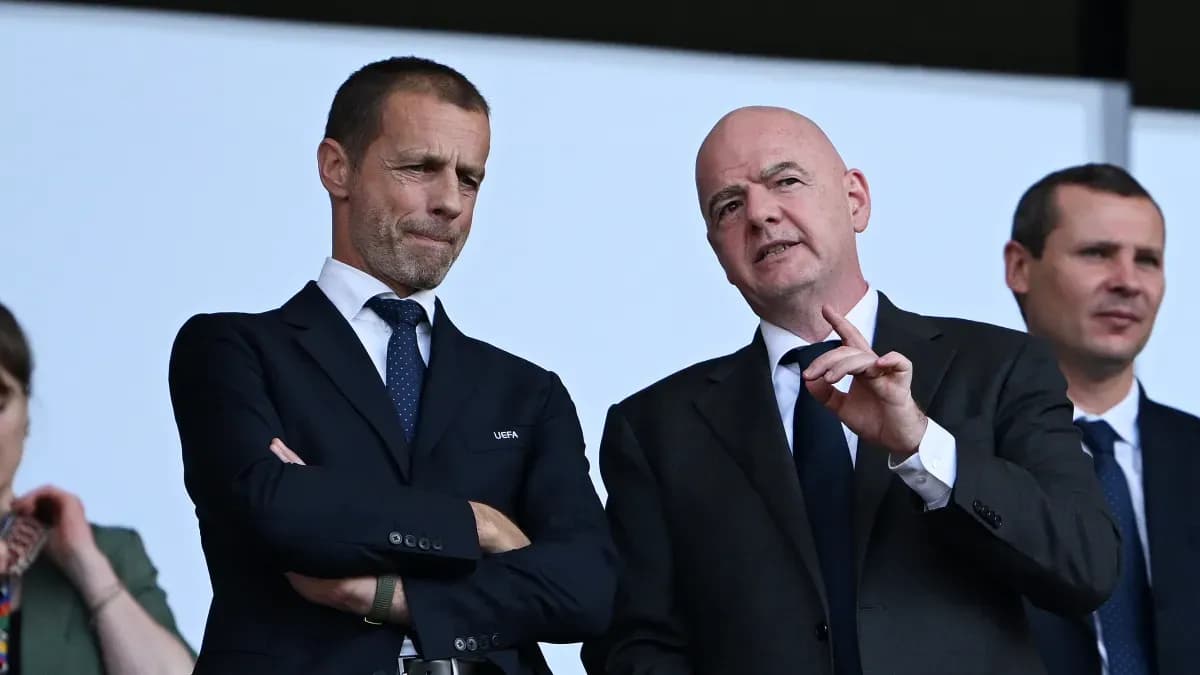
Why UEFA Is Leading the Opposition Against Gianni Infantino's FIFA Presidency
Rising Tensions Between FIFA and UEFA
Over the past ten years, conflicts between the global football authority FIFA and its European counterpart UEFA have steadily increased. The friction has intensified following the collapse of Gianni Infantino's FIFA Forward Enterprise (FFE) initiative, bringing hostilities to a near breaking point.
The root of their disagreements stems from competing priorities and ambitions. Leaders from both organizations, namely FIFA president Gianni Infantino and UEFA president Aleksander Ceferin, have found themselves in frequent opposition, escalating tensions worldwide.
UEFA Pushes Members to Withdraw Support for Infantino
After the failure of the FFE plan—which controversially included provisions to sell parts of the World Cup to private investors—UEFA called on its member associations to formally retract their backing of Infantino. Wales was the first to take this step, with England and most other European nations expected to follow.
There are also signs UEFA may pursue legal action against Infantino related to the FFE scheme. Reports indicate UEFA has sent a document preservation request to FIFA, demanding no destruction of records linked to the matter in anticipation of potential lawsuits.
Why UEFA Is Taking the Lead
UEFA has long opposed FIFA’s direction, especially as football has become increasingly lucrative. FIFA’s primary focus remains the World Cup, which is the sport's biggest financial event globally. Conversely, UEFA prioritizes club football, with its Champions League and major European domestic leagues generating vast revenues.
This difference creates ongoing clashes, especially over calendar scheduling. A notable example was FIFA’s decision to hold the 2022 World Cup in winter to avoid Qatar’s extreme summer heat—a move that disrupted UEFA’s club schedules and upset many stakeholders.
Another tension point is the voting system within FIFA, where each member nation holds one vote regardless of its footballing weight or influence. This setup favors smaller, less powerful countries, often putting Europe's larger football powers at odds with FIFA leadership who rely on votes from African and Asian members to push through policies. The FFE’s promised financial benefits appealed strongly to these smaller nations, while Europeans felt sidelined.
A Timeline of UEFA-FIFA Disputes
- 2018 SoftBank Deal: Infantino sought a $25 billion partnership with SoftBank tied to Saudi Arabia to fund new competitions including a revamped Club World Cup. UEFA opposed the expansion, calling it a "highly cynical and ruthless mercantilism."
- World Cup Expansion: UEFA resisted FIFA’s plan to switch to a biennial World Cup schedule, arguing it would dilute the tournament’s prestige and lead to more randomness in results.
- Folarin Balogun Red Card Reversal: UEFA criticized FIFA for overturning Balogun’s red card at the 2026 World Cup after pressure from U.S. President Donald Trump, accusing Infantino of compromising competition integrity.
- Infantino’s Political Ties: Traditionally neutral, FIFA’s statutes forbid government interference. Yet Infantino’s close relationships with world leaders, including a delayed FIFA council meeting due to a meeting with Trump, sparked protest from UEFA’s Ceferin, who walked out in May 2025.
Summary of Key Conflicts
- SoftBank deal funding: $25 billion proposed investment into global football events.
- Club World Cup funding: $3 billion allocated for revamp efforts under the SoftBank deal.
- World Cup frequency debate: Proposed shift from every four years to every two years.
- 2026 World Cup incident: Red card reversal involving player Folarin Balogun amid political lobbying.
- UEFA’s stance: Calls for legal scrutiny and withdrawal of support for Infantino.