Chaos in the Air: Uruguay’s World Cup Start Hits a Snag
On the eve of their World Cup debut, Uruguay found themselves grounded – literally.
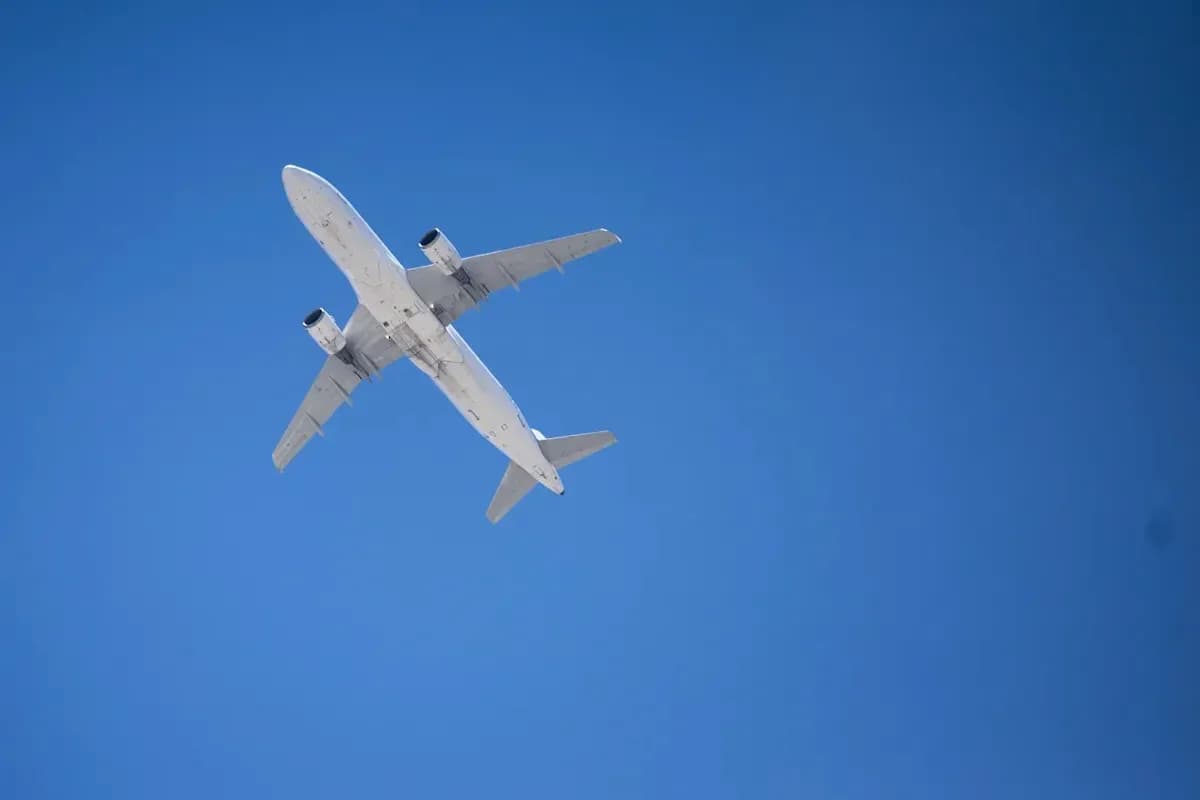
Less than 24 hours before their opener, La Celeste’s carefully laid plans were ripped up on the tarmac when their flight from Cancún to Miami failed to take off. The team remained stuck at their base in Playa del Carmen, Mexico, watching the clock and their ideal preparation slip away.
What should have been a routine hop became an administrative mess. According to reports, the necessary permits for the overland flight had not been arranged in time. Fingers were pointed almost immediately.
The Uruguayan Football Association (AUF) confirmed to The Guardian that the problem did not stem from Montevideo. A spokesperson was clear: "Due to issues beyond the AUF’s control, the departure from Mexico was delayed." Behind the scenes, AUF officials spent several tense hours trying to salvage the situation and secure an alternative flight.
FIFA, though, saw it differently. Speaking to ESPN, the governing body shifted responsibility away from Zurich and onto the carrier. The airline, FIFA said, had apologized for the inconvenience, while FIFA itself had remained in "close contact" with Uruguay’s national team and worked with the airport and other partners to resolve the issue as fast as possible.
Blame game in full swing. Players still on the ground.
For Marcelo Bielsa’s side, the timing could hardly have been worse. On the brink of a World Cup opener against Saudi Arabia, the rhythm of preparation matters: sleep cycles, meals, tactical meetings, media duties. All of it suddenly scrambled.
The scheduled press conference with Bielsa and captain José María Giménez was scrapped. No final public word from the coach, no last message from the dressing room. Just silence, delay, and waiting in a hotel that was supposed to be yesterday’s stop, not today’s base.
Bielsa, characteristically, tried to shrink the drama. He insisted the disruption "did not cause a problem," a line that fits his long-held belief that excuses don’t win games.
Giménez, though, allowed a little more of the reality to show through. "We had a few complications and it was difficult," the defender admitted. The squad, he said, had done what they could: rest, recover, and make the best of an awkward, energy-sapping pause.
Eventually, a replacement flight was arranged and Uruguay did get out, albeit hours later than planned. The damage, if any, will only be measured when they walk out for that first game.
For a team built on intensity, detail, and Bielsa’s meticulous planning, this World Cup has started with something he can’t coach: turbulence.