Vinicius Faces Pressure After Real Madrid's European Exit
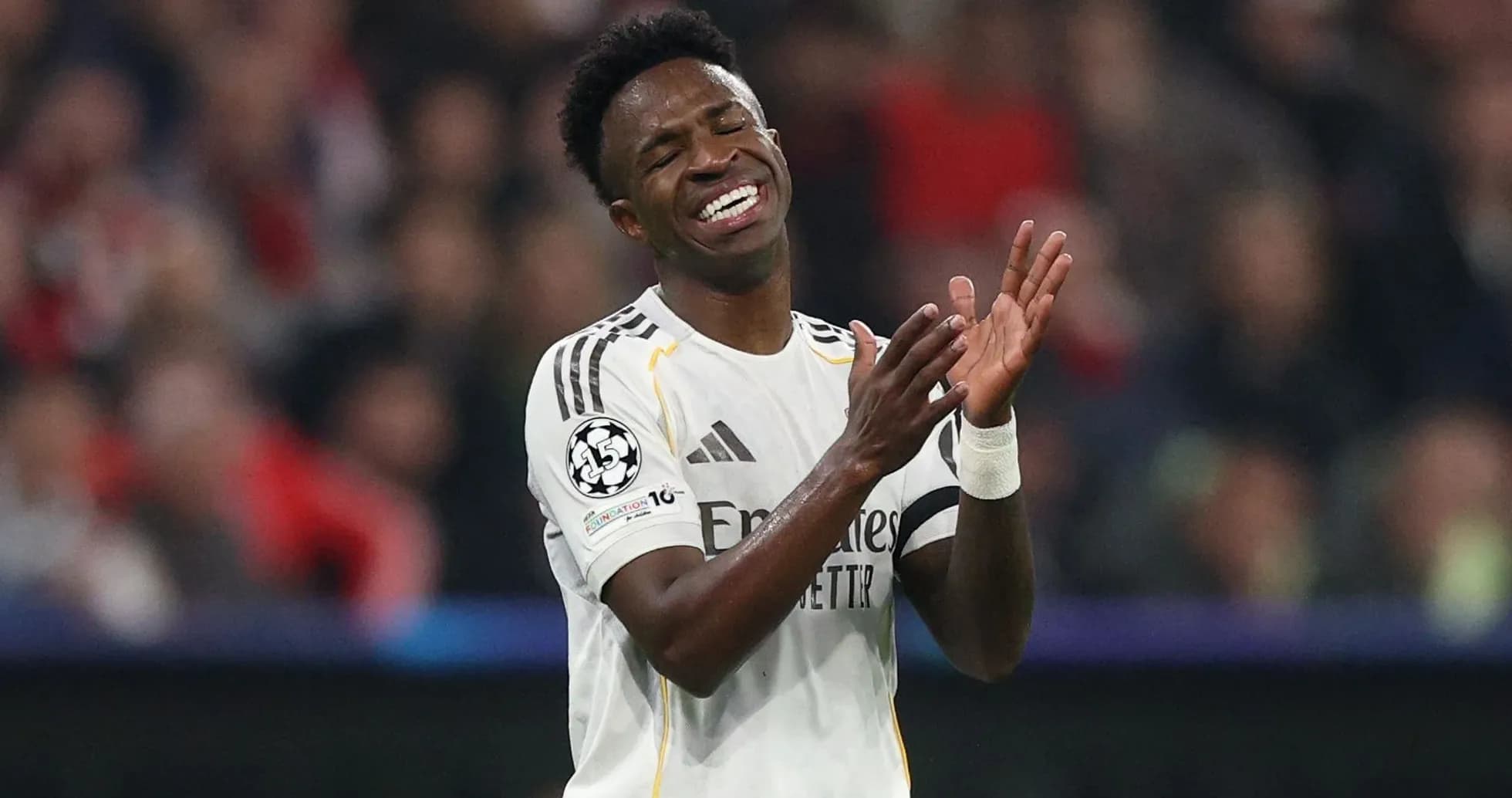
In the bowels of a German stadium, long after the noise had died and the damage was done, one of Real Madrid’s biggest stars was still there, waiting.
The 15-time European champions had just been knocked out in a 4-3 defeat that sealed a 6-4 aggregate exit. A chaotic, bruising night. While the rest of the squad trudged onto the team bus and began the quiet journey to the airport, Vinicius stayed behind, summoned for a random anti-doping test after playing the full match.
The test took longer than anyone at Madrid would have liked. Timetables tightened, airport slots loomed, and the club’s logistics team made a call: the main bus would leave without him. Vinicius, one of the faces of the club, would follow later by car.
It looked unusual. A star left behind after a European elimination. But this is how the sport now works. Once a player is notified for control, there is no shortcut, no fast-track exit for the elite. FIFA’s anti-doping rules leave no room for negotiation.
Those regulations are unforgiving by design. Any player found to have used performance-enhancing substances can face a ban that stretches from several months to the end of a career. When authorities conclude that doping was intentional and aimed at gaining an unfair advantage, the standard punishment is a four-year suspension. Even when use is judged unintentional, the sanction can still reach two years away from all football activity.
The scope of the rules goes well beyond what shows up in a test tube. An athlete does not need a positive sample to see their career torn apart. Failing to obey a doping officer’s instructions, refusing to submit to control, or not providing accurate whereabouts information can all trigger bans. The system is built to close every possible escape route.
FIFA also pursues those who sit behind the scenes. Trafficking prohibited substances or encouraging others to break the rules brings some of the harshest penalties the sport can impose. Administrative interference, cover-ups, or any attempt to manipulate the process often end with lifetime exclusions. The message is clear: the integrity of competition is non-negotiable.
For Vinicius, this episode ends not with controversy but with a different kind of pressure. The focus now swings back to Spain, to La Liga, and to a title race that is slipping away from Madrid.
Next Tuesday, Deportivo Alaves arrive at the Bernabéu. Seven league games remain. The gap to leaders Barcelona stands at nine points. The margin for error is almost gone.
In that context, the Brazilian’s role grows even heavier. His ability to drag Madrid forward, to turn frustration into urgency and urgency into goals, will define what is left of their domestic season. After the disappointment in Munich, there is no European safety net, no second chance.
For a club built on trophies, the equation is brutal. Either Vinicius helps spark a late surge in La Liga, or Real Madrid stare at the one outcome they never accept: a season without silverware.