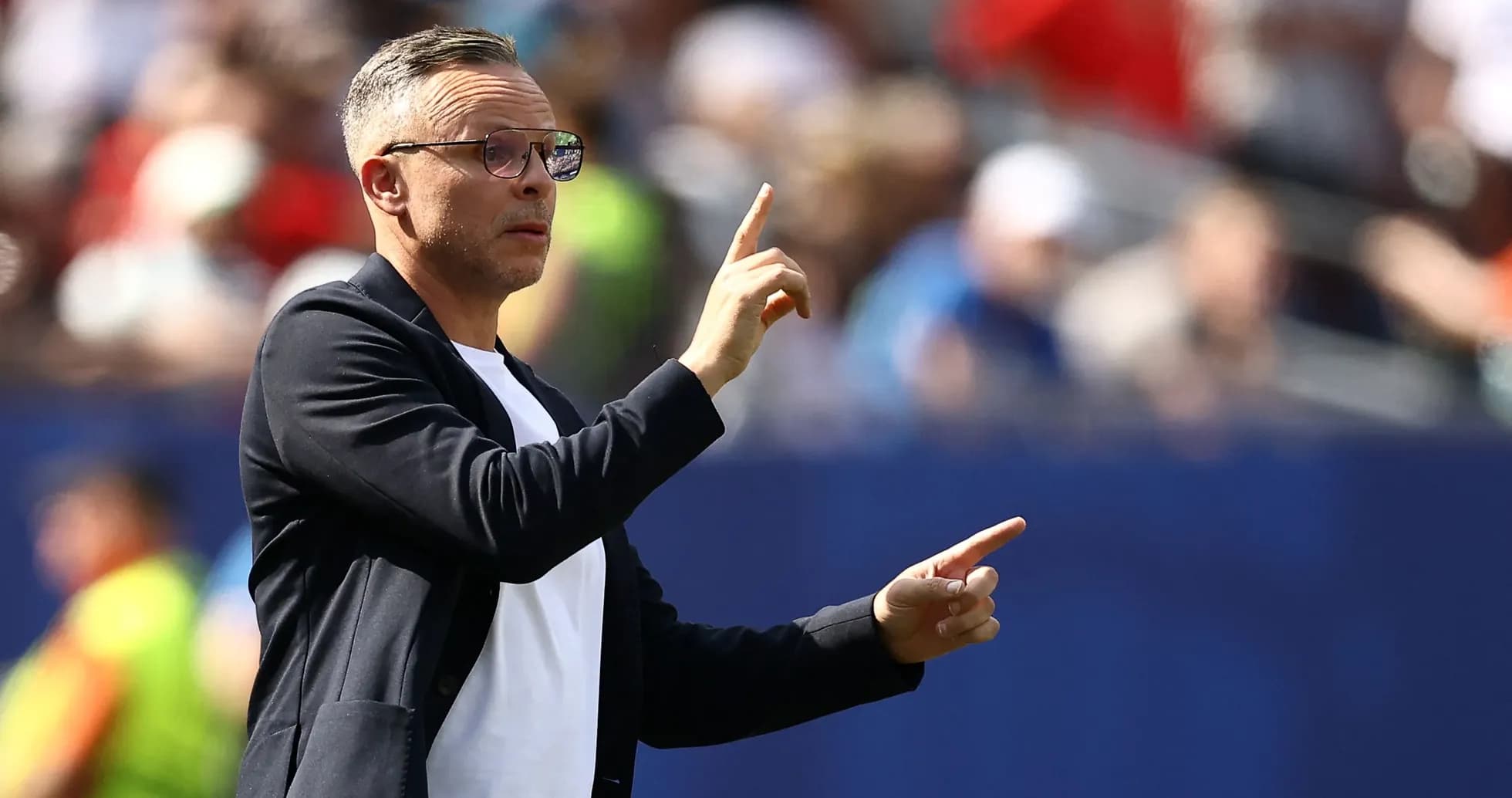
Wahbi Restructures Morocco's Squad After World Cup Exit
The dust has barely settled on Morocco’s 2026 World Cup campaign, but Mohamed Wahbi is already swinging the axe.
The Atlas Lions’ head coach, confirmed in his job by the Royal Moroccan Football Federation despite a quarter-final exit, has started a ruthless reassessment of his squad. The message is clear: loyalty has limits, and the next cycle will not be built on sentiment.
Morocco’s run in the expanded tournament across the United States, Canada and Mexico ended with a 2–0 defeat to France in the last eight. It was a respectable finish, but not enough to convince Wahbi that the group which carried him there can carry him further.
He wants more. More variety. More impact from the bench. More competition for places.
And some big names are paying the price.
Six World Cup Players Set for the Chop
According to Moroccan outlet Sport7, Wahbi has already decided to leave six World Cup squad members out of his next list, which will be announced for the September international break.
- Ayoub El Kaabi
- Sofyan Amrabat
- Amine Sbai
- Youssef Belammari
- Marwan Saadane
- Goalkeeper Munir Mohamedi
For players who have worn the shirt on the biggest stage, it is a brutal reality check. For Wahbi, it is a necessary reset.
The same report indicates that the cull may not stop there. Names such as Halhal and Amimoni are also under threat as the coach pushes ahead with what amounts to a structural overhaul of his squad.
This is not a tweak. It is a clear break from the group that went to North America.
Fresh Blood, New Ideas
Wahbi’s response to the World Cup is not to retreat into caution but to double down on change. He is preparing to call up a raft of new faces for the international camp scheduled at the end of September, using that window as a live laboratory for his next project.
He wants different profiles. He wants new tactical solutions. Above all, he wants a Morocco side that can change games from the bench rather than simply endure them.
The quarter-final run showed the team’s resilience and organisation. It also exposed the limits of a squad short on alternative weapons when the margins narrowed and the pressure rose.
Wahbi has read that lesson and acted on it.
The World Cup cycle is over. The coach stays, the core identity remains, but the cast around it is about to change. The question now is not who Morocco were in 2026, but what kind of team they are willing to become before the next major test arrives.