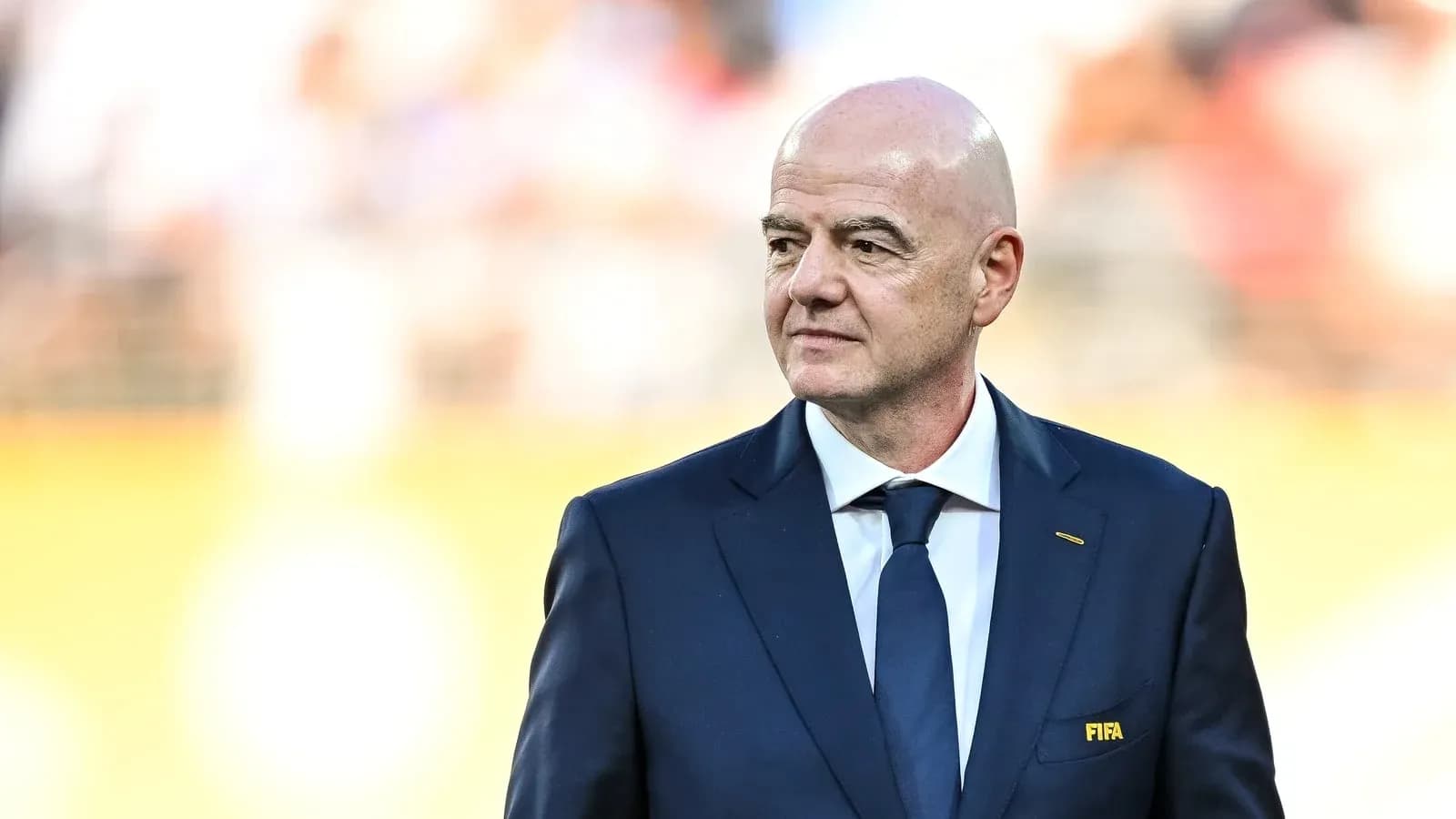
Wales Withdraws Support for Infantino: FIFA Leadership in Question
The Football Association of Wales has delivered a stinging rebuke to Gianni Infantino, withdrawing its backing for his re-election as FIFA president and publicly questioning his fitness to lead the global game.
In a sharply worded statement, the FAW confirmed it will no longer support Infantino’s candidature for the 2027–2031 term, citing what it called “recent failures in good governance, processes, leadership, values, stakeholder management, communications and sound judgement.”
For a long-serving FIFA president who has grown used to near-automatic support from member associations, this is no minor tremor. It is a crack in the façade.
World Cup stake plan backfires
The rupture stems from Infantino’s ill-fated attempt to sell off stakes in the World Cup to private investors, a move that triggered fierce opposition across the sport. The proposal, widely condemned, was rejected by three confederations and framed by critics as a dangerous step toward financialising football’s crown jewel.
Under mounting pressure, Infantino announced last week that he was shelving the plan. The retreat came quickly. The questions did not.
His decade-long reign at the head of FIFA is now under sharper scrutiny than at any point since he took office. The World Cup investment idea did not just fail; it exposed deep concern over how decisions at the top of FIFA are being conceived and driven.
Wales draws a line
The FAW has become the first national association to formally walk away from Infantino’s re-election bid. That distinction matters. Someone had to be first.
“The Football Association of Wales hereby confirms its withdrawal of support for the candidature of Mr Gianni Infantino, for re-election as FIFA president for the 2027–2031 term,” the statement read.
The governing body went further, making clear this was about trust as much as policy.
“The recent failures in good governance, processes, leadership, values, stakeholder management, communications and sound judgement have led us to a position where Mr Infantino has lost the confidence of the FAW to remain at the helm of world football.
“Failing to put the best interests of football first is a failure we cannot accept.”
Those are not the words of an organisation hedging its bets. They are the words of a member association drawing a hard line on what it believes FIFA should stand for.
Pressure building ahead of March vote
Infantino is due to stand for re-election in March next year. Until now, his grip on power has looked firm, bolstered by strong backing from many federations and a voting system that traditionally favours incumbents.
This move from Wales does not topple him. It does something else: it signals that his leadership is no longer beyond challenge.
Other associations will now face a choice. Stay silent, or step forward. Back the president, or question the direction in which he is taking the world game.
For FIFA, the World Cup remains the golden asset. For the FAW, the attempt to part-privatise that asset has become a line in the sand.
If one national association is prepared to say Infantino has “lost the confidence” to remain at the helm, how many more are thinking the same, and how many will be willing to say it before the ballots are cast next March?